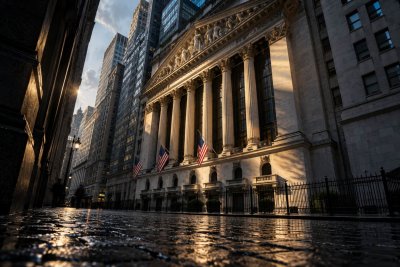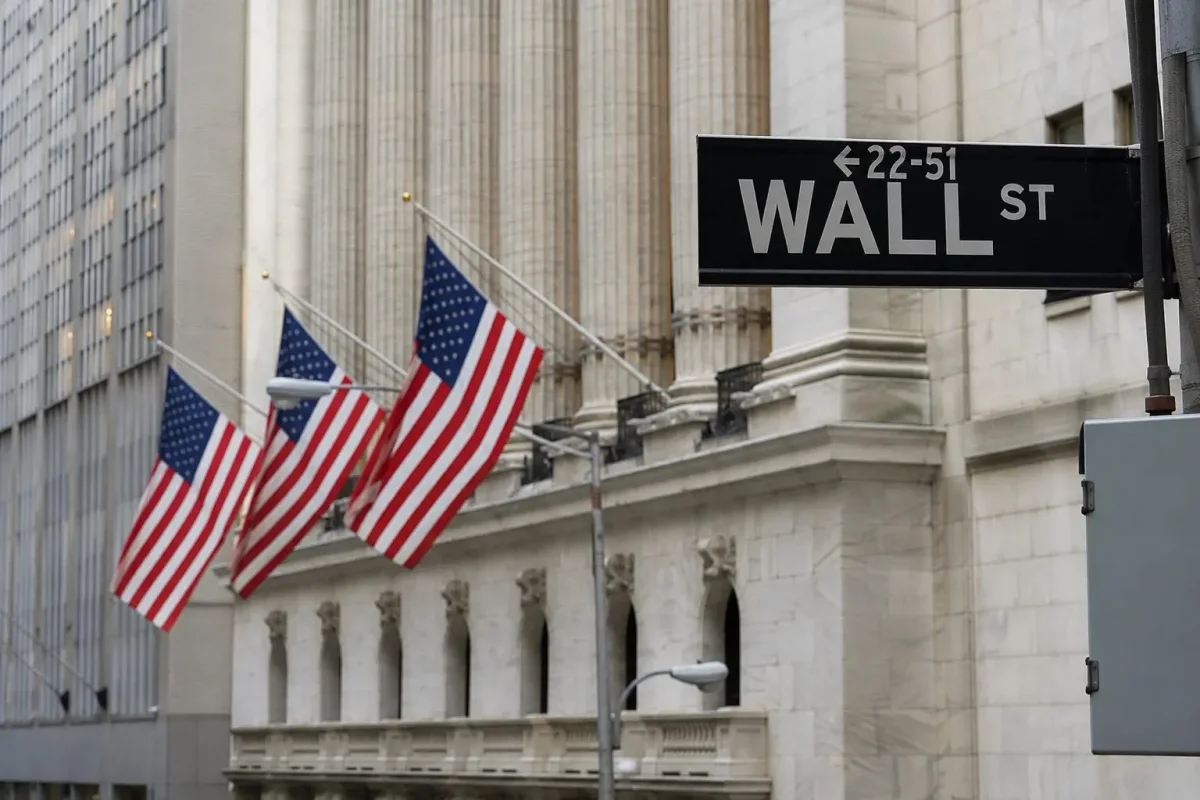
Wall Street closed lower on Monday, July 20, 2026, as a rebound in chip stocks proved insufficient to reverse broader market weakness. The S&P 500 slipped 0.19% to 7,443.40, while the Dow Jones Industrial Average dropped 0.59% and the Nasdaq Composite edged just 0.05% lower. In contrast, the PHLX Semiconductor Index (SOX) managed a 0.60% gain, but the advance recouped only 2.4% of the index's peak-to-Friday decline, according to closing data.
The semiconductor index remains roughly 19.7% below its all-time high set on June 22, 2026. After closing Friday 20.2% off that peak and posting a loss of over 18% in July, the sector's modest Monday bounce underscores persistent headwinds. Despite the recent pullback, chip stocks are still up nearly 65% year-to-date in 2026, far outpacing the S&P 500's approximate 9% gain over the same period.
"We're seeing a bit of a turnaround in some of these semiconductor stocks that were under pressure," said Peter Cardillo, chief market economist at Spartan Capital Securities. However, the rally gave back roughly 60% of its intraday gains by the close, suggesting cautious sentiment.
Shares of Advanced Micro Devices (NASDAQ:AMD) rose following news of deepened collaboration with Microsoft (NASDAQ:MSFT). Microsoft plans to deploy AMD's Helios rack system on its Azure cloud platform, with shipments expected to begin in the second half of 2026. Microsoft CEO Satya Nadella described the platform as providing "performance, scale and choice." While this deal secures AMD a named hyperscale client, it does not resolve ongoing debates over the industry's valuation.
Investors are now looking ahead to key earnings reports. Alphabet (NASDAQ:GOOGL) is scheduled to release results on Wednesday at 4:30 p.m. EDT, followed by Intel (NASDAQ:INTC) after Thursday's market close. According to LSEG consensus forecasts, S&P 500 earnings are expected to rise 26% year-over-year, up from a prior estimate of 23.7%. This heightened expectation leaves companies with less room for conservative AI investment strategies.
Kevin Mahn, chief investment officer at Hennion & Walsh, warned that any reduction in Alphabet's spending could trigger "ripple effects across the entire AI ecosystem." The technology sector remains highly sensitive to capital expenditure plans, particularly in artificial intelligence.
Macro headwinds also resurfaced. Brent crude oil settled at $89.22 per barrel, up 1.3%, while the yield on the 10-year U.S. Treasury note rose to 4.60% from 4.55% on Friday. The combination of rising yields and higher oil prices increases discount rates applied to growth stocks, raising the bar for profits needed to justify elevated valuations.
The risks are balanced. A drop in oil prices or robust earnings could extend the rebound. Conversely, rising yields, increased geopolitical tensions in the Gulf, or weaker-than-expected AI spending may trigger renewed selling. Monday's session provided a rebound but not definitive confirmation. Sustained improvement requires chip stocks to continue advancing, supporting the Nasdaq and broadening beyond select AI-related names.