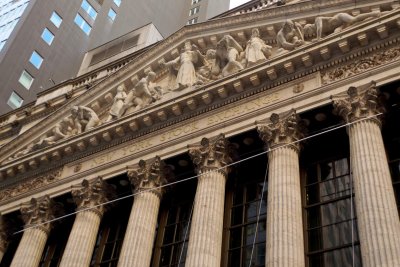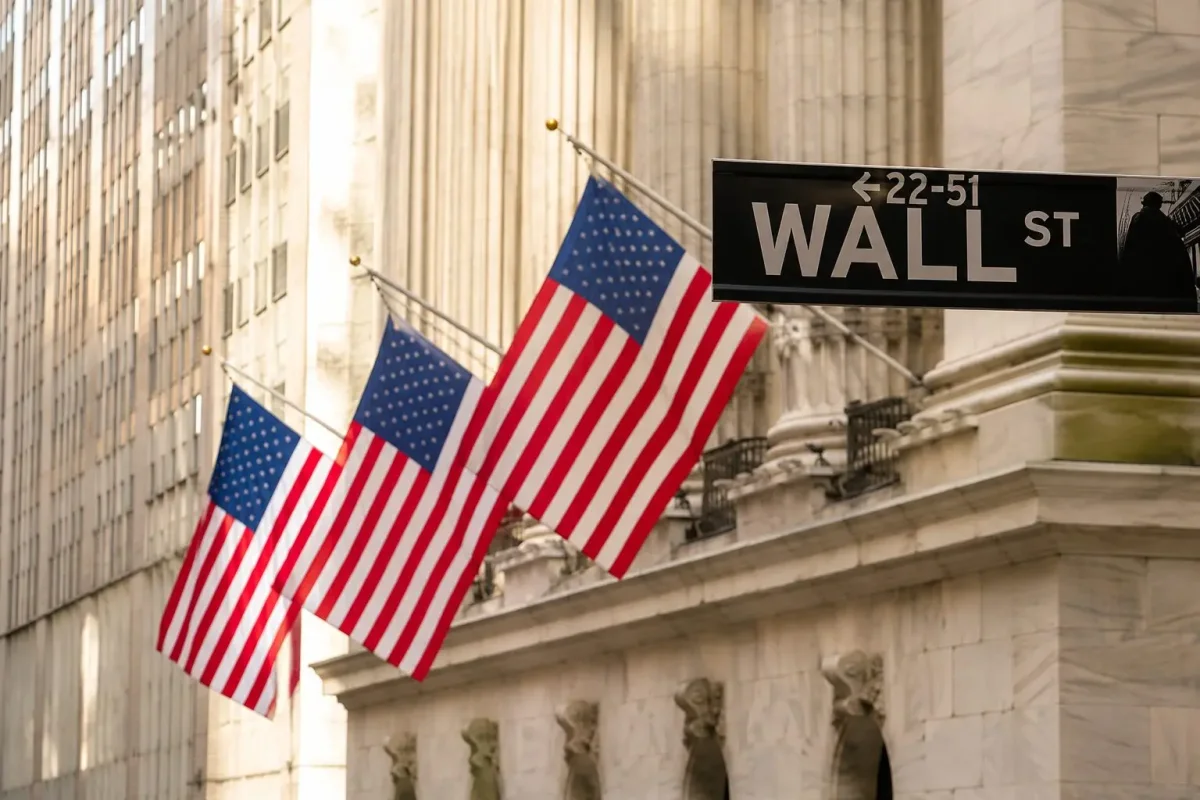
U.S. equity markets observed a full closure on Friday, June 19, 2026, in recognition of Juneteenth National Independence Day, following a session that saw the S&P 500 settle at a record high of 7,500.58. The benchmark index gained 1.08% on Thursday, while the Nasdaq Composite surged 1.91% and the Dow Jones Industrial Average added 0.14%. This pause gives Wall Street time to digest a chip-led rally that briefly steadied the market after a midweek Federal Reserve policy jolt.
The rally's twin engines are not fully aligned. On one side, robust artificial-intelligence demand continues to funnel capital into semiconductor and infrastructure names. On the other, the Federal Reserve has reintroduced the prospect of rising borrowing costs, creating a tension that will greet traders when cash trading resumes. The Fed held its target rate range at 3.5% to 3.75% in a unanimous 12-0 vote, noting that inflation remains elevated relative to its 2% goal. Karl Schamotta, chief market strategist at Corpay, described the decision as "short, but not sweet," emphasizing that the committee turned "sharply hawkish" after lifting inflation projections and penciling in a rate hike for this year.
Thursday's bounce was notably shaped by the Philadelphia semiconductor index, which jumped 6.4%. Intel Corporation (INTC) surged 10.6% following news that President Donald Trump announced Apple Inc. (AAPL) would collaborate with Intel on U.S. chip design and manufacturing. Technology led all S&P 500 sectors, while Accenture plc (ACN) slid 18% after trimming the top end of its annual revenue forecast, dragging peers Cognizant Technology Solutions Corp. (CTSH), Gartner Inc. (IT), and International Business Machines Corp. (IBM) lower. Tony Welch, chief investment officer at SignatureFD, noted that markets had been spooked by Fed Chair Kevin Warsh "promising to contain inflation," but added that the broader data package remained supportive. The session also featured "triple witching," the quarterly expiration of stock and index derivatives that can amplify volume and volatility.
The holiday finish may not hold through the weekend. Global shares dipped on Friday after U.S. and Iranian negotiators called off peace talks, while U.S. stock futures slipped 0.1% to 0.2% and the dollar hovered near a 13-month high. If oil prices spike again or short-term Treasury yields climb, the Nasdaq's strongest names could be the first area where traders reduce risk. Crude oil provided some temporary relief, with Brent falling to about $79 a barrel and heading for a weekly drop of 9.5% after Israel and Hezbollah agreed to a ceasefire. However, Tamas Varga, analyst at PVM Oil Associates, warned that the path to a full reopening of Strait of Hormuz flows remains "rocky." City Index and FOREX.com analyst Fawad Razaqzada sees limited further downside because depleted reserves need replenishment.
Money flows indicate that investors have not abandoned equities. LSEG Lipper data showed $55.22 billion flowed into global equity funds in the week ending June 17, the largest weekly purchase since November 2024. U.S. equity funds absorbed $38.37 billion, with technology funds drawing a record $21.46 billion. This provides fuel for a rally, but also signals a crowding risk: when the same AI trade carries the tape, one weak earnings print can travel fast.
The next major test is Micron Technology Inc. (MU) earnings, scheduled for Wednesday, June 24. The stock has surged 298% this year, and investors will scrutinize whether memory-chip demand and data-center spending still justify the move. Andy Pratt at Burney Company believes the AI trend still has "a lot of juice," while Steve Kolano at Integrated Partners calls it the market's "only game in town." Also due next week are the Fed's preferred inflation measure and the final reading of first-quarter GDP. Drew Matus at MetLife Investment Management cautioned that investors are watching for any hit to the stock-market wealth effect.
The New York Stock Exchange lists Juneteenth National Independence Day as a 2026 holiday, with regular core trading hours from 9:30 a.m. to 4 p.m. Eastern on other days. This was a full market closure, not a shortened session. As traders look ahead, the interplay between AI-driven optimism and hawkish Fed signals will remain the central narrative shaping market direction.