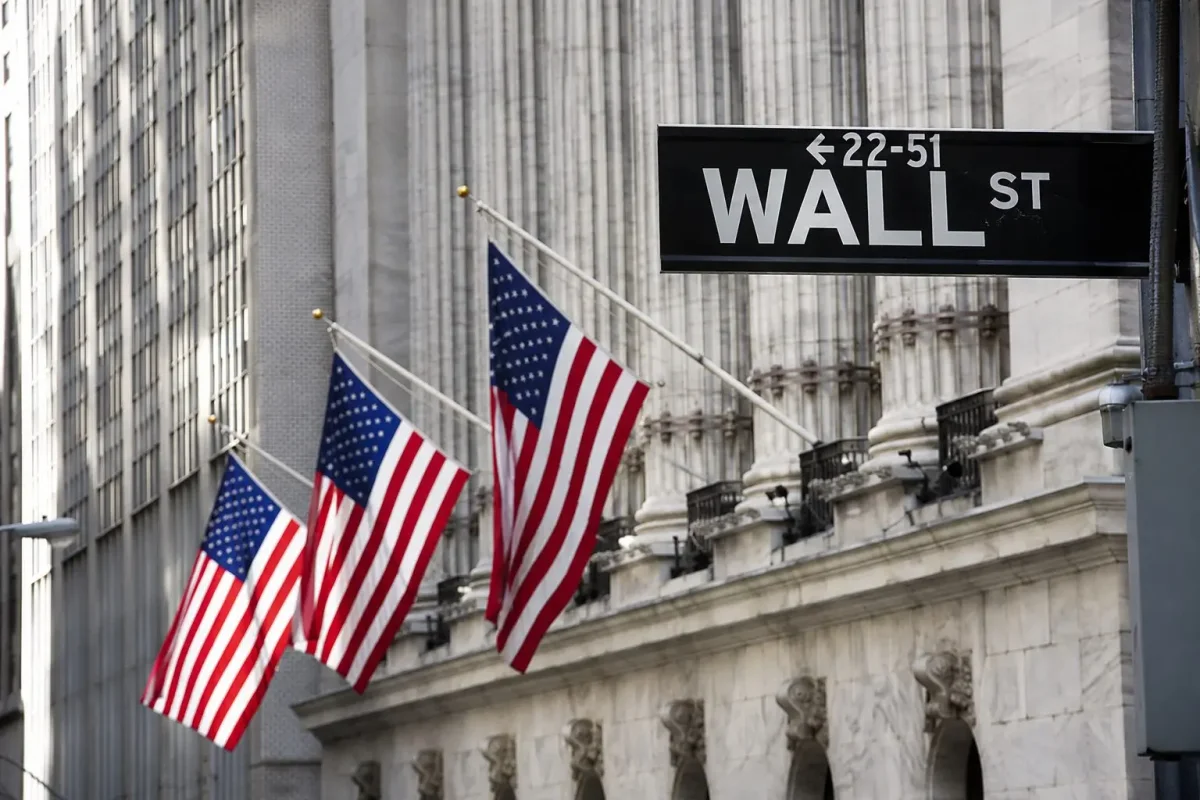
Wall Street staged a powerful rally on Thursday, delivering its most robust performance in months as a resurgence in technology shares and a de-escalation of geopolitical tensions fueled broad-based gains. The Dow Jones Industrial Average surged 929.97 points, or 1.86%, to close at 50,848.75. The S&P 500 advanced 127.31 points, or 1.75%, to 7,394.30, while the Nasdaq Composite jumped 640.16 points, or 2.54%, to finish at 25,809.66.
The rally extended into after-hours trading, with major ETFs maintaining their upward momentum. The SPDR S&P 500 ETF (SPY) added 0.24% to $739.52, the Invesco QQQ Trust (QQQ) rose 0.31% to $719.34, and the SPDR Dow Jones Industrial Average ETF (DIA) gained 0.18% to $510.29. The iShares Russell 2000 ETF (IWM) also climbed 0.33% to $291.36, according to Investing.com's after-market data.
Technology and Semiconductor Surge
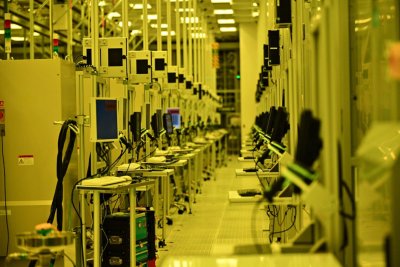
Technology stocks were at the forefront of the rally, with the PHLX Semiconductor Index skyrocketing 7.9%, marking its best single-day performance since April 2025. Chipmakers led the charge, with Nvidia (NVDA) trading at $206.01 in after-hours, up 0.56%. Intel (INTC) closed 1.17% higher at $118.33, while Microsoft (MSFT) rose 0.62% to $392.77. Meta Platforms (META) climbed 0.77% to $572.80, and Advanced Micro Devices (AMD) picked up 0.56% to $491.20. Broadcom (AVGO) saw heavy after-hours activity but edged down 0.07% to $385.30.
The tech rebound came after a recent selloff in artificial intelligence and tech stocks, which had dragged the market lower. Robert Phipps, director at Per Stirling Capital Management, characterized the rally as a relief move and a technical bounce. “Just as we had gone up too far, too fast, we came down too far, too fast,” Phipps told Reuters, noting that Thursday’s surge appeared to be a combination of relief and technical factors.
Geopolitical Factors and Commodities
Adding to the positive sentiment was news that former President Donald Trump called off planned strikes on Iran, which helped push the rally higher. Traders also bet on progress toward reopening shipping lanes in the Strait of Hormuz. The easing of geopolitical tensions had a direct impact on oil prices, with U.S. crude dropping 2.6% to $87.71 per barrel and Brent crude falling 2.9% to $90.38. The decline in oil prices helped cool some inflation fears, as lower energy costs could ease pressure on consumer prices.
On the economic front, investors continued to monitor inflation data. The U.S. Producer Price Index (PPI) rose 1.1% in May and climbed 6.5% year-over-year, according to the Bureau of Labor Statistics. Final-demand goods increased 2.8%, with energy prices surging 10.7%. Meanwhile, initial jobless claims rose by 4,000 to 229,000 for the week ended June 6, suggesting the labor market remained resilient despite higher prices.
Adobe Falls on CFO Departure
In corporate news, Adobe (ADBE) dropped 5.44% to $206.90 in after-hours trading, making it one of the biggest losers on Investing.com’s after-hours board. The decline came after the company announced the departure of CFO Dan Durn, even as it raised its full-year sales and profit targets. Stephanie Link, chief investment strategist at Hightower Advisors, expressed concern about the executive change, calling it “Not what ADBE needs.”
SpaceX IPO on Nasdaq
In a landmark development, SpaceX is set to begin trading on the Nasdaq on Friday following its $75 billion initial public offering. The IPO priced at $135 per share, valuing the company at $1.77 trillion, making it the largest IPO on record. After-hours trading remained active in mega-cap tech, semiconductor stocks, and earnings plays as the Nasdaq’s extended session approached its 8 p.m. ET close.
The strong market performance on Thursday provided a much-needed boost to investor sentiment, with advancing stocks outnumbering decliners by a ratio of about 2.7 to 1 on both the NYSE and Nasdaq. While the rally was broad-based, the tech sector’s resurgence and the easing of geopolitical risks were the primary drivers, setting a positive tone for the final trading day of the week.