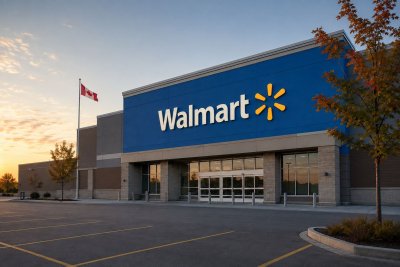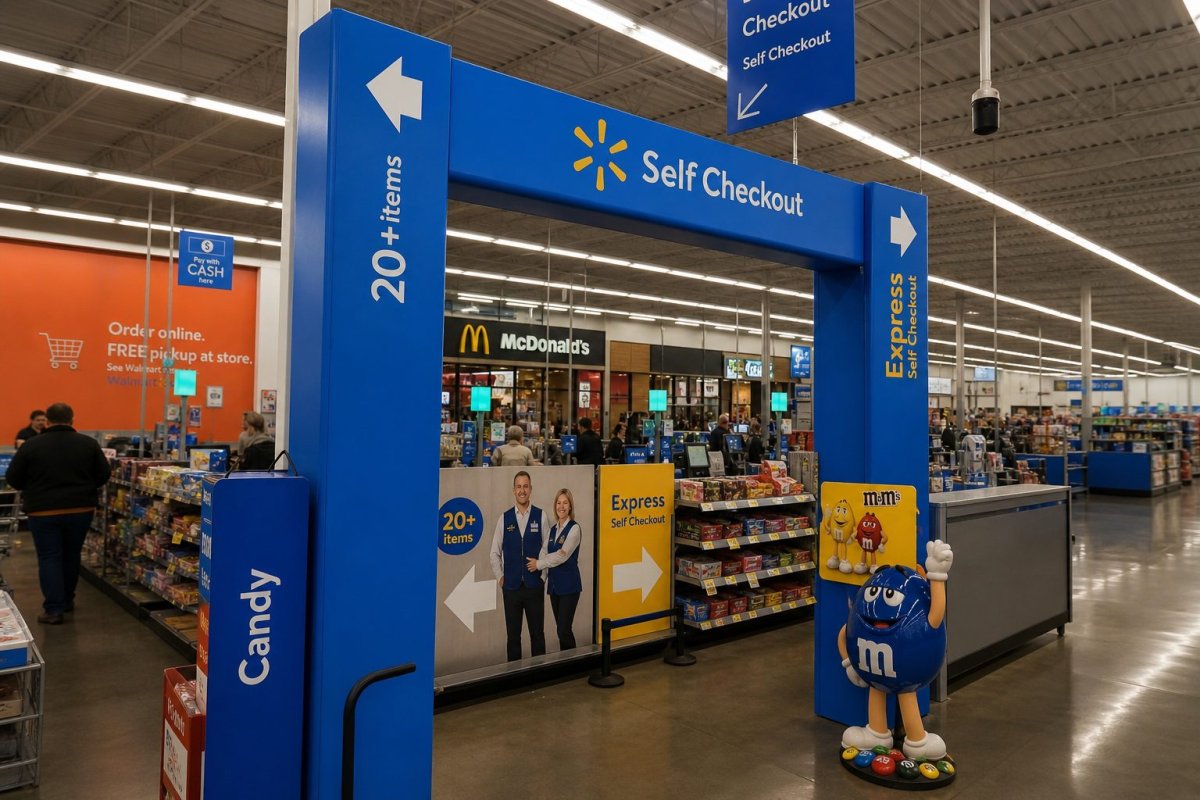
Walmart has quietly rolled back self-checkout for everyday shoppers at its South Philadelphia location, a move that signals a shift in the retailer's approach to checkout as it embarks on a massive store renovation program. The change, which took effect in March, replaces self-scan kiosks with traditional cashier-operated lanes, according to a company spokesperson. Only a handful of self-checkout stations remain, and they are reserved exclusively for Spark delivery drivers.
Context of the Change
The South Philadelphia store, located on Christopher Columbus Boulevard, is the only one of Walmart's five Philadelphia outlets to make this adjustment. The decision was driven by feedback from both associates and customers, as well as local shopping patterns and business needs, the spokesperson said. The goal is to improve checkout efficiency and allow staff to provide more personalized service.
Broader Renovation Plans
This checkout tweak comes at a pivotal time. On April 16, Walmart announced plans to remodel more than 650 Supercenters and Neighborhood Markets, along with roughly 20 new store openings scheduled for 2026 and early 2027. The checkout configuration is now part of a larger revamp that includes digital features such as app-based navigation, Walmart Pay, digital touchpoints, and Scan & Go for Walmart+ subscribers. Instead of abandoning automation, Walmart is focusing on where it makes economic sense.
Industry-Wide Rethinking
Walmart is not alone in reevaluating self-checkout. Retailers initially promoted these kiosks as a quick, low-cost solution for managing traffic, but they have increasingly led to issues such as missed scans, customer frustration, and oversight problems. A December LendingTree survey found that 27% of self-checkout users admitted to deliberately skipping an item, while 36% said they had accidentally left an item unscanned. "High prices have a way of making people more willing to take chances," said Matt Schulz, chief consumer finance analyst at LendingTree.
Target implemented a 10-item limit for its Express Self-Checkout in most of its nearly 2,000 stores, which improved total transaction times by almost 8% for both self-checkout and regular lanes. Dollar General has gone further, removing self-checkout from over 12,000 of its 20,000-plus stores in 2024, with plans to eliminate it from the "vast majority" to reduce inventory losses, known as shrink. Costco has tightened access by requiring a membership card with a photo at self-checkout after discovering nonmembers using others' cards.
Regulatory Pressures
Regulatory scrutiny is also increasing. New York City Councilmember Amanda Farías has proposed a bill that would require one employee per three self-checkout kiosks in select stores and cap transactions at 15 items, with penalties for noncompliance.
Trade-Offs and Customer Satisfaction
Removing self-checkout may solve some problems but could create new ones. Running extra cashier lanes requires sufficient staffing, and shoppers accustomed to quick self-checkout may face longer lines if staffing is not optimized. Yanliu Huang, a marketing professor at Drexel University who co-authored a study on checkout service, noted that shoppers expect service when in a store, and being forced to handle checkout themselves can "reduce their satisfaction."
As Walmart proceeds with its 650-plus store renovations, the checkout decision in Philadelphia serves as a test case for how the retailer balances technology, labor, and customer experience in an evolving retail landscape.