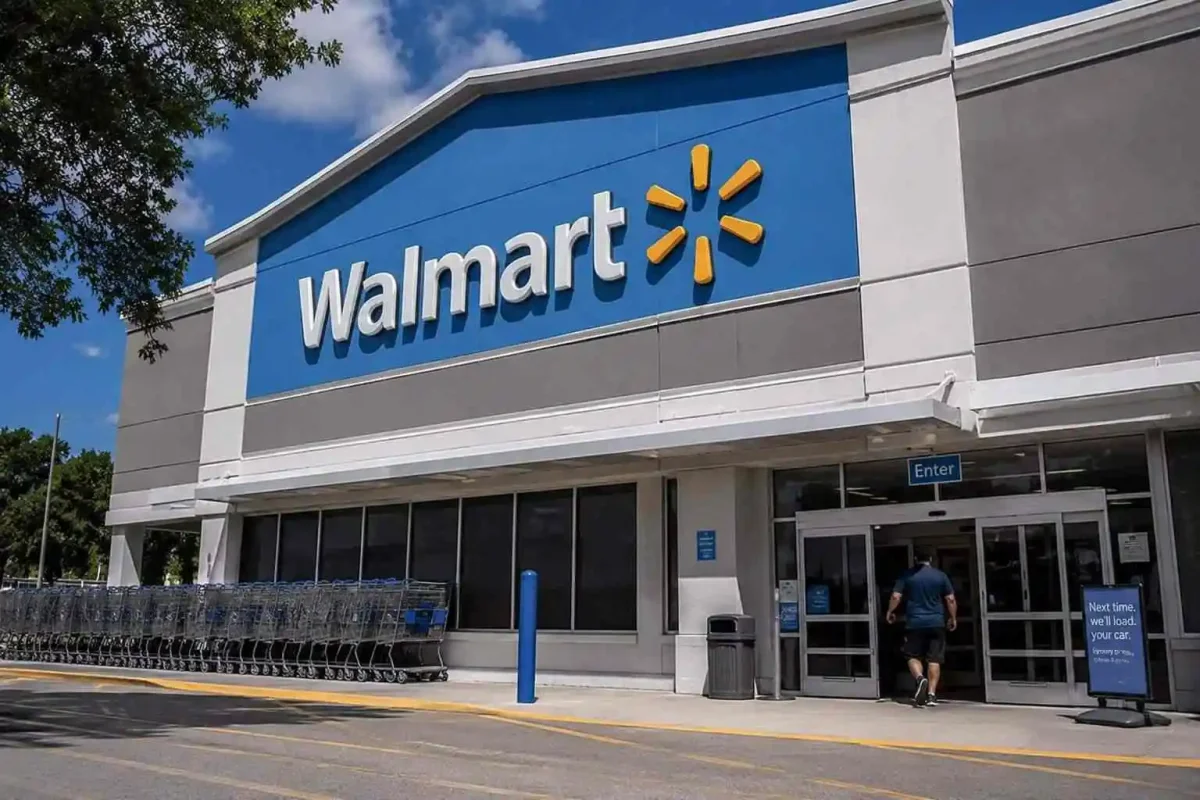
Walmart Inc. (NASDAQ:WMT) closed at $109.47 on Friday, July 26, 2026, gaining 1.0% on the day but suffering a 4.2% decline for the week. The decline widens the valuation gap with key rivals and puts the company's private-label expansion strategy under the spotlight.
Valuation Comparison
Walmart's trailing price-to-earnings ratio stands at 38.4, more than double Target's (NYSE:TGT) 18.1 and about 18% below Costco's (NASDAQ:COST) 47.0. This places Walmart in a middle ground between a conventional mass merchant and a premium retail leader. The weekly drop has narrowed the stock's price but not the execution challenge it faces.
Private-Label Growth
Central to Walmart's strategy is the expansion of its bettergoods private-label line. According to a June note from RBC Capital Markets analyst Nik Modi, the range could approach nearly 1,000 products, up from 300 at its launch in 2024. Walmart has not confirmed this estimate. Modi described private brands as moving "from a defensive tactic to a core growth strategy."
Julie Barber, Walmart's chief merchandising officer, told Reuters that "shopping smart has become a mindset, not a customer segment," indicating that demand for value extends beyond a typical recession trade-down. Walmart U.S. CEO David Guggina noted that bettergoods has attracted new customers, particularly higher-income shoppers, and that upper-income households led first-quarter market-share gains.
Recent Performance
In the first quarter, Walmart reported 4.1% U.S. comparable-sales growth, with e-commerce rising 26% and global advertising revenue climbing 37%. These channels provide additional avenues for the expanded assortment to reach consumers. However, competition is intensifying. Target plans to add 600 private-label food and beverage items over two years, and its owned brands already account for about 30% of sales.
Upcoming Catalysts
Investors will look to Amazon.com (NASDAQ:AMZN), which reports on Thursday, for early retail demand signals. The Federal Reserve meets Tuesday and Wednesday, while U.S. second-quarter GDP and June consumer-spending data are due Thursday. Both could shift household-demand expectations and equity valuations. Walmart's own second-quarter report is scheduled for August 20.
Risks
Risks include a sharper economic slowdown requiring deeper promotions, or a rebound in discretionary spending that could weaken trade-down gains. At 38.4 times earnings, even a modest miss may carry significant weight. Friday's bounce did little to change the broader picture; the weekly decline has narrowed the price but not the execution hurdle Walmart faces.