Atlanta's much-anticipated role as a 2026 FIFA World Cup host city delivered a record number of hotel room bookings, yet the city's lodging market experienced a surprising decline in occupancy during the tournament period. According to data from the Atlanta Convention & Visitors Bureau, the city secured 442,000 hotel room nights between June 13 and July 16, but occupancy fell 4% compared to the same period last year. Despite this, revenue per available room (RevPAR) climbed 11%, driven by higher average daily rates.
The numbers paint a complex picture for hotel investors: while pricing power remained strong, the event did not generate the broad-based surge in room demand that many operators had hoped for. Atlanta drew over 500,000 visitors to its official fan festival and hosted 544,516 attendees at matches in Mercedes-Benz Stadium, yet these crowds did not translate into fuller hotels across the market.
Event Pricing vs. Incremental Demand
A separate analysis by HVS, using CoStar data and a counterfactual baseline, suggests that Atlanta's occupancy ran 2.6 percentage points below what would have been expected without the tournament. The average daily rate was $8.31 higher, but the resulting RevPAR gain was only $1.96—the smallest increase among the 11 U.S. host cities studied. This underscores a critical trend: hotels can lift revenue through higher prices even when selling fewer rooms, but the effect may be limited if demand is simply displaced rather than created.
Across most host cities, the same pattern emerged. Seven of the 11 markets saw occupancy trail the no-tournament baseline, while average daily rates rose in all 11. New York, for instance, achieved a $55.51 RevPAR gain, far exceeding Atlanta's marginal improvement. The study concluded that aggressive pricing likely pushed price-sensitive leisure travelers and some group meetings to alternative dates or locations.
Implications for Hotel Owners
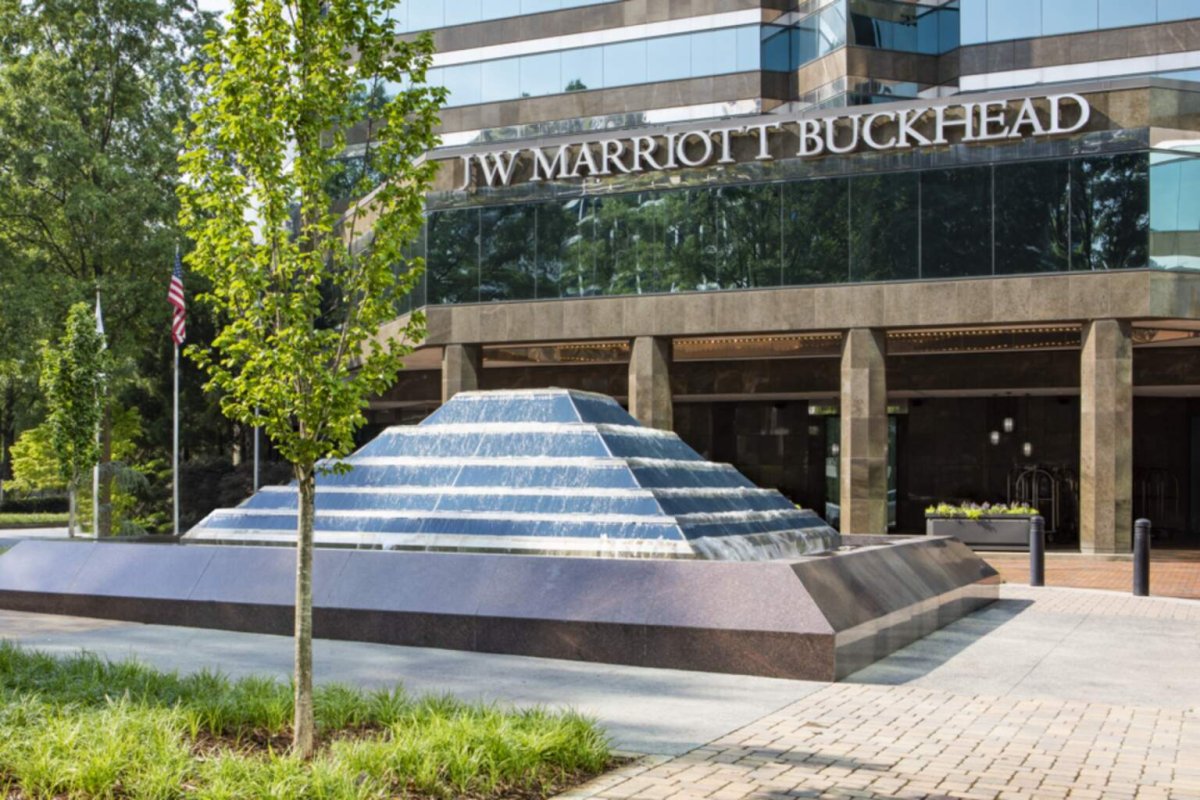
For publicly traded hotel owners, these dynamics are crucial. Host Hotels & Resorts (HST), which owns two Atlanta properties totaling 810 rooms—including the 371-room JW Marriott Atlanta Buckhead—saw its shares trade nearly flat at $22.229, just below the prior close of $22.24. The company's second-quarter report offers a partial glimpse: its Atlanta hotels achieved an average daily rate of $229.73, occupancy of 71.3%, and RevPAR of $163.81 in the quarter ending June 30. RevPAR rose 10.4% year-over-year, though the quarter only covers the early portion of the tournament and focuses on two upper-upscale properties.
These property-level results highlight why exposure matters. A well-located convention hotel can outperform citywide averages, while the broader market includes limited-service and suburban properties that may see less event-driven demand. Brand companies like Marriott (MAR) and Hyatt (H) earn fees from managed or franchised hotels, but Host bears direct property-level operating risk as the real estate owner.
Balancing Pricing Power and Volume
The bullish interpretation is that Atlanta retained pricing power and still lifted RevPAR despite softer occupancy. However, critics argue that a six-week global event should have produced a more substantial RevPAR gain over the estimated baseline. The modest increase suggests that higher rates may have displaced regular leisure and group business rather than adding genuinely incremental demand.
For investors evaluating future mega-events, the key metric should be incremental RevPAR and rooms revenue, not just headline occupancy or booking numbers. Atlanta's 442,000 room nights sound impressive, but the 4% occupancy decline and the smallest modeled RevPAR lift among host cities reveal how little of that activity was truly additive. As the industry prepares for more major events, these lessons will be vital for setting realistic expectations and pricing strategies.