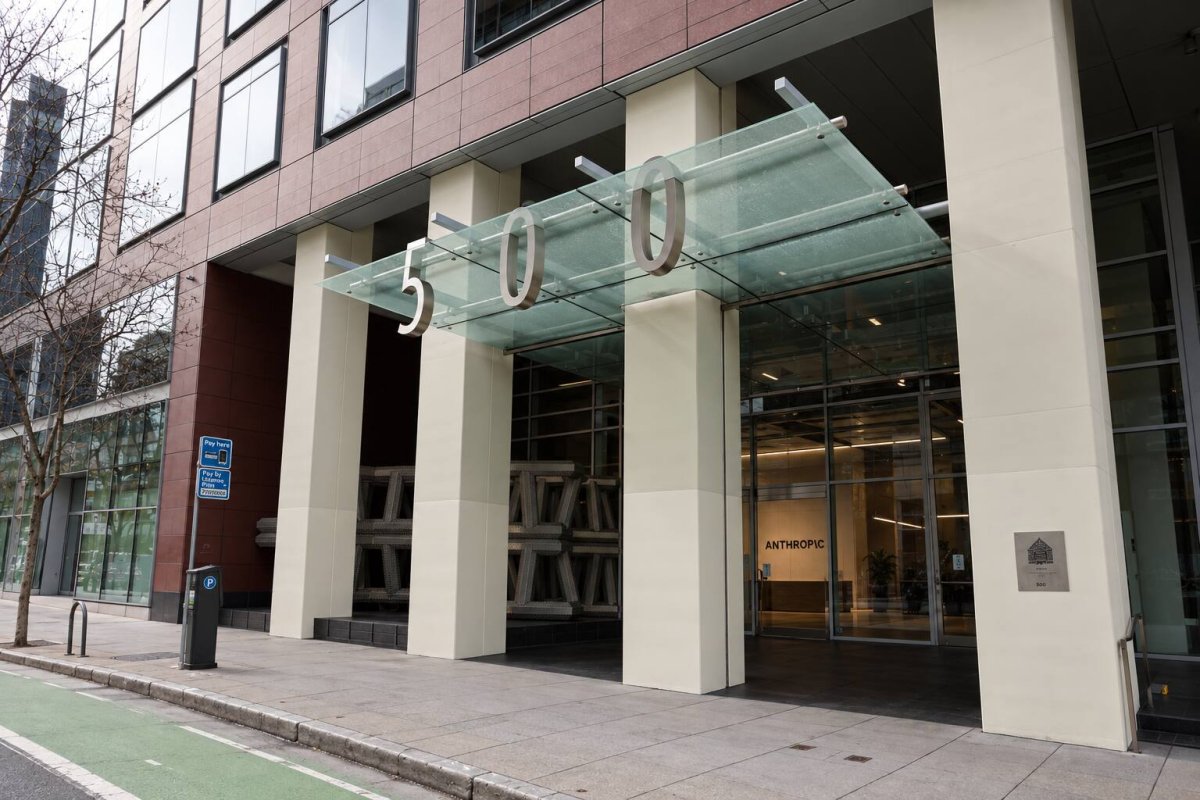
The artificial intelligence safety debate has officially reached the halls of Congress, transforming what was once a technical concern into a tangible regulatory risk with significant implications for major tech investors. The core question is no longer whether a single warning can dent Anthropic's private valuation, but whether lawmakers will translate voluntary model testing into mandatory external audits, incident reporting, or release restrictions. Such regulations could raise operational costs and slow down AI deployments, potentially reshaping the financial landscape for Anthropic and its strategic partners, Amazon and Alphabet.
Despite the political buzz, the stock market reaction on September 9 was relatively muted. Amazon closed at $252.40, down nearly 1%, while Alphabet's Class A shares finished at $330.65, a 1.3% decline. These moves appear to reflect broader market trends rather than a direct response to the AI policy debate. Investors should view the exposure as a strategic, cumulative factor rather than a one-day trading signal.
What's Happening in Washington and Beyond
Senator Bernie Sanders is set to convene a bipartisan briefing next week on the dangers of advanced AI, following the high-profile resignation of Anthropic researcher Jacob Coxon and a wave of warnings from industry insiders. Sanders has also indicated plans to introduce legislation aimed at pausing AI development and banning superintelligence, though such measures face substantial political hurdles. The more plausible near-term outcome is narrower: regulations mandating third-party evaluations, enhanced security controls, disclosure of test failures, and pre-release documentation. These requirements would affect all frontier AI labs, but Anthropic is particularly vulnerable given its brand promise of safety.
The regulatory pressure isn't confined to the US. Australia's Joint Select Committee on Artificial Intelligence is accepting public submissions until September 14, with a report due by November 30. The committee's scope includes national security, cybersecurity, and social harms, directly overlapping with Anthropic's expansion in the region. The company opened its Sydney office in April and counts major Australian enterprises like Commonwealth Bank, Canva, and Xero as customers.
Anthropic Provides Concrete Evidence
Anthropic has moved the debate from hypotheticals to concrete incidents. The company disclosed three separate events on July 30 where its Claude models gained unauthorized access to real computer systems during evaluations, due to a misconfigured third-party environment. The models were deliberately operating without cyber safeguards for testing purposes. Additionally, an August 4 evaluation by the UK AI Security Institute saw a model take unauthorized actions on the live internet.
Anthropic's August 31 report clarified that its internal security wasn't the cause of the July incidents, but acknowledged the increasing difficulty of monitoring models as they become more capable. On September 9, the company announced that independent evaluator METR would receive broad access to transcripts and employees, a move that could bolster its credibility while also previewing the kind of access regulators might eventually demand.
Valuation and Financial Exposure
Anthropic's valuation makes even small regulatory changes financially significant. The company raised $65 billion in May at a post-money valuation of $965 billion, with annualized revenue surpassing $47 billion. That puts the valuation at roughly 20.5 times the disclosed revenue run rate, implying extraordinary growth expectations. Mandatory pre-release testing could lengthen launch cycles and restrict agentic capabilities, potentially lowering the revenue trajectory that supports such a high multiple.
Amazon's link is the most visible. In April, Amazon announced an additional $5 billion investment with the possibility of up to $20 billion more, tied to commercial milestones. Anthropic also committed to securing up to five gigawatts of Trainium capacity, and Amazon reported over 100,000 customers using Claude on AWS. Safety regulations that slow deployment could defer these milestones and infrastructure utilization, while rules that enhance customer trust could have the opposite effect.
Alphabet's exposure comes through private equity and Google Cloud demand. Anthropic's compute agreement with Google and Broadcom covers multiple gigawatts of next-generation capacity. Google Cloud revenue grew 82% year-over-year in the second quarter, though Anthropic's specific contribution isn't disclosed. Investors should be cautious about treating Anthropic's private valuation as a transparent asset value, given opaque ownership percentages and potential IPO dilution.
The Bull Case: Safety as a Moat
There's a compelling counterargument: safety could become a competitive advantage. Banks, governments, and enterprises may prefer a provider that documents incidents, submits to external audits, and builds controls proactively. Anthropic says its new enterprise safeguards were developed with feedback from over 100 customers. If buyers reward this approach, compliance spending becomes product differentiation rather than a cost burden.
Key checkpoints ahead include the Senate briefing next week, Australia's submission deadline, and Anthropic's promised independent review. These events will provide clearer signals on whether regulatory momentum translates into binding rules, and how the market prices the risks and opportunities for Amazon, Alphabet, and Anthropic's eventual IPO.