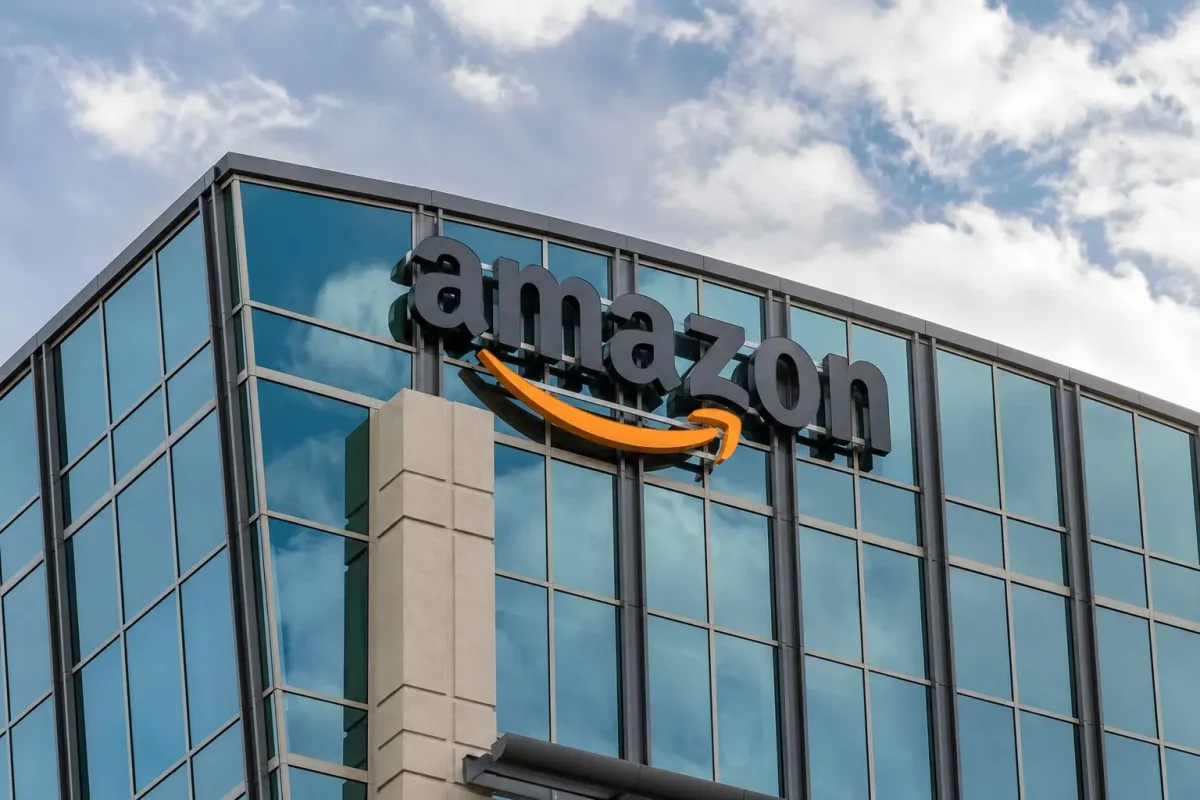
Amazon.com shares experienced a sharp decline on Monday, closing down 4.75% at $232.79 on the Nasdaq, as investor concerns over the company's massive artificial intelligence and cloud infrastructure spending resurfaced. The sell-off came just one day before the start of Prime Day, Amazon's flagship sales event, which serves as a key barometer of U.S. consumer demand.
The broader technology sector also felt the pressure, with the Nasdaq Composite falling 1.32% and the S&P 500 losing 0.37%. However, the Dow Jones Industrial Average managed a 0.29% gain, as weakness in megacap tech names outweighed strength in other areas. Alphabet and Microsoft also declined, reflecting what analysts described as a broader sector pullback tied to anxiety over AI infrastructure costs.
Amazon's capital expenditure plans have been a persistent concern for investors. In February, the company projected approximately $200 billion in capital expenditures for 2026, a significant increase from $131 billion in 2025, with much of the spending directed toward data centers and AI-related infrastructure. CEO Andy Jassy has defended the pace of AWS growth, noting that expanding from a larger base presents different challenges.
Prime Day, now in its 11th year, runs from June 23 through June 26 and features millions of deals across more than 35 categories. Bank of America projects the event will generate $21.6 billion in goods sold, a 5% increase from 2025, while Adobe Analytics expects Prime Day spending to surpass the combined totals of Black Friday and Cyber Monday 2025.
Amazon is leveraging its Alexa voice assistant for shopping, offering features such as deal guidance, price alerts, and price history. However, the earlier-than-usual timing of the event raises questions about whether consumers are still spending freely or merely waiting for discounts on everyday essentials.
Competition is intensifying on both the retail and cloud fronts. Walmart launched a seven-day sale on Monday, directly shadowing Amazon's event and keeping pricing pressure high. In the cloud computing space, Microsoft and Alphabet remain direct peers in the AI infrastructure race, each investing heavily in data centers and chips.
There is a potential downside to Prime Day's success. If consumer demand skews heavily toward lower-margin essentials like groceries and household goods, overall revenue may appear healthy while profit quality disappoints. Additionally, the upcoming release of the Personal Consumption Expenditures price index, the Federal Reserve's preferred inflation gauge, could influence interest rate expectations and keep pressure on high-valuation tech stocks.
William Stern, CEO of small-business lender Cardiff, offered a blunt assessment of consumer conditions: "People just don't have the cash right now." Bill Northey, senior investment director at US Bank, described the tech sector as a "very sentiment-driven" area, noting that Amazon's shares can move with the group even when company-specific news is mixed.
For now, the market has marked Amazon down ahead of fresh data. Prime Day will provide an immediate scorecard for the retail business, but the longer-term debate centers on whether AWS can translate AI demand into sufficient revenue to justify the massive capital outlay. That argument will take months, if not years, to resolve.