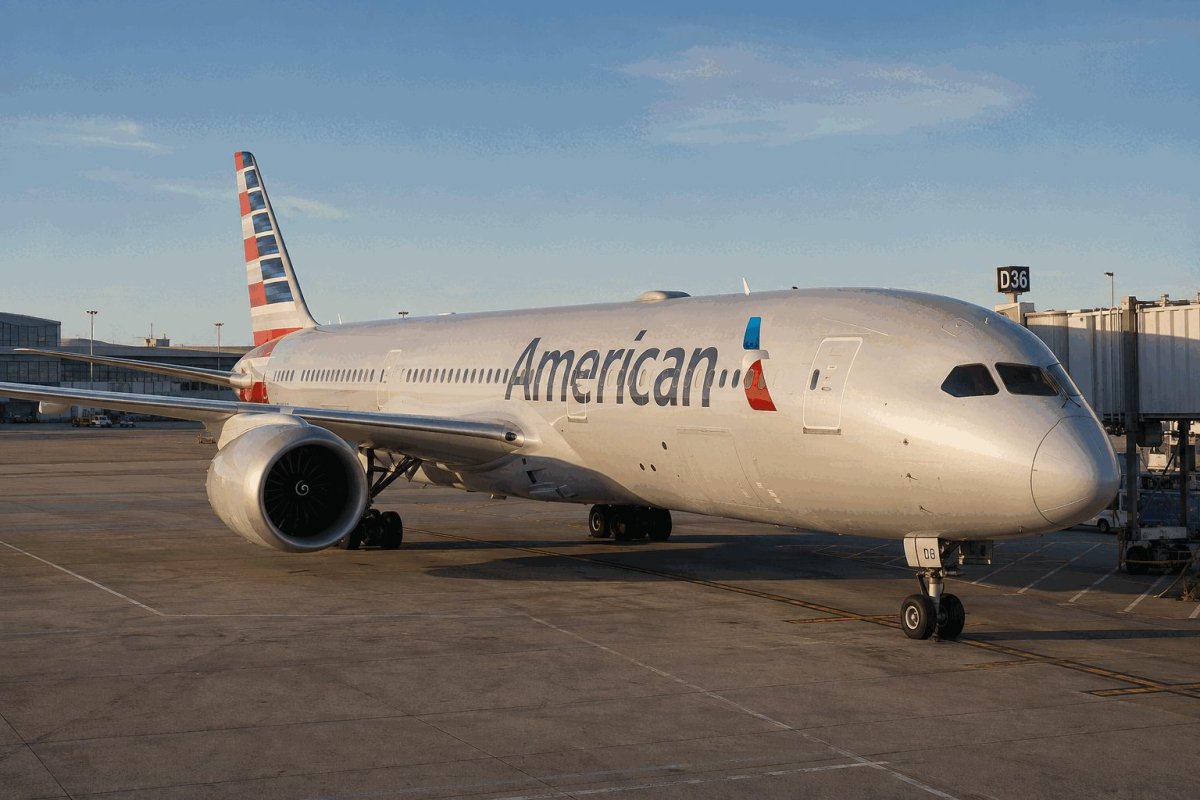
American Airlines Group Inc. (NASDAQ: AAL) saw its shares decline 1.35% to close at $13.86 on Wednesday, as the broader airline sector lost ground. The stock has now fallen 7.2% over the past five trading sessions, with volume reaching 95.6 million shares—nearly double Tuesday's level.
The decline comes amid a complex fuel price environment. Jet fuel costs have dropped significantly, from about $1,900 per tonne to $1,300, yet airlines have held off on reducing fares. Airfares remain 10% to 20% higher than a year ago, a strategy that could protect margins if fuel prices stay low.
For American Airlines, the fuel price movement is particularly significant. The company reported no fuel hedging as of March 31, meaning it is fully exposed to spot price fluctuations. According to its SEC filing, every one-cent-per-gallon change in fuel prices impacts annual fuel costs by approximately $45 million. A sustained 10-cent drop would translate to roughly $450 million in pre-tax savings, nearly 5% of American's current market capitalization of $9.18 billion.
To illustrate the potential impact, a 25-cent cut would add about $1.13 billion annually, while a 50-cent reduction could boost pre-tax income by $2.25 billion—equivalent to 24.5% of the company's market value. However, these are illustrative scenarios, not company guidance, and assume constant consumption and no fare response.
Timing remains a critical factor. American based its third-quarter projections on fuel prices around $3.75 per gallon and anticipated a $1.7 billion annual increase in fuel expense. Lower spot prices will only provide relief if they persist through the airline's buying windows.
The company's second-quarter results highlighted the fuel cost pressure. Despite record revenue of $16.7 billion, up 16.3% year-over-year, GAAP net income was just $71 million, leaving a razor-thin margin. Fuel expenses soared by $2.2 billion, or 83%, to above $4.8 billion, nearly half of which was absorbed by higher fares. Adjusted net income came in at $99 million.
Chief Executive Robert Isom noted that revenue growth exceeded forecasts, with premium unit revenue climbing 13.4% and managed corporate revenue advancing 26%. These figures support the airline's decision to maintain fare levels.
American's relative resilience on Wednesday—outperforming its major rivals—may reflect its greater potential benefit from lower fuel prices. Delta Air Lines (NYSE: DAL) fell 2.81%, United Airlines (NASDAQ: UAL) slipped 2.48%, and Southwest Airlines (NYSE: LUV) dropped 2.52%. American's shares remain 26% below their 52-week high of $18.79.
Wall Street analysts are divided on the stock's prospects. According to StockAnalysis, 25 analysts have set an average price target of $19.03, implying a 37.3% upside from the last close. Targets range from a low of $10.30 to a high of $25. Recent recommendations include UBS with a Buy and $18 target, JPMorgan with a Buy and $24 target, and Susquehanna with a Buy and $25 target. Conversely, Goldman Sachs maintains a Sell rating with a $13 target, while BMO Capital holds a Hold with a $19 target.
Investors will be watching next week to see if reduced fuel prices persist without triggering a fare war. If airlines cut ticket prices, passengers would benefit, but shareholders would see margins shrink. If fares hold steady, the fuel savings could flow directly to the bottom line.
Risks remain substantial. Fuel prices can reverse quickly, and American's lack of hedging leaves it vulnerable. Additionally, significant debt, high labor costs, softer travel demand, and operational issues could offset any benefit from lower fuel expenses.
The stock presents a straightforward yet volatile opportunity tied to fuel prices. What matters most is not the current oil price, but the spread between fuel costs and fare revenue—a dynamic that will determine American's profitability in the coming quarters.