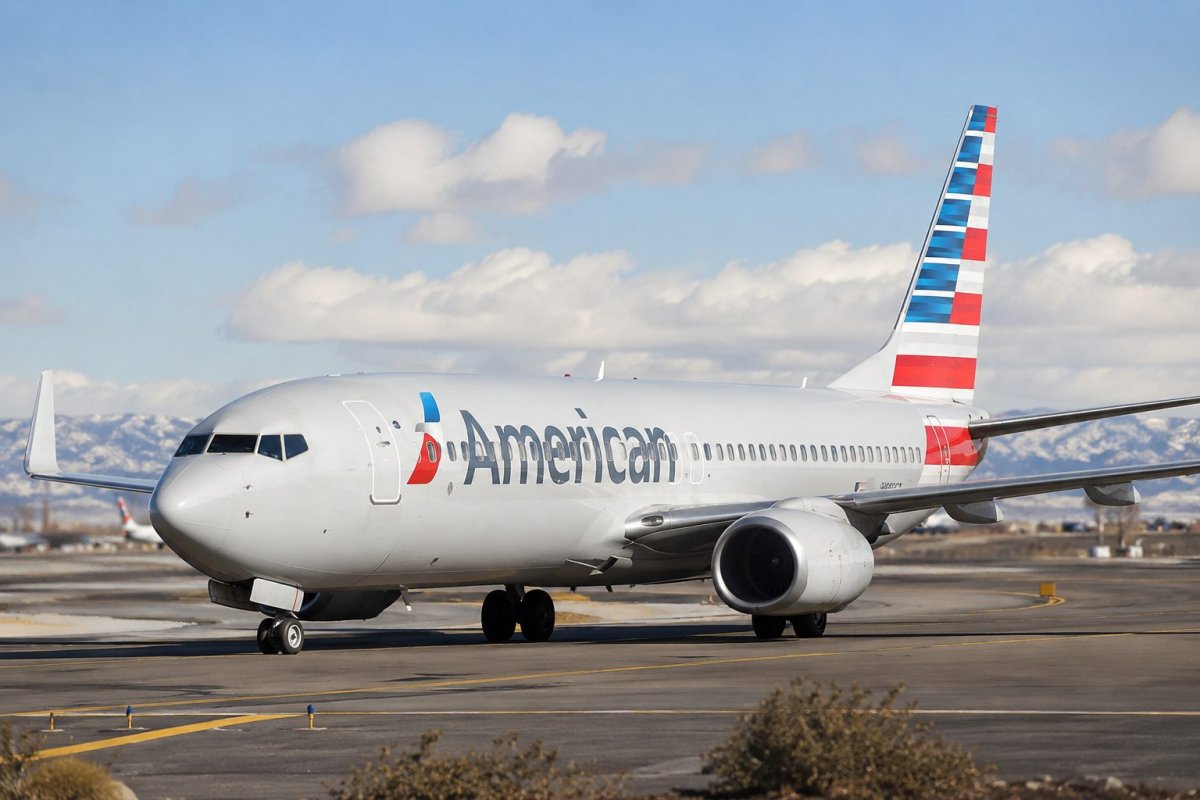
American Airlines Group Inc. (NASDAQ:AAL) saw its shares climb 7.3% above the average Wall Street analyst target on Thursday, closing at $17.57 as a sharp drop in fuel costs improved the airline's earnings outlook. The stock, which hit a 52-week high of $18.04 during the session, is now trading at a premium to the consensus analyst estimate of $16.38, according to WSJ data.
Trading volume surged to 203.4 million shares, approximately 2.5 times the 65-day average of 80 million, signaling strong investor interest. In pre-market trading on Friday, the stock eased 0.4% to $17.50, reflecting some profit-taking after the recent rally.
Fuel Costs Drive Optimism
The airline industry has been buoyed by a significant decline in fuel prices, with jet fuel dropping to an average of $119.17 per barrel for the week ending June 19, down from over $170. This decline has been driven by easing tensions in the Middle East, with more tanker traffic resuming through the Strait of Hormuz. Brent crude fell about 2% to $73.76 on Friday, while West Texas Intermediate traded at $70.43.
Jefferies analysts estimate that a 5% reduction in fuel costs could boost American's earnings per share by up to 50%, a much larger impact than for peers like Delta Air Lines (NYSE:DAL), United Airlines (NASDAQ:UAL), and Southwest Airlines (NYSE:LUV), where the same fuel savings would lift EPS by 10% to 15%. This outsized effect reflects American's smaller earnings base and higher sensitivity to fuel price changes.
Market Context and Valuation
The rally in airline stocks has been broad-based, with the S&P 500 Passenger Airlines Index reaching a record high and climbing nearly 13% from its June 12 close. American Airlines jumped about 7% on Wednesday, outperforming its major competitors. However, the stock remains 2.6% below its 52-week high, suggesting there may be further upside if fuel costs continue to fall.
Barclays recently raised its price target on American to $19 from $16, maintaining an Equal Weight rating. The analysts noted that airlines could raise third-quarter unit revenue guidance and improve their 2027 margin outlook if energy prices decline further. Even so, the $19 target is only 8.1% above Thursday's close, indicating limited near-term upside from current levels.
Earnings and Debt Picture
American's financial position has been improving, with total debt standing at $34.7 billion at the end of the first quarter, the lowest since mid-2015. Revenue for the quarter hit a record $13.9 billion, though the company reported a GAAP net loss of $382 million. For the second quarter, American has guided for adjusted EPS between a loss of 20 cents and a profit of 20 cents, with the consensus estimate at a loss of 1 cent.
CEO Robert Isom expressed optimism about demand, stating that the company is "on track for another record" in the second quarter. He also noted that corporate travel bookings are up 13% year-over-year. However, American has lagged behind Delta and United on profitability for several years, a trend that investors will be watching closely.
Key Test Ahead
The next major catalyst for American Airlines comes on July 16, when the company reports second-quarter earnings. Analysts will be focused on whether the airline can maintain pricing power and pass on fuel savings to customers. Conor Cunningham at Melius Research emphasized that the key question is whether airlines can "hold price" in the current environment.
With the stock already trading above analyst targets, much of the fuel benefit appears to be priced in. The earnings report will provide a clearer picture of whether American can sustain its momentum and deliver on its full-year outlook, despite fuel costs that are expected to be $4 billion to $5 billion higher than last year.