Anthropic's initial public offering (IPO) filing has unveiled a strategic shift in how the AI company procures its computing infrastructure. The October 26 prospectus introduces a model called "Anthropic Direct," which separates the leasing of AI chips from data center facilities. This move aims to optimize capital allocation and align expenses more closely with revenue growth.
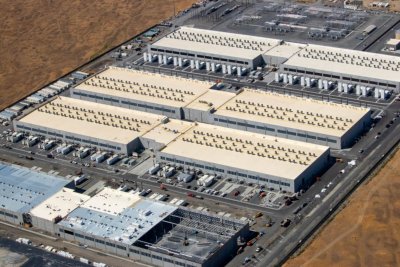
The decision stems from the differing lead times associated with securing physical infrastructure versus computing hardware. According to the filing, booking data center space requires a longer planning horizon, while accelerator chips can be procured more rapidly. By decoupling these decisions, Anthropic can commit to facilities early while delaying larger chip investments until its computing needs become clearer.
The financial trade-off is immediate: the company expects higher upfront infrastructure spending before the computing capacity becomes operational. However, the filing also reveals that quarterly compute expenses are growing at a slower pace than revenue, suggesting improving operational efficiency. In the second quarter of 2026, revenue surged 144.2% quarter-over-quarter to $11.555 billion, while compute expenses grew 64.1% to $5.558 billion. This brought the compute-to-revenue ratio down from 71.6% in Q1 to 48.1% in Q2, with revenue per compute dollar rising from $1.40 to $2.08.
These figures, however, encompass a broad range of computing costs, including research, model development, internal Claude usage, and infrastructure—not just customer-facing inference. The expense intensity improvements cannot be solely attributed to chip efficiency or model performance; they reflect a mix of factors including pricing and workload composition.
Anthropic's financing strategy also involves contracts without fixed minimum dollar commitments, as identified by Data Center Dynamics on October 26. Payments are contingent on capacity, delivery timing, and pricing, making it difficult to project the eventual scale of computing capacity from a single spending figure.
The company's relationship with Amazon (NASDAQ: AMZN) provides a baseline for its cloud spending. In April 2026, Amazon announced that Anthropic had committed to over $100 billion in AWS technologies over a decade, including up to five gigawatts of Trainium capacity across multiple chip generations. This agreement, however, represents a commitment rather than an existing installation, and comparisons with Anthropic Direct will require detailed delivery schedules and usable capacity metrics.
Anthropic's dedicated infrastructure buildout predates the IPO filing. In November 2025, the company announced a $50 billion program with Fluidstack to develop facilities in Texas and New York, with additional sites planned. The original timeline targeted openings throughout 2026. CEO Dario Amodei stated at the time that these sites would help build more capable AI systems, and the new filing elaborates on the procurement strategy for that development.
IPO proceeds remain uncertain, as the share count and price range have not been determined. The company has proposed the Nasdaq symbol "ANT," but the registration is not yet effective. The filing provides disclosures but does not fix the amount available for infrastructure investments.
The separation of procurement introduces risks. Coordinated deliveries across multiple counterparties become more critical, and Anthropic warns it could owe payments for individual inputs before receiving usable compute. Delays in facilities, chips, or supporting infrastructure could tie up cash while capacity remains unavailable. As the year-end delivery checkpoint approaches, the key question is how much dedicated capacity will become operational by December 31, requiring facilities and accelerators to arrive in sync.