Volkswagen (ETR:VOW3) has entered into a strategic semiconductor partnership with NXP Semiconductors (NASDAQ:NXPI), tapping the chipmaker to provide microcontrollers for its next-generation vehicle electronics architecture. The agreement, announced on October 26, is a cornerstone of Volkswagen's plan to streamline its vehicle control systems and enhance software-defined capabilities.
The collaboration focuses on NXP's S32K5 microcontroller family, which will serve as the foundation for zonal controllers that consolidate functions across different vehicle regions. This shift marks a departure from the traditional approach of adding numerous discrete electronic control units (ECUs), instead integrating multiple functions into fewer, more powerful modules. While Volkswagen has highlighted the benefits of this consolidation, it has not yet quantified the expected reductions in controllers, wiring, or overall costs.
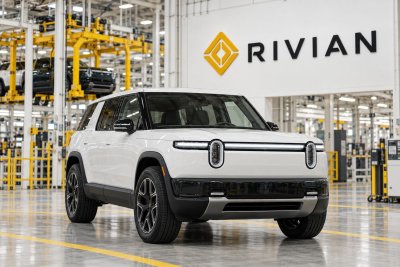
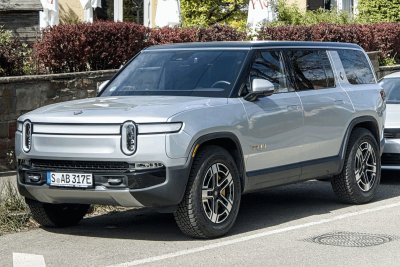
Volkswagen's architecture partner, Rivian (NASDAQ:RIVN), provides a compelling precedent. Through their RV Tech joint venture, Rivian's second-generation R1 vehicles reduced the number of in-house controllers from 17 to seven in 2024, a 58.8% reduction based on published figures. Rivian also reported removing 1.6 miles (approximately 2.6 kilometers) of wiring per vehicle. However, Volkswagen has not announced an equivalent target for its own lineup.
The S32K5 chips are designed to handle a range of functions, including lighting, comfort, chassis, and safety systems. They will connect sensors and actuators, gather data from surrounding vehicle systems, and support high-performance central processors for compute-intensive tasks such as automated driving and infotainment. NXP's chief executive, Rafael Sotomayor, emphasized the importance of safety and reliability, stating, "Intelligent, software-defined vehicles must operate safely, securely and reliably."
Introduced in March 2025, the S32K5 family is manufactured using a 16-nanometer FinFET process and features embedded magnetic RAM (MRAM). The chips offer processor clocks up to 800 MHz, MRAM capacity up to 41 MB, and an integrated Ethernet switch supporting 2.5 Gbps. Notably, NXP still lists the family as preproduction, with specifications subject to change, meaning the agreement represents a design win rather than a completed deployment.
The new architecture is expected to support over-the-air software updates, with features such as A/B firmware swapping and rollback support. These capabilities are critical for modern software-defined vehicles, allowing for seamless updates and recovery from failed installations. Additionally, the chips provide hardware isolation and safety features up to ASIL D, essential for shared-function controllers.
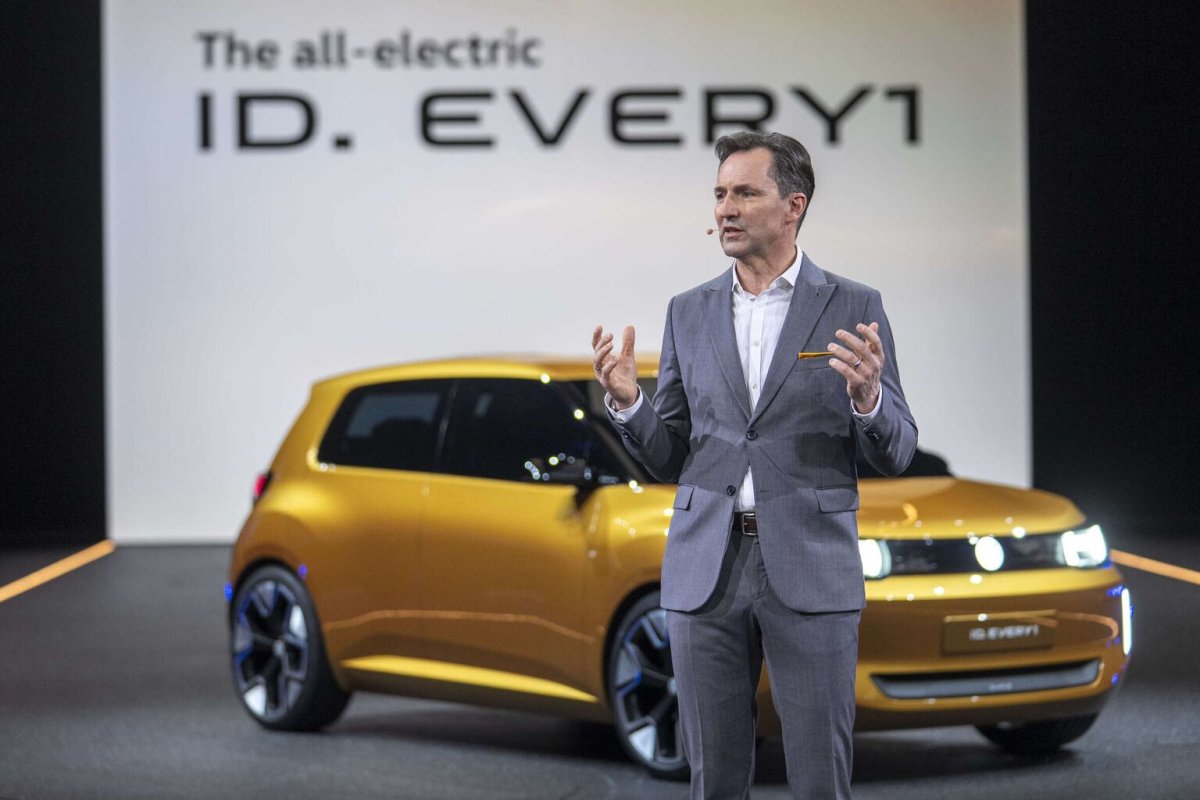
Volkswagen has positioned this partnership as part of a broader strategy to secure long-term semiconductor supplies and set requirements earlier in the design process. The planned architecture will span multiple brands and vehicle segments, though the company has not disclosed specific procurement savings or guaranteed delivery volumes. The first vehicle utilizing this architecture is targeted for 2027, following the timeline set by the ID. EVERY1 concept, which was slated to be the first Group model with a new software architecture.
Industry analysts view this move as a competitive response to the increasing complexity of vehicle electronics and the push toward software-defined vehicles. By consolidating controllers, automakers can reduce weight, cost, and potential failure points, while improving performance and updateability. However, the success of this strategy depends on flawless integration and validation, which remains a significant challenge.
NXP is scheduled to report its quarterly results on October 27, and investors will be keen to see if the company provides additional details on this partnership. For now, the agreement underscores the growing importance of semiconductor partnerships in the automotive industry, as traditional automakers race to catch up with EV pioneers like Tesla and Rivian.