Shares of Bank of America Corporation dropped more than 2% in premarket activity on Monday, March 2, 2026, extending significant losses from the prior week. The decline tracked a broader retreat in U.S. equity futures, driven by a sharp spike in crude oil prices following an escalation of geopolitical conflict involving Iran.
The price of Brent crude oil surged 8.3% to approximately $78.50 per barrel in early trading. This sharp move higher in a key commodity reverberated across financial markets, pressuring stock index futures. The S&P 500 futures contract slipped about 1% as traders assessed the potential for prolonged energy market disruptions.
Market volatility, as measured by the CBOE Volatility Index (VIX), climbed to its highest level in three months. Analysts noted that while markets have historically absorbed isolated Middle East conflicts, the risk of the tensions spreading beyond the immediate region introduced fresh uncertainty. "There's plenty of scope for more downside if the conflict escalates further," remarked Chris Beauchamp, chief market analyst at IG.
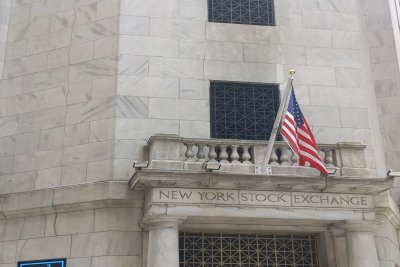
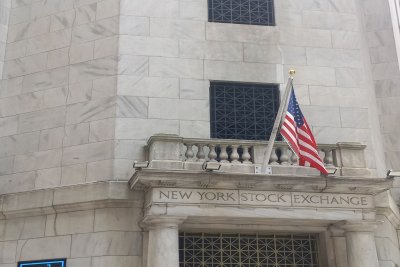
Bank of America found itself under particular pressure following a difficult prior session. The stock closed the previous Friday down 4.72% at $49.83. The broader banking sector experienced its steepest single-day decline since April, with the KBW Bank Index sliding 4.9%. Peers including Goldman Sachs, Wells Fargo, and Morgan Stanley each posted significant losses.
In a separate corporate announcement, Bank of America stated it plans to redeem the entire €1.75 billion principal amount of its floating-rate senior notes maturing March 10, 2027. The redemption is scheduled for March 10, 2026. Noteholders will receive €1,000 for each €1,000 of principal, plus any accrued and unpaid interest.
The current environment presents a dual challenge for major financial institutions. Banks operate at the intersection of interest rates, economic growth expectations, and investor risk appetite. A sustained spike in oil prices could prolong inflationary pressures, complicating the Federal Reserve's policy path. Conversely, a potential economic slowdown raises concerns over future loan losses. While higher interest rates can bolster net interest income—the difference between what banks earn on loans and pay on deposits—this benefit can quickly erode if loan defaults begin to rise.
Looking ahead, market participants are bracing for a key catalyst at the end of the week. The U.S. Bureau of Labor Statistics will release the February employment report on Friday, March 6, at 8:30 a.m. Eastern Time. Surprises in job creation or wage growth data can trigger immediate moves in Treasury yields, which bank stocks often follow within minutes.
Bank of America's co-president, Dean Athanasia, is scheduled to appear at the RBC Capital Markets Global Financial Institutions Conference on March 10. As the regular U.S. trading session approaches, the focus remains on whether bank stocks can stabilize after last week's slide or face further pressure from energy prices and shifting growth sentiment.