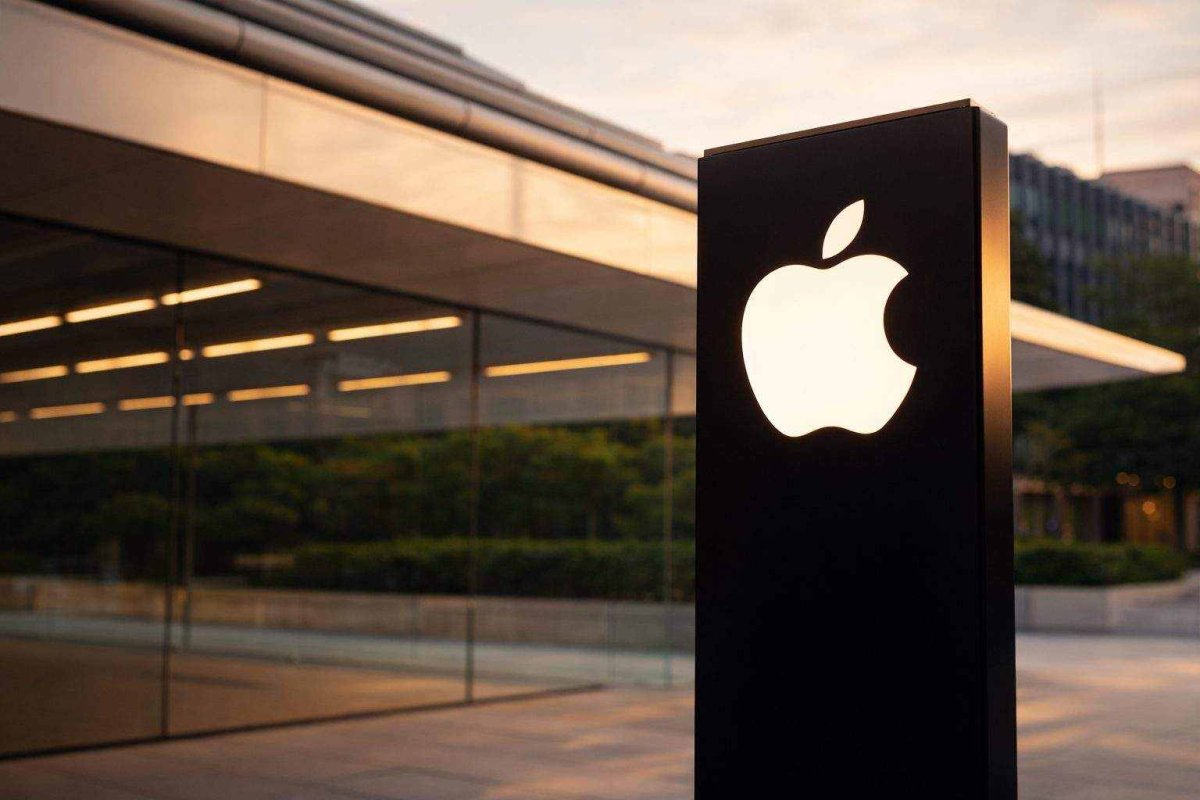
Barclays reaffirmed its bearish stance on Apple Inc., maintaining a Sell rating and a $248 price target, as concerns over soft iPhone demand and the potential impact of artificial intelligence upgrades create a divided outlook on Wall Street. The note from analyst Tim Long highlighted persistent weakness in iPhone unit trends, even as Apple shares climbed approximately 2.8% to $253.65 in late trading on Tuesday, March 31, 2026. Despite the day's gain, the stock remained roughly 6% below its closing price of $271.01 from January 2.
Market Context and Tech Rally
The rally in Apple occurred amidst a broader surge in technology stocks. The Nasdaq Composite jumped more than 3% on hopes for a de-escalation in Middle East tensions, with peers like Microsoft, Nvidia, and Alphabet also posting significant gains. However, this upward move did little to erase the sector's quarterly losses. The rally also unfolded against a backdrop of mounting challenges for mega-cap technology firms. Reuters recently noted that the so-called "Magnificent Seven" account for about one-third of the S&P 500's total market capitalization, a group that Raymond James strategist Matt Orton described as facing a "perfect storm" of headwinds.
AI Ambitions and Siri Upgrades
Barclays' skeptical assessment arrives as Apple intensifies its focus on artificial intelligence. According to reports, the company is currently testing a new Siri feature capable of processing multiple commands simultaneously. Furthermore, Apple is reportedly planning to allow Siri to hand off complex queries to external AI models, such as Alphabet's Gemini and Anthropic's Claude, in the upcoming iOS 27 release. These developments are central to Apple's strategy to infuse its devices with more advanced AI capabilities, branded as "Apple Intelligence."
However, analyst Tim Long expressed doubt that software enhancements alone would be sufficient to catalyze a major device replacement cycle. He also pointed to decelerating growth in Apple's high-margin services segment and a valuation he considers stretched. Supporting this cautious view, a March 29 analysis from The Motley Fool suggested Apple could become the laggard among the Magnificent Seven through 2030, citing the company's heavy reliance on the iPhone, alongside increasing competitive, regulatory, and trade-related risks.
Bullish Counterpoints and China Strength
Not all signals are negative for the Cupertino-based giant. Bullish analysts highlight a notable resurgence in demand from China. Reuters reported that Apple's smartphone sales in China surged 23% year-over-year during the first nine weeks of 2026, starkly outperforming a broader market decline. Earlier in the year, Apple had projected revenue growth of up to 16% for the March quarter, fueled by stronger demand in China and India. CEO Tim Cook previously described demand for the latest iPhone models as "staggering" in an interview.
This strength has led some on Wall Street to see opportunity. Seeking Alpha noted on Monday that the recent stock pullback could present an attractive entry point if Apple's price dips into the low $230s. Furthermore, Morgan Stanley analyst Erik Woodring maintained a more optimistic view, forecasting nearly 28% upside over the next twelve months, banking on accelerated iPhone upgrade cycles in both the United States and China.
Valuation and Wall Street Sentiment
A primary hurdle for Apple's stock remains its premium valuation. The company trades at a price-to-earnings ratio of approximately 34, a premium to Microsoft at around 30 and Alphabet at 24. This elevated multiple led Long to characterize Apple's stock as "high end" relative to its own historical range. The current consensus on Apple reflects a divided Street. According to TipRanks, the stock carries a Moderate Buy rating, derived from 14 Buy recommendations, nine Hold ratings, and a single Sell.
The risks appear balanced. Bears could be caught in a short squeeze if Apple successfully executes its AI rollout ahead of its key developer conference in June, sparking a fresh wave of hardware sales. Conversely, bulls face the risk of disappointment if consumers show reluctance to pay for new AI features or if Siri's upgrades fail to materially stimulate new device demand. All eyes are now turning to Apple's June developer event, where the company is expected to showcase the software updates that have become a focal point of the investment debate.