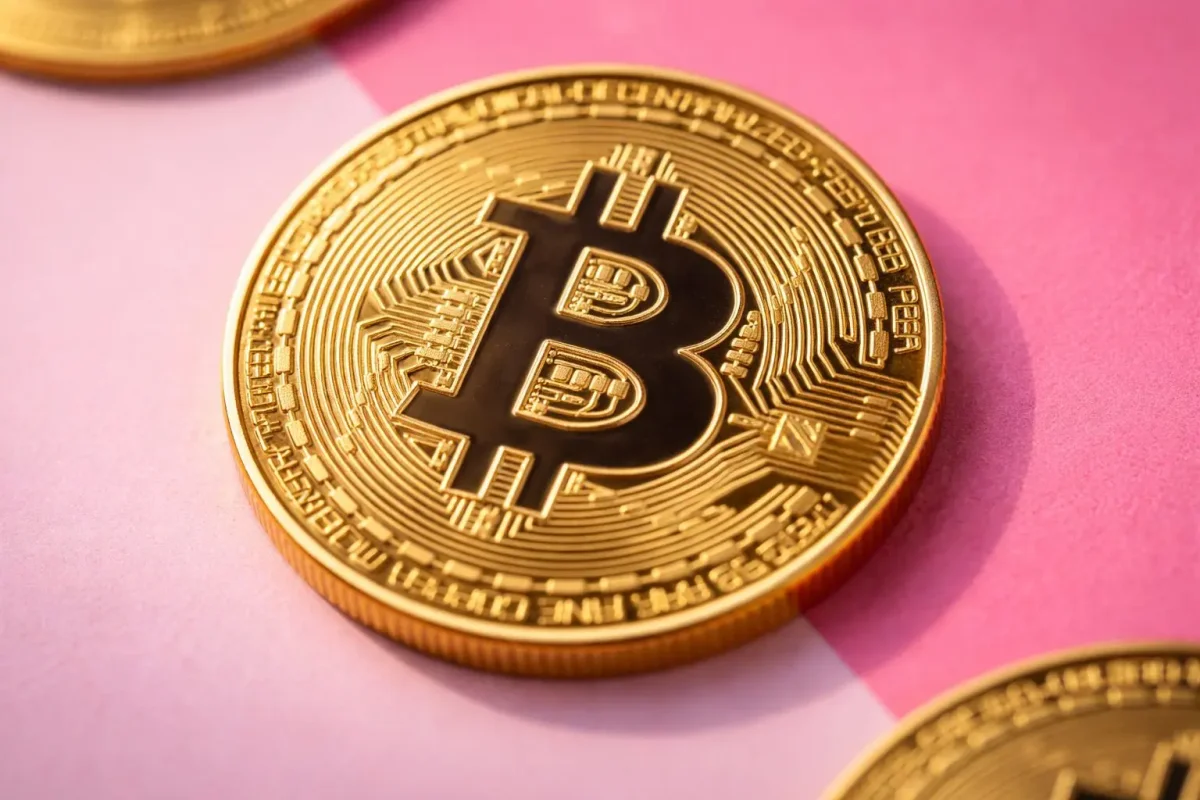
Digital asset markets staged a notable recovery on Monday, with Bitcoin rising approximately 4.7% to $69,141, regaining ground lost during a turbulent weekend for global risk assets. Ethereum followed suit, advancing roughly 3.9% to $2,040. The rebound unfolded against a backdrop of heightened geopolitical uncertainty and shifting macroeconomic expectations.
Geopolitical Shockwaves and Commodity Response
Investor sentiment was heavily influenced by escalating military actions in the Middle East, specifically a widening U.S.-Israeli air campaign against Iran. This development sent shockwaves through commodity markets, with Brent crude oil futures surging 8.07% to $78.74 per barrel. U.S. West Texas Intermediate crude gained 6.86% to $71.62. Analysts immediately drew parallels to previous oil price spikes triggered by geopolitical events.
"Significantly higher oil prices are inflationary, reminiscent of the dynamic observed when Russia invaded Ukraine," noted analysts at Rabobank. The inflationary implications were underscored by Steven Rochester of Mizuho, who warned that sustained oil prices in the $100 to $130 range could potentially derail anticipated interest rate cuts from the Federal Reserve and even necessitate a mild tightening cycle.
Market Mechanics and Inflation Data
Bitcoin's price had briefly dipped below $64,000 on Saturday before finding stability, a move attributed to typically thin weekend trading liquidity that can amplify price swings. Analysts at SEB suggested the current geopolitical climate may not dissipate quickly, arguing the fundamental setup could support oil prices at least $10 higher from current levels.
Traditional safe-haven assets also saw activity. Gold held near $5,284 an ounce following an earlier spike, even as the U.S. dollar index rose more than 1%. "The market is currently attempting to assess whether these attacks will be followed by further escalation over the coming weeks," commented David Meger, director of metals trading at High Ridge Futures.
Domestic economic data released Monday provided little comfort for those hoping inflation pressures were abating. The Institute for Supply Management's manufacturing Purchasing Managers' Index registered 52.4 for February, indicating expansion. More critically, the ISM's prices-paid component jumped to 70.5, marking its highest reading since October 2022 and signaling robust input cost inflation within the factory sector.
Regulatory Developments on Both Sides of the Atlantic
Regulatory headlines added another layer to the market narrative. In Turkey, the ruling AK Party submitted draft legislation proposing a 10% withholding tax on income and gains from crypto-assets. The bill also includes a 0.03% transaction levy on sales and transfers conducted by cryptocurrency service providers.
In the United States, the Commodity Futures Trading Commission announced the appointment of former prosecutor David Miller as its new director of enforcement. The move comes as the agency prepares for an expanded oversight role in cryptocurrency and prediction markets. Miller stated he looks forward to protecting market integrity from "fraud, abuse, and manipulation."
Forward Outlook and Key Catalysts
The sustainability of the rebound remains contingent on several factors, including whether the Middle East conflict widens or leads to significant disruptions in key shipping lanes like the Strait of Hormuz. Commerzbank chief economist Joerg Kraemer characterized the initial market reaction as "relatively moderate" given the effective closure of the vital strait. Barclays analysts cautioned that investors may be underestimating the risk of a scenario where diplomatic and military containment fails.
Market participants now turn their attention to the next major economic catalyst: the U.S. employment report for February, scheduled for release at 8:30 a.m. ET on Friday, March 6. A Reuters poll forecasts the addition of 60,000 jobs. "The concern is that the strong job growth seen in January was a one-off anomaly," said Paul Nolte, senior wealth adviser and market strategist at Murphy & Sylvest Wealth Management. The report will be scrutinized for clues on the timing and pace of future Federal Reserve rate adjustments, with ongoing Middle East developments and the trajectory of oil prices serving as critical concurrent influences.