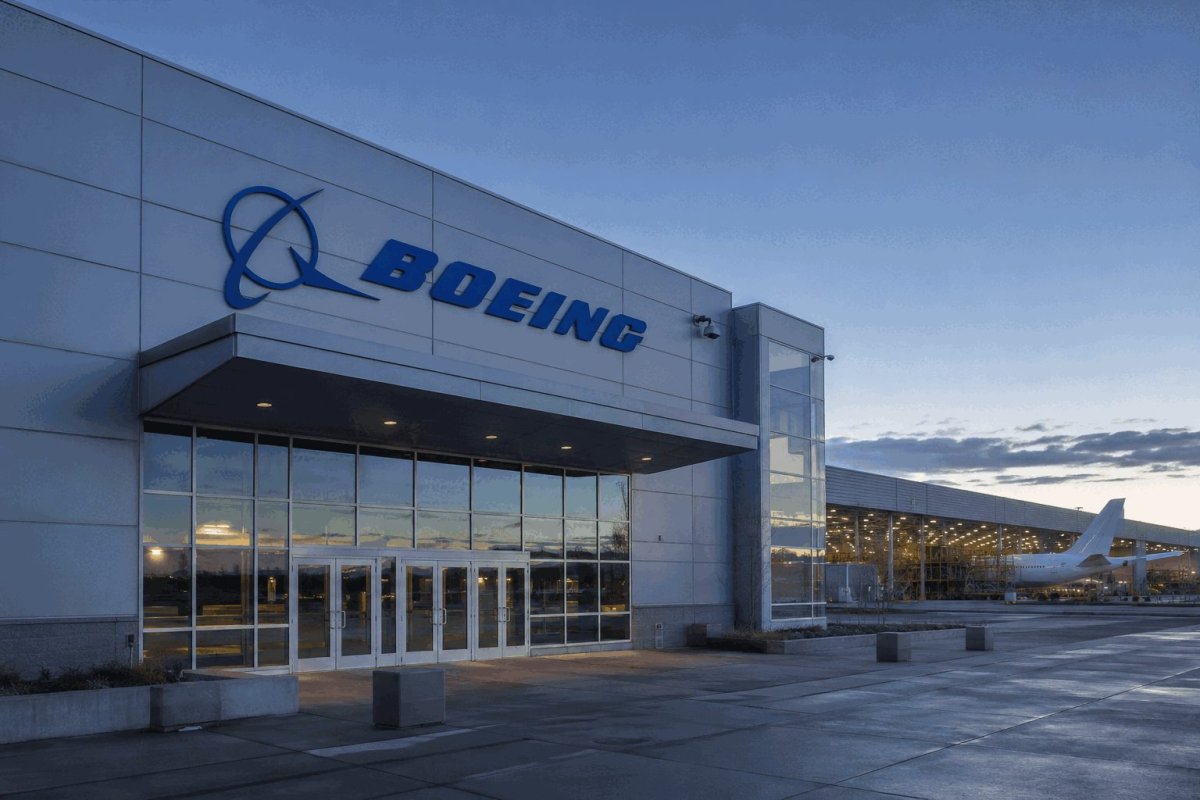
Boeing's (NYSE: BA) labor troubles escalated over the weekend as its largest white-collar union decisively rejected a four-year contract proposal, setting the stage for a potential strike that could disrupt the aerospace giant's certification timeline for its most anticipated aircraft programs.
In a vote announced late Friday, 64% of engineers and 72% of technical workers opposed the tentative agreement, with roughly 17,000 employees authorizing a work stoppage effective after the current contract expires on October 6. The earliest a strike could begin is October 7, according to union officials.
The news sent Boeing shares down 0.42% on Friday to $214.20, capping a week that saw the stock lose 7.5% of its value. The decline widened the gap between the current trading price and the consensus analyst target of $274.85, which implies a potential upside of 28.3%.
Certification Push at Risk
The timing of the labor dispute is particularly critical, as Boeing is ramping up production of its 737 MAX family and seeking certification for the 737-10 and 777-9 models. Engineers play a pivotal role in design, testing, and production across these programs, making a prolonged strike a significant execution risk.
"There is more work ahead in the second half," CEO Kelly Ortberg said in July, referring to the company's operational stabilization and certification progress. That warning now carries greater weight, as investors must factor in potential delays to recovery milestones.
No additional talks are currently scheduled, raising the likelihood of a work stoppage.
Wage Dispute Quantified
The core of the dispute centers on compensation. Boeing's offer included a provision linking a portion of pay increases to inflation, but capped that adjustment at 3%. However, consumer prices in the Seattle region rose 4.5% in the twelve months ending in June, according to the Bureau of Labor Statistics, creating a 1.5 percentage point shortfall. Even core CPI, which excludes food and energy, stood at 3.5%, still above the cap.
The offer also included performance-based and other wage components, but the inflation gap proved a sticking point for many employees.
Market Reaction and Financials
The stock's recent slide comes despite improving operational metrics. Boeing reported second-quarter revenue of $24.56 billion, up 8% year-over-year, and free cash flow of $631 million, a notable turnaround from a $200 million outflow in the same period last year. Commercial deliveries rose 14% to 171 aircraft, and the total backlog reached $715 billion, up 16%.
Investor sentiment remains cautiously optimistic, with 23 of 28 analysts rating the stock a Buy and none recommending a Sell. However, the labor dispute adds a layer of uncertainty that could affect delivery schedules and cash flow projections.
Boeing's production engineering chief, Ben Nimmergut, expressed disappointment over the vote, stating that the company is activating its contingency plans and reallocating funds previously earmarked for early ratification bonuses.
What's Next
Wall Street will be watching Monday's market open for the initial reaction to the vote. A key signal will be whether talks resume before the October deadline. Until then, Boeing's recovery narrative faces a clear and pressing challenge from its own workforce.