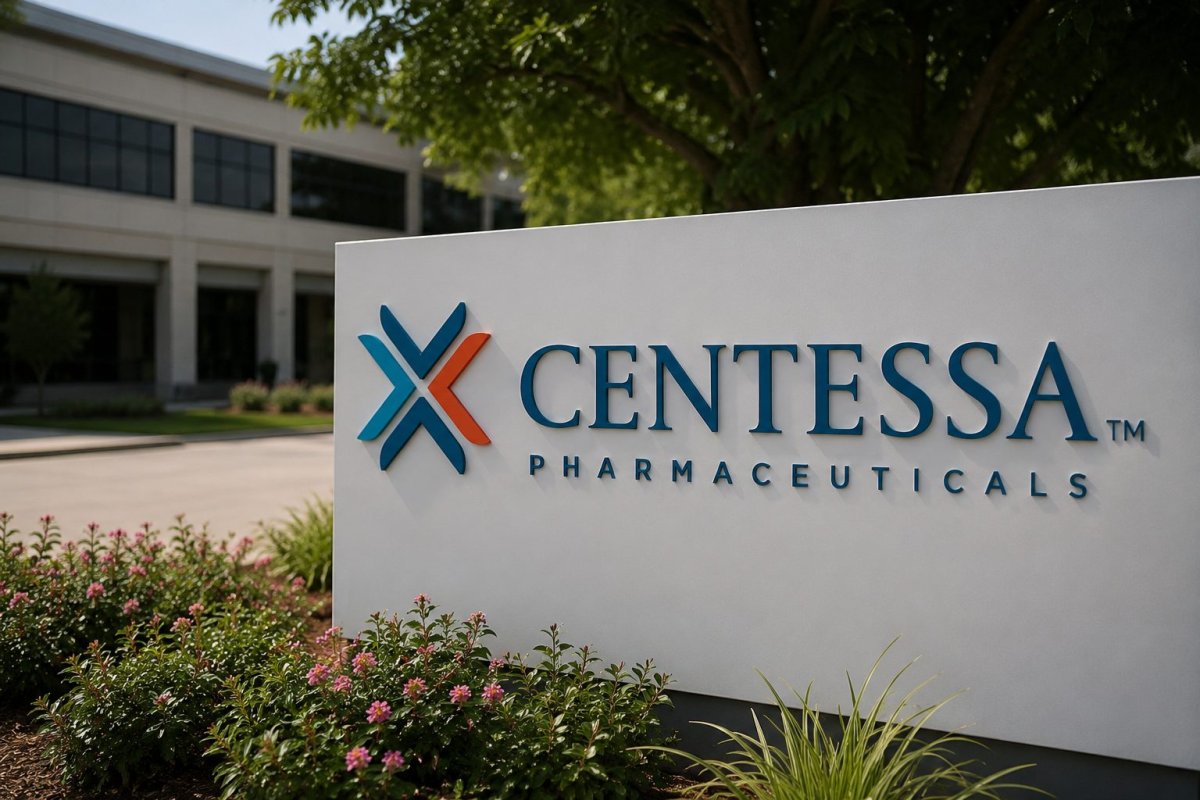
Centessa Pharmaceuticals (NASDAQ:CNTA) saw its final trade at $40.50 per American Depositary Share, a $2.50 premium over the $38 cash consideration offered by Eli Lilly and Company (NYSE:LLY) in its completed acquisition. This spread implies that the non-transferable contingent value right (CVR) is currently valued at approximately 28% of its maximum $9 payout, underscoring the ongoing risk and potential reward for holders as the stock ceases public trading.
The Nasdaq suspension of CNTA trading took effect on June 25, following the closure of the Lilly buyout on June 24. The stock's last trading day was June 23, with a halt imposed after the after-hours session around 7:50 p.m. ET. While the broader Nasdaq Composite opened Friday down 1.0% at 25,105.414, Centessa shares are no longer part of the public market action.
For shareholders who held through the close, each share entitles them to $38 in cash plus one CVR. The CVR is non-transferable and will only pay out if certain FDA approvals are achieved within specified timelines. According to Lilly's transaction statement, a $2 payment is tied to cleminorexton (formerly ORX750 or ORX142) for narcolepsy type 2 approval within five years of the deal's close. An additional $5 is contingent on idiopathic hypersomnia clearance before the same deadline, and another $2 is available upon the first U.S. approval in any indication before January 1, 2030. Lilly has cautioned that no CVR payments are guaranteed.
The suspension of trading eliminates public price discovery, but the CVR's drug-approval payouts remain a key variable. Listed options on CNTA are cash-settled only and do not include the CVR, meaning option holders miss out on these potential payoffs. The Options Clearing Corporation (OCC) adjusted each contract to include $3,800 in cash ($38 per share for 100 shares), without the CVRs. Contracts set to expire after July 17, 2026, now roll off on that date.
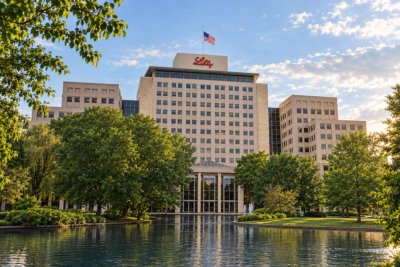
Following the acquisition, Lilly's neuroscience leadership emphasized urgency in advancing Centessa's portfolio. Carole Ho, executive vice president and president of Lilly Neuroscience, stated after the close that the company plans to pursue Centessa's assets aggressively. In the earlier deal announcement, former Centessa CEO Mario Alberto Accardi highlighted the company's position at the forefront of orexin science.
Farallon Capital Management disclosed a 0% stake in Centessa after selling its ordinary shares tied to the acquisition, according to a Schedule 13D/A filing on Friday. This move reflects the fund's exit from the investment following the deal's completion.
The CVR's current implied value of 28% of its maximum suggests market skepticism about the likelihood of full FDA approval milestones being met. However, the remaining upside potential continues to attract interest from holders willing to bet on regulatory success. As Centessa becomes a wholly owned unit of Lilly, the focus now shifts entirely to the clinical and regulatory outcomes that will determine the CVR's final payout.