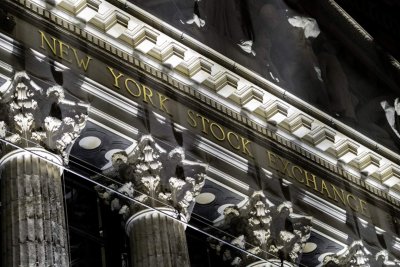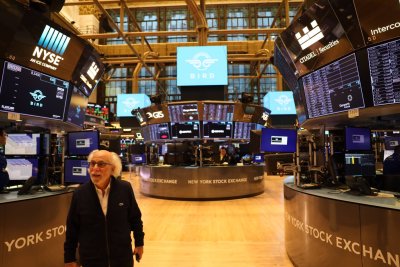
The Dow Jones Industrial Average climbed 247.66 points, or 0.52%, to 48,155.97 by midday Thursday, extending a powerful rally from the previous session. The broader S&P 500 rose 0.50%, while the technology-heavy Nasdaq Composite gained 0.60%. The upward momentum was primarily fueled by signs of reduced geopolitical friction in the Middle East, which prompted a significant retreat in crude oil prices.
Geopolitical Developments Drive Market Sentiment
Market sentiment shifted notably following comments from Israeli Prime Minister Benjamin Netanyahu, who indicated plans to initiate peace negotiations with Lebanon, including discussions on the disarmament of Hezbollah. This announcement, coming after a reported two-week ceasefire between the U.S. and Iran, helped calm investor nerves that had been frayed by concerns over energy supply disruptions. The Strait of Hormuz, a critical chokepoint for roughly 20% of global oil and gas shipments, had been a focal point of market anxiety.
The immediate market reaction was a sharp reversal in oil prices. Crude futures tumbled more than $4 per barrel following Netanyahu's remarks. While this drop provided relief for equity markets, analysts noted that oil prices remain elevated, still trading approximately 40% above levels seen prior to the recent conflict. For the Dow, an index comprising 30 major U.S. corporations, lower fuel and shipping costs can offer margin relief for industrial and consumer-facing companies.
Corporate Highlights and Sector Movement
Leading the individual gainers, Amazon (AMZN) surged 4.3% after the company disclosed that the artificial intelligence services within its cloud unit are now generating annualized revenue exceeding $15 billion. Within the Dow, advances in industrial names like Caterpillar (CAT) and Honeywell (HON) helped offset declines in Salesforce (CRM) and IBM (IBM).
The session's gains built on Wednesday's historic rally, where the Dow soared 1,326 points, or 2.85%, marking its largest single-day percentage gain since April 9, 2025. That surge was triggered by news of the U.S.-Iran ceasefire, which sent crude prices below $100 a barrel and ignited a broad-based relief rally. Ross Mayfield, an investment strategy analyst at Baird, noted that the positive impact was even more pronounced in international markets, as "most other countries are more exposed to an energy shock and a food shock than the U.S."
Monetary Policy and Economic Data Cast a Shadow
Despite the day's optimism, underlying economic concerns kept investor enthusiasm in check. Fresh data revealed a 0.4% increase in the Personal Consumption Expenditures (PCE) price index for February, the Federal Reserve's preferred inflation gauge. Separate reports showed U.S. economic growth cooled to a 0.5% annualized rate in the fourth quarter.
Reflecting these persistent inflation pressures, interest rate traders dramatically recalibrated their expectations for monetary policy easing. Market-implied probabilities now assign just a 30% chance of a quarter-point Federal Reserve rate cut by the end of the year, a stark decline from the 56% odds priced in only a day earlier. Minutes from the Fed's March meeting, released Wednesday, indicated that a growing number of policymakers were considering the possibility of new rate hikes should inflation prove stubborn.
Analyst Caution and Selective Trading
Market participants exhibited a cautious and selective approach. "It's very difficult to trade a conflict where the protagonists don't even know what they want," remarked Peter Kinsella, head of investment services UK at UBP. Dustin Thackeray of Crewe Advisors characterized the recent underperformance in software stocks as "profit-taking and repositioning" rather than the onset of a new wave of panic selling.
Strategists warned that the rally, while significant, may be fragile. HSBC strategists, including Murat Ulgen, noted in a client report that the ceasefire "may have bought some time, but it does not fully remove the risk of renewed escalation." They cautioned that markets could be forced to rapidly reprice assets if critical supply routes, particularly through the Strait of Hormuz, remain obstructed.
Outlook: Inflation Data Looms Large
As the trading week draws to a close, the Dow's ceasefire-driven advance faces immediate tests. The positive momentum, with the S&P 500 and Nasdaq following suit, could quickly dissipate if oil prices resume their climb or if Friday's key inflation data comes in hotter than anticipated. The interplay between geopolitical stability, commodity prices, and central bank policy will likely dictate near-term market direction as Wall Street balances relief against enduring inflationary risks.