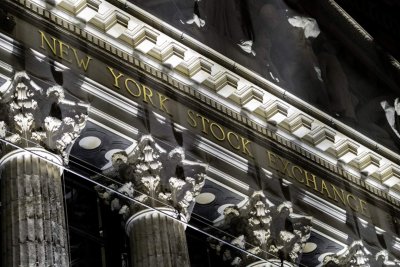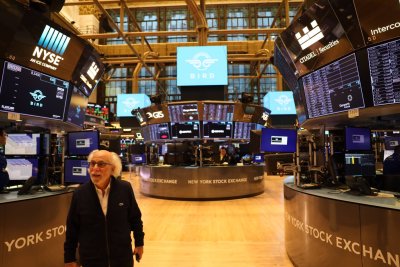
U.S. stock indices moved higher during Thursday's afternoon session, recovering from a volatile morning as developments in the Middle East provided some relief to energy markets. By 1:00 p.m. Eastern Time, the Dow Jones Industrial Average had advanced 337 points, or 0.7%. The S&P 500 index gained 0.6%, while the technology-heavy Nasdaq Composite increased by 0.7%.
Oil Prices Retreat on Diplomatic Headlines
The trading session saw a significant shift in sentiment. Earlier in the day, West Texas Intermediate crude oil futures had surged toward $103 per barrel, extending recent gains driven by supply concerns. However, prices retreated following an announcement from Israel regarding plans for direct talks with Lebanon. This diplomatic development helped stabilize crude markets and broader risk assets, with oil settling near $97 per barrel by the afternoon.
Thursday's gains followed a substantial rally in the previous session. On Wednesday, the Dow had surged 2.85%, marking its strongest single-day percentage advance in a year. The S&P 500 climbed 2.51%, while the Nasdaq jumped 2.80%. That rally was fueled by news of a Pakistan-brokered, two-week ceasefire between the United States and Iran, which sent oil prices lower and boosted shares of airlines, cruise operators, and other companies sensitive to energy costs.
Amazon Leads with Strong AI Revenue Figures
Technology giant Amazon.com provided significant support to the market on Thursday. Chief Executive Officer Andy Jassy revealed that the company's Amazon Web Services artificial intelligence services have reached an annualized revenue run rate exceeding $15 billion. This milestone, calculated from current performance metrics, demonstrates the rapid adoption of AI cloud services. For context, Microsoft disclosed in January that its own AI business had achieved a $13 billion annual run rate by late 2024.
Not all technology shares participated in the advance. Software companies Adobe and Salesforce experienced share price declines as Anthropic's latest AI model raised fresh concerns about generative artificial intelligence disrupting traditional software markets. Brian Mulberry of Zacks Investment Research characterized Amazon's revenue figure as "a strong validation" of AI demand, while Steve Sosnick of Interactive Brokers noted that investors were "getting back" to worrying about AI's competitive impact on established software providers.
Economic Data and Federal Reserve Policy
On the macroeconomic front, the Bureau of Economic Analysis reported that the personal consumption expenditures price index—the Federal Reserve's preferred inflation gauge—increased 0.4% in February. This brought the year-over-year reading to 2.8%. Separately, fourth-quarter gross domestic product was revised downward to an annualized rate of 0.5%. Market participants are now awaiting March consumer price index figures, scheduled for release Friday at 8:30 a.m. ET by the Bureau of Labor Statistics.
The Federal Reserve returned to market focus with the release of minutes from its March 17-18 policy meeting. The document revealed that officials are increasingly willing to consider raising interest rates should inflation prove more persistent than anticipated. In response, traders significantly dialed back their expectations for monetary easing. Money markets now price approximately a 30% probability of a quarter-point rate cut by year-end, a sharp decline from the 56% probability priced the previous day.
Persistent Supply Chain Concerns
The ongoing disruption in global shipping routes continues to present a significant risk. Earlier Thursday, vessel traffic through the critical Strait of Hormuz—a vital passage for Middle Eastern oil exports—was operating at less than 10% of typical levels. Analysts at Macquarie, led by Thierry Wizman, warned that "upward pressure on oil may be 'here to stay for a while.'" Should this bottleneck persist and keep crude prices elevated, equity markets could face a more prolonged supply shock that would pressure corporate margins and consumer spending.
Market participants continue to react to any indications that Middle Eastern conflicts might de-escalate, but with Friday's inflation data looming and U.S. crude holding near $97, Thursday's stock gains appear more reflective of temporary relief than signaling a sustained recovery. The convergence of geopolitical developments, corporate earnings drivers like artificial intelligence, and shifting central bank expectations creates a complex backdrop for investors navigating the second quarter of 2026.