European equity markets faced pressure at the open on Monday as a sharp escalation in Middle East tensions triggered a surge in oil prices and renewed concerns over global supply chains. Brent crude futures rallied 6.4% to $77.57 per barrel following military strikes by U.S. and Israeli forces on Iranian targets. The geopolitical shockwave sent FTSE 100 index futures down 0.6% ahead of the London session, with similar declines seen in EuroSTOXX 50 and German DAX futures.
FTSE 100's Historic February Rally
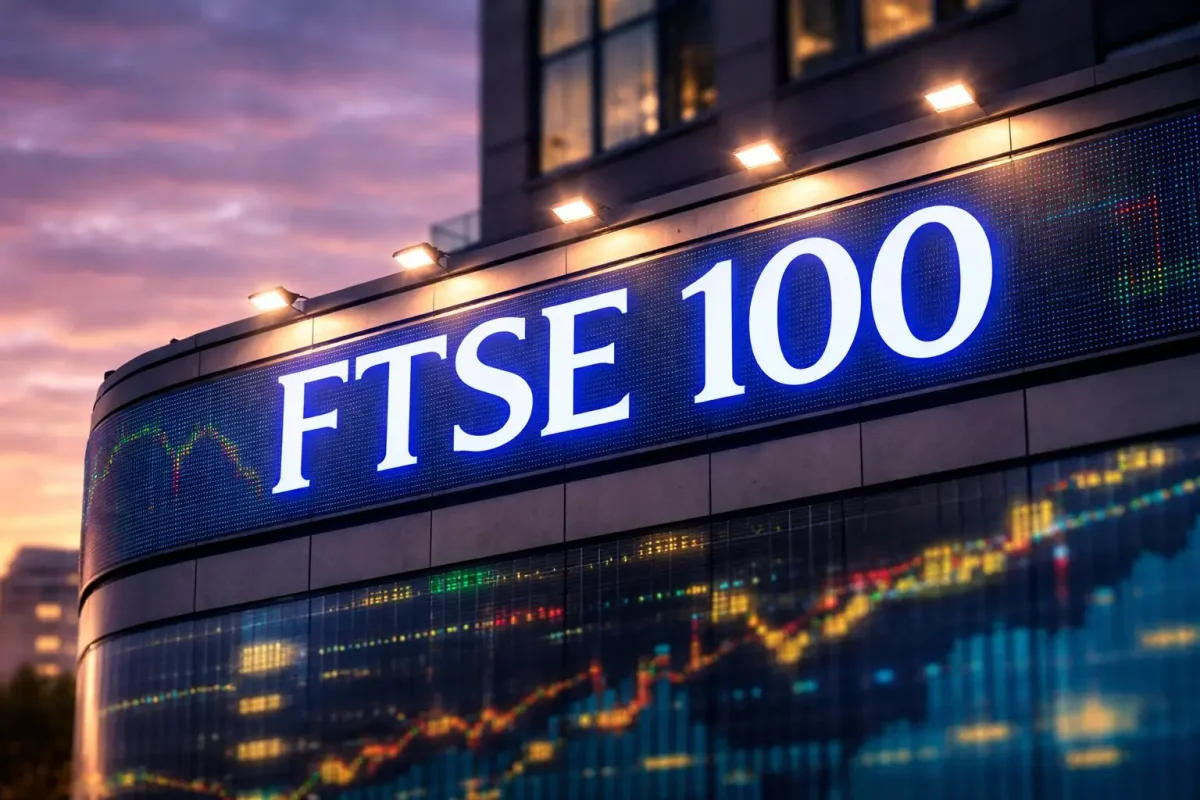
The sell-off in futures contrasted sharply with the historic performance of the underlying London market just days prior. On Friday, the FTSE 100 closed at a record 10,910.55, marking its third consecutive record finish. The blue-chip index posted a robust monthly gain of 6.7% throughout February, extending its winning streak to eight months—the longest such run in over a decade.
The rally has been characterized by a significant rotation into defensive and tangible asset sectors. Investors have favored miners and industrial companies, often labeled "Halo" or "heavy-asset" stocks, which are perceived as less vulnerable to technological disruption compared to high-growth tech names. This shift comes as market participants grow wary of stretched valuations in artificial intelligence-related equities and seek exposure to more established infrastructure and utility businesses.
Corporate Catalysts: Buybacks and Earnings
Individual corporate actions provided substantial fuel for the index's ascent. Engineering giant Rolls-Royce Holdings saw its shares soar approximately 6% to a record 1,383 pence after reporting a 40% jump in annual profit. The company further delighted investors by unveiling an ambitious share repurchase program valued between £7 billion and £9 billion, scheduled for 2026-2028, alongside a maintained dividend.
In a separate major move, London Stock Exchange Group announced its largest-ever buyback, a £3 billion program, sending its shares up more than 9%. CEO David Schwimmer emphasized the unique value of the group's data assets, stating it was "verging on impossible" for AI to replicate its proprietary datasets, and highlighted partnerships with AI firms OpenAI and Anthropic.
Banking giant HSBC also contributed to the positive sentiment, surging 7.9% after raising a key profitability target. Analysts noted the bank's refined, wealth-focused strategy appeared to be yielding results.
The Inflationary Threat of Higher Oil
Monday's oil price spike, however, introduces a familiar headwind. Analysts immediately drew parallels to past oil crises. Rystad Energy's Jorge Leon warned of an "effective halt" in traffic through the critical Strait of Hormuz, while Wood Mackenzie's Alan Gelder pointed to the 1970s oil embargo as a "nearest historical analogue."
The central dilemma for investors is whether the boost to oil and mining company share prices from higher crude will be offset by broader market damage. Sustained elevated energy prices risk rekindling inflationary pressures, potentially delaying interest rate cuts from central banks and tightening financial conditions. Sectors with high fuel consumption, such as airlines and industrials, could face significant margin pressure.
Market Resilience Faces New Test
For months, the FTSE 100 has demonstrated a remarkable ability to overlook negative headlines, driven by strong corporate fundamentals and attractive valuations relative to global peers. The index's February advance was its largest monthly gain in more than three years, pushing it above the 10,900 level for the first time and leaving it up 9.86% year-to-date.
Yet, the market's new challenge is both simple and profound: the return of volatile energy markets driven by geopolitics. The immediate focus will be on whether the index's defensive tilt and momentum can withstand a sustained oil shock—a variable that pays no heed to company valuations or technical charts. The opening bell on Monday served as the first test of this renewed fragility.