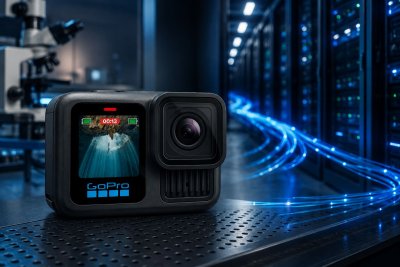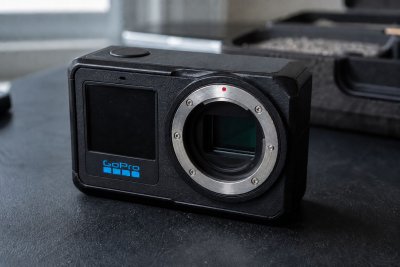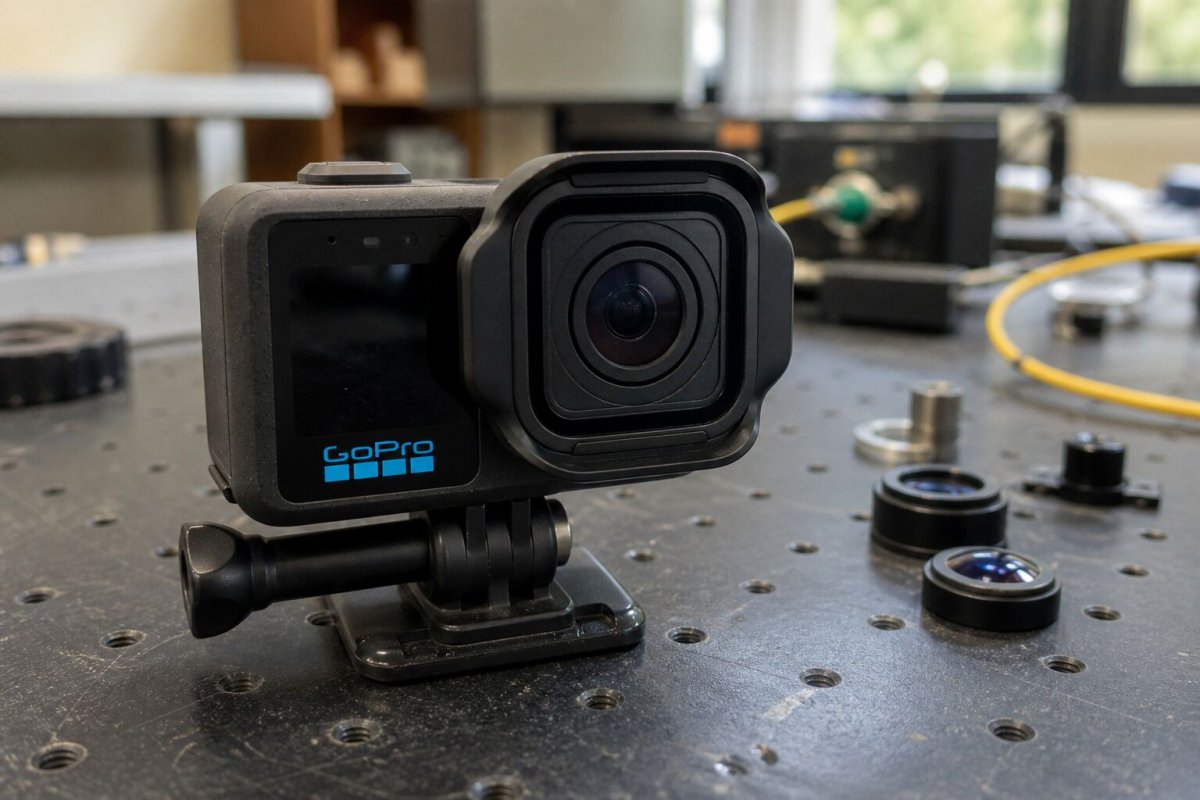
GoPro, Inc. (NASDAQ: GPRO) experienced a dramatic surge on Tuesday, with shares closing at $1.24, up 41.5% on extraordinary volume of 493.6 million shares—roughly 37 times its 30-day average. The rally followed the announcement of a merger agreement with Starman Optical, which proposed a cash consideration of $1.14 per share, alongside a retained equity stake of approximately 10% in the combined company.
Merger Terms and Market Reaction
The deal values GoPro's equity at $1.14 per share in cash, but the market's close at $1.24 indicates a premium of 10 cents, or 8.8% above the cash component. This premium reflects investor expectations regarding the uncertain equity stub, potential working capital adjustments, and closing risks. After hours, the stock was quoted at $1.18, still four cents above the cash offer, suggesting residual optimism.
Starman Optical will fund $285 million in aggregate cash and repay approximately $92 million of GoPro's debt at closing. Existing shareholders will retain a roughly 10% ownership interest in the combined entity. The proposed merger provides a more durable financial anchor for GoPro, which has faced significant operational challenges.
Operational Struggles and Liquidity Concerns
GoPro's financial performance has deteriorated sharply. Second-quarter revenue fell 31% year-over-year to $105 million, while camera sell-through dropped 38% to approximately 291,000 units. The company reported a GAAP net loss of $51 million, compared to a $16 million loss in the prior-year period, and an adjusted EBITDA loss of $29 million, versus a $6 million loss last year.
Despite the overall decline, there were bright spots: subscription and service revenue rose 11% to $29 million, representing 28% of total sales, and GoPro.com revenue gained 13% to $47 million. However, retail revenue plummeted 48% to $58 million.
Liquidity has been a pressing concern. As of June 30, GoPro held only $27.3 million in cash against $87.2 million in principal debt. First-half operating cash outflow was $47.4 million, underscoring the urgency of the recapitalization.
Market Context and Catalysts
The stock's surge was not solely driven by the merger news. Earlier in the week, Mark Edward Fischbach, known as Markiplier, disclosed a passive stake of 13.5 million Class A shares, or 8.5% of the company, in a regulatory filing. This helped ignite the first leg of the rally, with shares more than doubling across two sessions.
Founder and CEO Nicholas Woodman expressed enthusiasm for the deal, describing Starman as "a leading American imaging and optical solutions company." Starman brings expertise in optical transceivers and planned U.S. manufacturing, while GoPro contributes its camera technology, software, and a portfolio of more than 2,500 U.S. patents.
Risks and Next Steps
Investors should note several risks: the merger could fail or be delayed, net working capital adjustments could alter the cash payment, and Starman's private finances remain thinly disclosed, making the 10% equity stake difficult to value. Shareholder and regulatory approvals are still required, with a targeted year-end close.
In the coming week, market participants will focus on proxy details, financing evidence, and any competing proposals. The absence of an earnings report leaves the spotlight on merger-related developments.