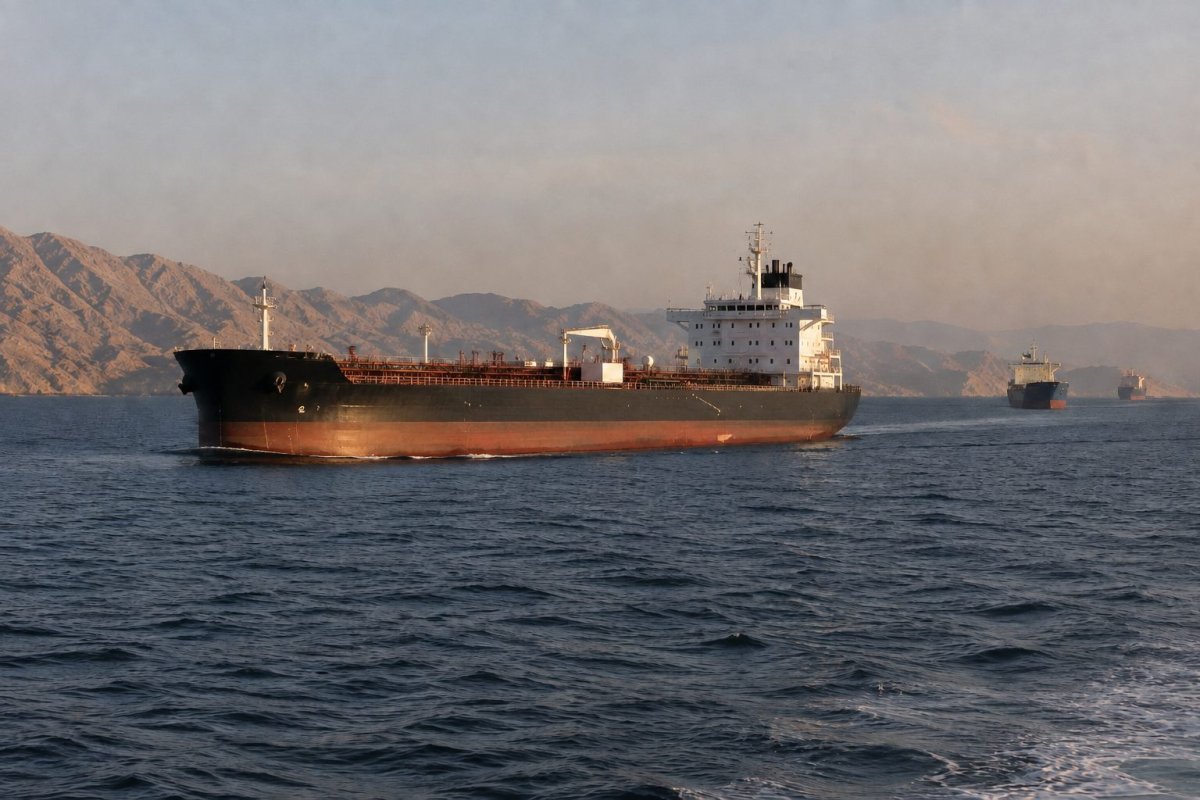
Oil markets rallied sharply on Monday as geopolitical tensions in the Strait of Hormuz escalated, with Brent crude closing 2.65% higher at $90.87 per barrel. The surge followed Iran's threat of a "fully offensive" approach after US negotiations stalled, and physical data confirmed a dramatic drop in vessel traffic through the critical waterway.
According to Kpler, only five commodity ships transited Hormuz on Saturday and none on Sunday, a staggering 83.9% decline from the 31 vessels recorded during the previous weekend. This near-halt in traffic underscores the severity of the disruption and has shifted market focus from rhetoric to tangible supply risks.
The June agreement between Iran and Washington established a 60-day window for broader talks, which expired on Monday. A senior Iranian official indicated that Tehran is prepared to take military action if the interim arrangements are not fulfilled in the coming weeks, heightening uncertainty in the region.
Potential Risk Premium Scenarios
Rystad Energy projects a $5 to $10 per barrel geopolitical premium if a limited agreement is reached, but a no-deal scenario could sustain a premium of $10 to $20. Based on Monday's close, the higher estimate represents 22% of the barrel's value. This wide range reflects the market's uncertainty over the outcome of negotiations and the potential for further supply disruptions.
SEB Research analyst Bjarne Schieldrop commented, "For now, prices are trading close to $90 as traders weigh the risk of deeper disruption and shortages against the possibility of a resolution." The market remains highly sensitive to headlines and physical flow data.
Impact on Oil Stocks
Equities tied to oil advanced alongside crude prices. Chevron (NYSE: CVX) closed up 1.35% at $202.70, Occidental Petroleum (NYSE: OXY) rose 1.17% to $59.04, while ConocoPhillips (NYSE: COP) gained 0.62% to $127.56, underperforming its peers despite its upstream focus.
Analyst sentiment varies among the three. ConocoPhillips offers the highest average potential upside at 15.29%, with a target of $147.06. Chevron leads in buy recommendations, with 13 out of 17 analysts rating it a buy, while Occidental has more hold ratings (9) than buys (6), indicating cautious optimism.
Supply Chain Vulnerability
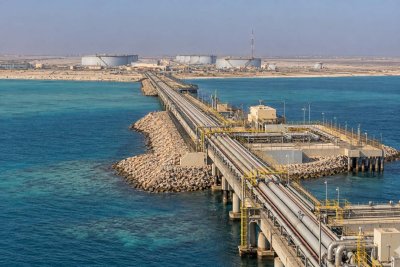
The Strait of Hormuz is a vital artery for global oil, carrying approximately 20.9 million barrels per day in early 2025, nearly 20% of global petroleum liquids consumption. While Saudi Arabia and the UAE have pipeline capacity to redirect around 4.7 million barrels per day, over 16 million barrels per day lack viable alternative routes, leaving the market acutely exposed to any disruption.
The bottleneck explains the uneven pricing and the significant risk premium. A prompt resumption of vessel traffic could quickly erase the premium, but a halt in residual crude shipments or disturbances at Bab el-Mandeb could amplify the supply shock, extending the impact beyond Hormuz.
What to Watch
Investors should monitor verified vessel transits rather than political statements. With only five transits over the weekend, there is little flexibility in the schedule. A steady return to the earlier level of 31 vessels would undermine the bullish outlook for oil, while any further decline could push prices higher.
As the situation evolves, the market remains on edge, with the risk premium likely to persist until there is clarity on both diplomatic and physical supply fronts.