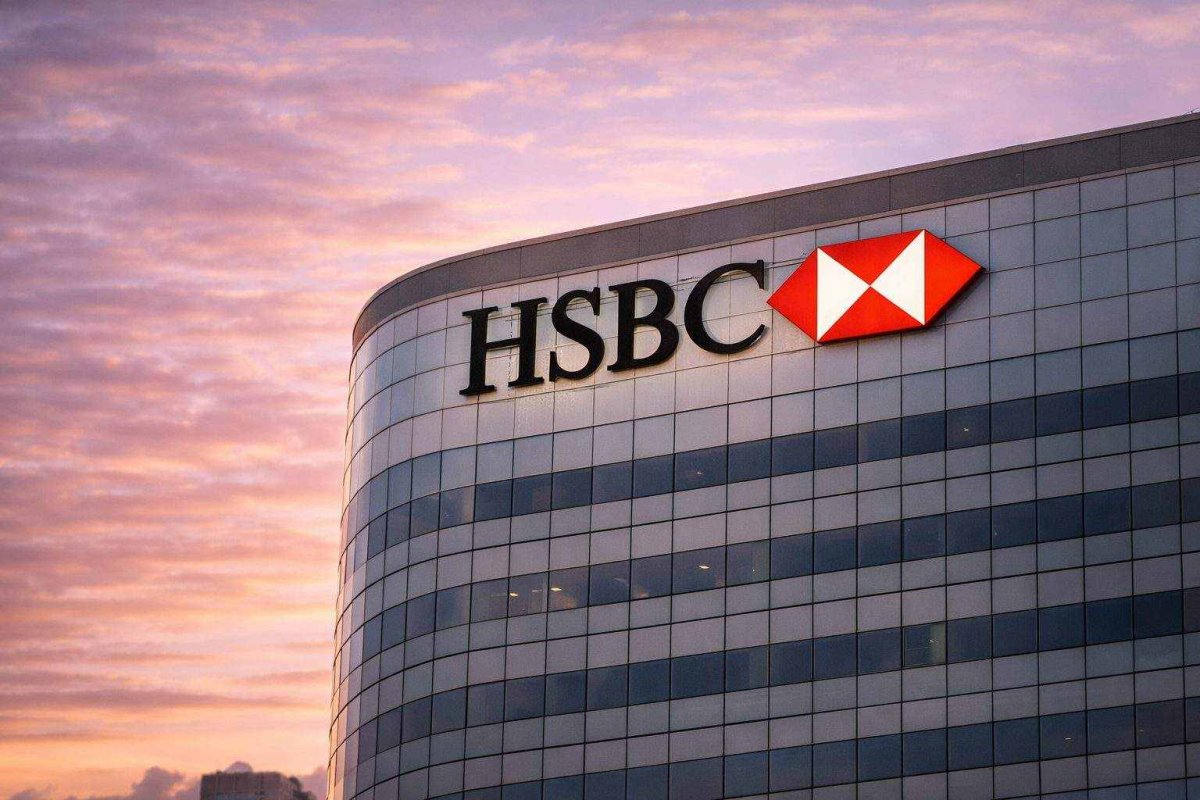
Shares of HSBC Holdings Plc declined sharply in London trading, extending losses from the previous week as escalating tensions in the Middle East triggered a surge in energy prices. The move higher in crude oil has introduced fresh uncertainty into the monetary policy landscape, prompting a broad selloff across the UK banking sector.
By mid-morning, HSBC stock was down 2.5% to 1,299 pence, retreating from Monday's close of 1,332 pence. The FTSE 100 heavyweight was not alone in the downturn. Peers Barclays and Lloyds Banking Group also traded lower, reflecting a sector-wide reassessment of risk. As a bellwether for European financials, HSBC's performance often signals broader market sentiment toward lenders.
Oil Shock Complicates the Inflation and Rate Picture
The immediate catalyst for the weakness stems from the conflict-driven rally in oil prices. While banks typically benefit from higher interest rates through improved net interest margins, a supply-driven spike in energy costs presents a more complex scenario. The primary concern for markets is that persistent oil strength could reignite inflationary pressures, potentially forcing central banks to maintain a restrictive policy stance for longer than currently anticipated.
This dynamic has already begun to shift rate expectations. Traders have scaled back bets on an imminent interest rate cut from the Bank of England, wary that stubborn inflation could delay policy easing. The uncertainty poses a dual threat to banks: it could dampen loan demand from businesses and households facing a cost-of-living squeeze, while also raising the risk of deteriorating credit quality.
Corporate Updates and Insider Sales
Amid the market volatility, HSBC issued several corporate announcements. The bank disclosed a planned leadership transition at its major UK subsidiary, HSBC UK Bank plc. Dame Clara Furse, the current non-executive chair, is set to step down in the first half of 2026. She is expected to be succeeded by Dame Carolyn Fairbairn, subject to regulatory approvals. Group Chairman Brendan Nelson highlighted Fairbairn's deep understanding of the UK business and regulatory environment as a significant asset.
In a separate regulatory filing, HSBC reported that two senior executives disposed of shares in late February. Group Chief Operating Officer Suzanna White sold 35,000 shares at a price of £13.766 each. Stuart Riley, the Group Chief Information Officer, parted with 124,586 shares at £13.762 apiece. Such disclosures are standard for Persons Discharging Managerial Responsibilities (PDMR).
The bank has also filed its annual Form 20-F report with the U.S. Securities and Exchange Commission for the year ended December 31, 2025. This document, which provides a comprehensive overview for investors, is available on the company's website.
Earnings Focus and Forward Guidance
Investors continue to digest HSBC's late-February earnings report. The bank reaffirmed its commitment to improving profitability, setting a target for a return on tangible equity of at least 17% through 2028. However, annual profit for 2025 dipped due to one-off charges. Chief Executive Georges Elhedery characterized the institution as evolving into a "simpler, more agile, and focused bank."
Key Calendar Milestones for Investors
Attention now turns to several near-term events that could influence the stock. HSBC shares are scheduled to trade ex-dividend in London on March 12, with a record date of March 13 and payment slated for April 30. This event often leads to share price adjustments as the right to the dividend is removed.
More broadly, the market's focus is firmly on the Bank of England's next monetary policy decision, scheduled for March 19. The central bank's assessment of the economic impact from the Middle East conflict and the ensuing oil price movement will be critical. Officials, including the Bank of England's Alan Taylor, have cautioned that it is too early to gauge the full effect on Britain's economy, but the surge in energy costs has undoubtedly rattled confidence in a swift pivot to rate cuts.
The path forward for UK bank stocks appears closely tied to developments in the Middle East, the trajectory of oil prices, and movements in government bond (gilt) yields. Traders will be monitoring whether expectations for UK interest rates shift again in the lead-up to the March 19 meeting. The persistence of high oil prices or a deepening of supply chain disruptions could cement fears of stickier inflation, keeping pressure on the sector even if near-term margins appear supportive.