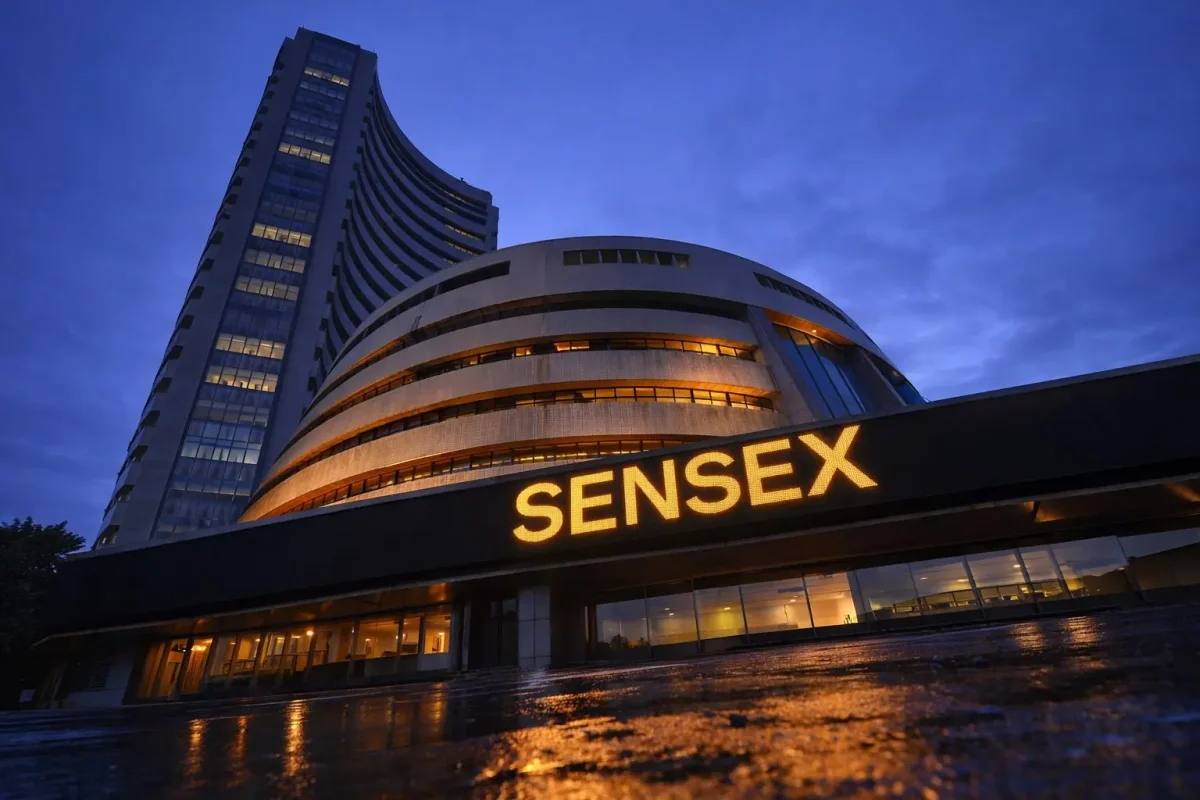
Indian equity markets closed higher on Tuesday, extending gains for a second consecutive session. The benchmark Nifty 50 index rose 0.68% to settle at 23,123.65, while the Sensex climbed 510 points, or 0.69%, to finish at 74,616.58. The advance was broad-based, with fourteen out of sixteen sectoral indices ending in positive territory.
IT Sector Fuels Market Advance
The information technology sector emerged as the primary driver of the day's gains, with the sectoral index surging approximately 2.5%. Major constituents including Wipro, Tata Consultancy Services, HCLTech, and Infosys posted significant advances. Analysts attributed the move to value buying ahead of the March-quarter earnings season, which kicks off with TCS's results on Thursday. Anita Gandhi of Arihant Capital Markets noted that while pre-earnings positioning was evident, the sustainability of the rally would depend heavily on the forward guidance provided by company managements.
Metals Gain on Analyst Upgrades
The metals sector also performed strongly, adding roughly 1.6%. Hindalco Industries and Vedanta were notable outperformers, rising nearly 3% and 3.4% respectively. The moves followed JPMorgan's decision to upgrade both stocks to an "overweight" rating, citing improved fundamentals and outlook.
Other sectors such as financials, banks, automobiles, and real estate recorded more modest gains. The market's tone was supported by expectations that the Reserve Bank of India (RBI) would maintain the status quo on its benchmark repo rate, currently at 5.25%, during its monetary policy announcement scheduled for Wednesday.
External Headwinds and Currency Support
Despite the positive domestic session, significant external headwinds persist. According to data cited by Reuters, foreign portfolio investors have withdrawn close to $16 billion from Indian equities through March and April. Further highlighting the caution, National Securities Depository data showed a record outflow of 606.55 billion rupees from financial stocks in March alone.
These outflows are largely attributed to global concerns, including elevated crude oil prices hovering near $110 per barrel and geopolitical tensions. Traders are closely monitoring a deadline set by U.S. President Donald Trump for Iran regarding the Strait of Hormuz, which falls at 5:30 a.m. IST on Wednesday. High oil prices threaten to increase India's import bill, spur inflation, and compress corporate margins.
Providing some counterbalance, the Indian rupee strengthened to 93.0075 against the U.S. dollar, its highest level since mid-March. Analysts like Abhinav Tiwari of Bonanza pointed to "currency comfort, policy stability expectations, and improving earnings sentiment" as key factors shaping the day's positive mood.
Mixed Broader Market Performance
Broader market performance was mixed. The mid-cap index edged up 0.2%, while the small-cap index dipped 0.1%. Market volatility, as measured by the India VIX, declined by 2.77%. On the individual stock front, Jubilant FoodWorks plunged 10.4% after a business update raised concerns about weaker March-quarter earnings. Overall market breadth was positive, with 2,539 stocks advancing compared to 1,514 that declined.
Analysts Urge Caution Amid Concentrated Gains
Market observers cautioned that Tuesday's rally might be limited in scope and duration. Vinod Nair of Geojit Investments highlighted that gains were "largely confined" to the IT, FMCG, and metals sectors, while most others struggled to keep pace. Rupak De of LKP Securities added that ongoing conflict in the Middle East could continue to fuel volatility for Indian equities.
Investors now await the RBI's policy decision for signals on interest rates, liquidity measures, and its approach to currency management. Subsequently, the focus will shift to the onset of earnings season, with TCS's report on Thursday serving as the first major test for the early momentum seen in technology stocks.