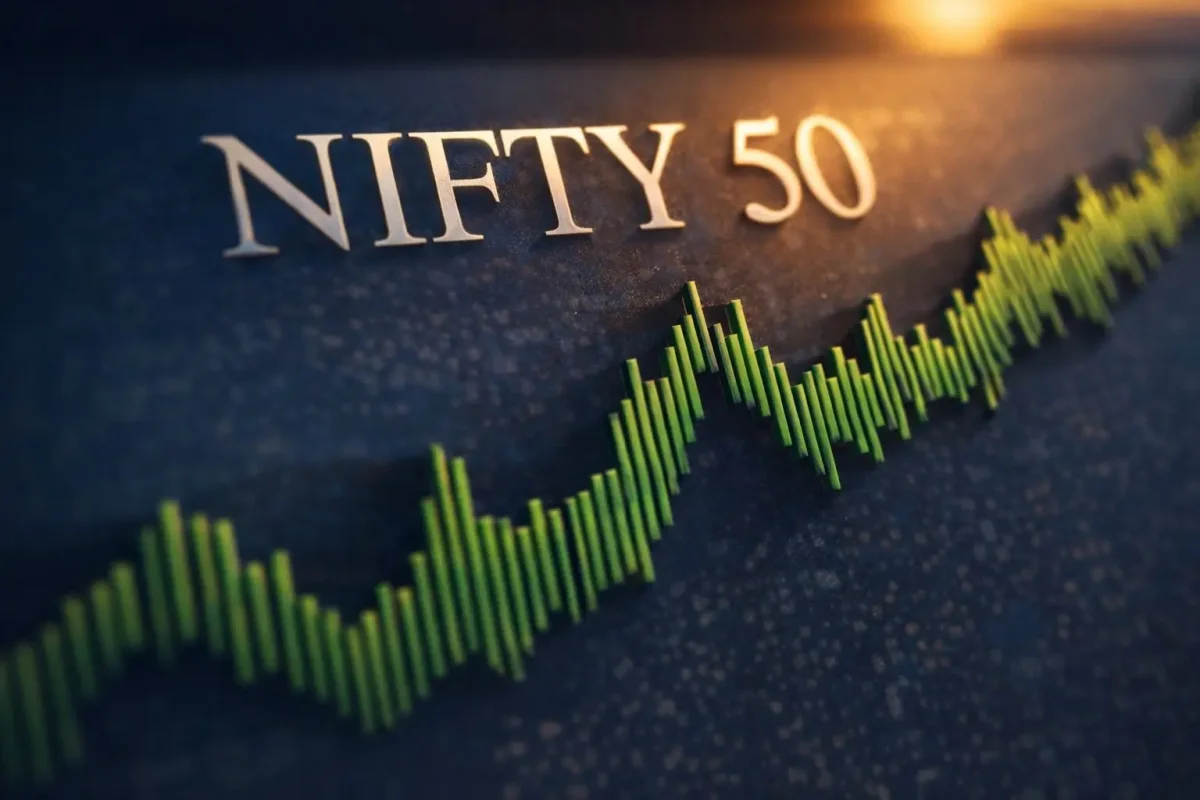
Indian equity markets staged a notable recovery on Thursday, March 5, 2026, breaking a three-session decline. The benchmark Nifty 50 index closed at 24,765.90, registering a gain of 1.17%. The BSE Sensex followed suit, advancing 1.14% to finish the trading day at 80,015.90. This rebound provided some relief to investors after a period of sustained selling pressure linked to geopolitical tensions and volatile energy prices.
Heavyweights and Metals Drive the Rally
The session's upward momentum was primarily fueled by heavyweight Reliance Industries, which saw its shares climb 3.3%. The move came after analysts from prominent brokerages, including JM Financial and CLSA, suggested the stock's recent selloff had been overdone. This sentiment helped propel the energy sector higher. Concurrently, metal stocks exhibited significant strength, with the Nifty Metal index surging 2.3%. Notable performers included Hindalco Industries, up 3.6%, and National Aluminium, which jumped 6%.
The rally in metals was attributed to renewed supply concerns. Citigroup revised its short-term price target for London Metal Exchange aluminium upwards to $3,600 per metric ton. This adjustment followed Aluminium Bahrain's declaration of force majeure, as it cannot ship material through the critical Strait of Hormuz due to regional disruptions.
Broader Market Context and Analyst Caution
Despite the positive close, market participants expressed caution regarding the sustainability of the bounce. "Today's market uptick is a temporary bounce," noted Anita Gandhi, head of institutional business at Arihant Capital Markets. This view was echoed by other observers who pointed to the rapid shift in market headlines and underlying macroeconomic pressures.
The market had endured a challenging period leading up to Thursday's session, with both major indices shedding approximately 4% over the prior three trading days. India's volatility index, a key fear gauge, had spiked to levels last seen in May 2025. Arun Kejriwal, founder of Kejriwal Research and Investment Services, commented on the recent risk-off sentiment, stating, "Markets always take the easy way out, which is to exit when in doubt."
Currency and Commodity Dynamics
In the currency market, the Indian rupee mirrored the equity rebound, firming by 0.6% to close at 91.60 against the US dollar. The appreciation was supported by intervention from the Reserve Bank of India, which sold dollars via state-run banks. Sameer Karyatt of DBS Bank India indicated that the central bank would likely act again to curb "excessive volatility," especially with ongoing geopolitical risks.
The global energy complex remained a focal point. Brent crude futures surged 3.66%, or $2.98, to settle at $84.38 per barrel. The increase was driven by shipping disruptions near the Strait of Hormuz, a vital chokepoint for global oil shipments. Analysts from JPMorgan warned that oil flows from Iraq and Kuwait could be halted within days if the strait remains closed. According to Reuters estimates using MarineTraffic data, at least 200 vessels, including oil and LNG tankers, were anchored near Gulf exporters, with at least eight vessels reportedly struck since the conflict began.
Risks and Trader Focus
The durability of Thursday's market recovery is heavily contingent on external factors. Traders remain on high alert for overnight swings in oil prices and any signs that the Strait of Hormuz might reopen. A renewed spike in crude prices or another bout of rupee weakness could swiftly refocus attention on inflation concerns for the import-dependent Indian economy.
Desks are closely monitoring heavyweight stock movements as a barometer for broader index direction. Furthermore, attention is shifting to the upcoming U.S. February non-farm payrolls report, scheduled for release on Friday, March 6. This data point is a critical input for Federal Reserve interest rate expectations. A Reuters poll of economists forecasts a gain of 59,000 jobs, with the unemployment rate expected to hold steady at 4.3%.
In summary, while Indian markets enjoyed a respite from selling pressure, the rally's foundation appears fragile. The interplay between geopolitical developments, commodity price trajectories, and central bank policies will likely dictate near-term market direction, with traders navigating a complex landscape of competing risks and opportunities.