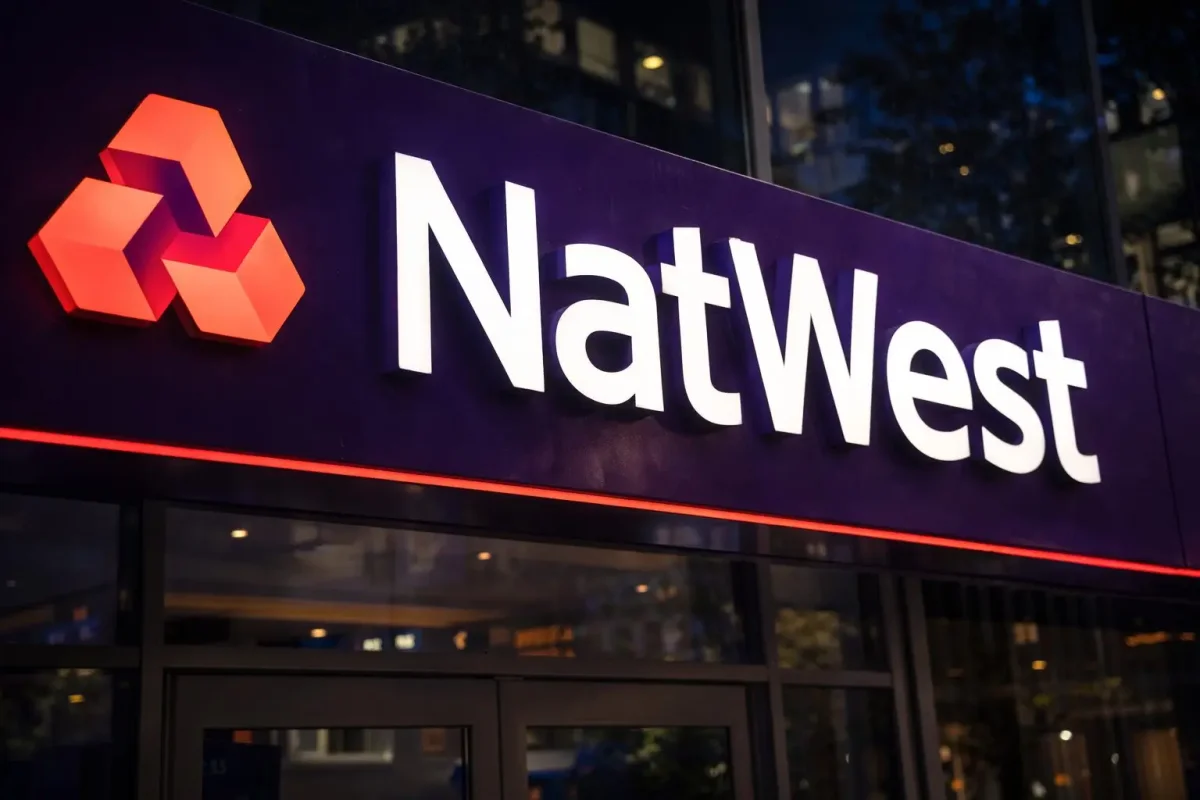
Shares of NatWest Group Plc dropped sharply in early London trading on Tuesday, March 3, 2026, falling 2.3% to 587.4 pence by 0906 GMT. The decline erased gains from the previous session's close at 601 pence and mirrored a broader retreat across the UK banking sector.
Market-Wide Pressure from Energy Volatility
The selloff was part of a wider market downturn, with the FTSE 100 index falling approximately 2%. The primary catalyst was a significant surge in oil prices, which jumped nearly 7% on Monday as geopolitical tensions in the Middle East escalated. This sharp increase prompted a flight to safe-haven assets and raised fresh concerns about persistent inflationary pressures.
Dan Coatsworth, head of markets at AJ Bell, noted that the market is beginning to worry about new inflationary impulses stemming from the energy shock. This anxiety has led traders to scale back their expectations for imminent interest rate cuts from the Bank of England. The situation underscores a critical vulnerability for UK banks, which are highly sensitive to shifts in both energy prices and interest rates. Higher energy costs can fuel inflation, but also increase the risk of loan defaults as household and business budgets become stretched.
European Contagion and Economic Warnings
The strain was not confined to the United Kingdom. European equity markets also slid on Tuesday, with a key regional bank index down 2.6% as of 0804 GMT. Investors are grappling with the prospect of a prolonged conflict and its potential to drive up the cost of living. European Central Bank chief economist Philip Lane highlighted the risk that a protracted war could push inflation higher while simultaneously dragging on economic growth.
Fiscal and Monetary Policy Crossroads
Investors are now looking ahead to two key events. First, Finance Minister Rachel Reeves is scheduled to present a spring budget update on Tuesday. The Office for Budget Responsibility, Britain's fiscal watchdog, will release its latest economic projections concurrently. Reeves is expected to argue that the government possesses the "right economic plan for our country." Analysts offered mixed expectations; Ken Egan of Kroll Bond Rating Agency suggested the update might be "as dialled back as possible," while Henry Cook from MUFG noted Reeves has "won a fair amount of credibility" among market participants.
Second, all eyes will turn to the Bank of England's Monetary Policy Committee meeting, with its rate decision scheduled for March 19. The Bank Rate currently stands at 3.75%. Within the Bank, official Alan Taylor has warned of a potential slide into "the familiar realm of deficient demand," tying his recent vote for a rate cut to softer inflation and labor market data. Taylor was among the minority voting last month for a reduction to 3.5%.
Corporate Actions and Market Dynamics
Beyond macroeconomic forces, NatWest has been active in returning capital to shareholders. According to a U.S. regulatory filing dated March 2, the bank repurchased 974,572 ordinary shares under its ongoing buyback program. The company intends to cancel these shares as part of its plan to reduce the total share count.
The current trade presents a two-sided risk. A subsequent drop in oil prices or any de-escalation in Middle East tensions could alleviate inflation fears, potentially providing a lift to bank stocks. Conversely, if energy prices remain elevated, the rising cost burden on consumers and businesses will keep credit risk at the forefront of investors' minds.
Market participants are closely monitoring how government bonds react to Finance Minister Reeves' fiscal update. This reaction will serve as a precursor to the market's response to the Bank of England's policy verdict later in the month. The interplay between fiscal stimulus and monetary restraint will be crucial in determining the near-term trajectory for UK financial stocks and the broader economy.