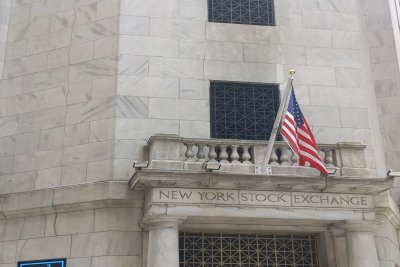
March 2, 2026 — Financial markets opened the week under intense pressure as geopolitical shocks reverberated across asset classes. The focal point was a sharp escalation in the Middle East following US and Israeli military strikes on Iran, which sent crude oil prices soaring and triggered a broad-based equity sell-off from Asia to Europe.
Navigator Holdings: Strong Performance Meets Valuation Concerns
Amid the turmoil, shares of Navigator Holdings Ltd. (NVGS) have demonstrated notable strength, rising 4.1% over the past week and posting a formidable 40.4% gain over the last year. The stock closed at $21.02, reflecting robust investor interest in the energy shipping firm's strategic position. However, this performance has prompted a closer examination of its underlying valuation.
An analysis using the Dividend Discount Model (DDM), a fundamental valuation method that estimates a stock's intrinsic value based on its projected future dividend payments discounted to present value, suggests significant overvaluation. The DDM calculation places NVGS's intrinsic value at $8.23 per share. This implies the current market price exceeds the model's fundamental estimate by approximately 155%. The company maintains a low dividend payout ratio of 15.7%, which allows for substantial earnings retention to fund growth initiatives. Nevertheless, according to this specific model, the market's optimism appears to be fully priced into the recent share performance.
Asian Markets Lead Global Sell-Off
The conflict's immediate impact was felt most acutely in Asian trading sessions. Japan's Nikkei 225 index plummeted as much as 2.15%, while Hong Kong's Hang Seng index fell 2.54%. Airline stocks across the region were particularly hard-hit, shedding over 5% collectively on fears of soaring fuel costs and disrupted travel. The sell-off was primarily driven by a dramatic spike in oil prices, with Brent crude futures initially surging 13% in early trading. This jump was fueled by acute fears over the potential closure of the Strait of Hormuz, a critical maritime chokepoint handling roughly one-fifth of global oil shipments. Although the price gain moderated by midday, the volatility underscored deep market anxiety.
Indian Equities Plunge on Dual Pressures
Indian benchmark indices suffered severe losses, grappling with the twin pressures of geopolitical risk and its domestic economic implications. The S&P BSE Sensex plummeted over 2,700 points in morning trade, breaching the 78,500 level and representing a drop of over 3.34% at the open. It later pared some losses to trade 1.02% lower by 10 a.m. local time. The NSE Nifty 50 mirrored the decline, falling over 500 points intraday. The combined market capitalization of companies listed on the BSE contracted by a staggering ₹8 lakh crore, sliding from ₹463.50 lakh crore to approximately ₹455 lakh crore.
Analysts directly linked the downturn to the escalating US-Iran conflict, the resultant energy price shock, and growing uncertainty around corporate earnings. India's heavy reliance on imported oil raises substantial concerns about a widening current account deficit, potential inflationary pressures, and subsequent weakness in the Indian rupee. Foreign capital outflows were cited as a contributing factor to the decline. Market experts cautioned that only a full closure of the Strait of Hormuz would likely trigger a more profound market crash, urging investors to avoid panic selling and consider accumulating quality domestic stocks in sectors like banking, automobiles, and defense during the volatility.
Cryptocurrency Shows Relative Resilience
In a contrasting display, Bitcoin exhibited notable resilience amidst the traditional market chaos. The premier cryptocurrency dipped a modest 2.2%, trading around $66,500 despite weekend volatility linked directly to the Iran tensions. Bitcoin's 24/7 market liquidity and its perceived role as an alternative asset provided a degree of support, highlighting its unique and evolving position during periods of acute geopolitical risk. This performance stood in stark relief against the steep declines seen in equity markets.
Prediction Market Windfall and Regulatory Scrutiny
A separate but related development emerged from prediction markets. A trader using the alias 'Magamyman' reportedly earned over $553,000 by betting on the removal of Iran's Supreme Leader Ayatollah Ali Khamenei on the Polymarket platform. The bets were placed just prior to the US and Israeli strikes that resulted in the deaths of Khamenei and top Iranian military leaders. This event occurred amid a backdrop of half a billion dollars in total wagers predicting the timing of US attacks on Iran.
The incident has intensified regulatory and ethical debates, prompting Senator Chris Murphy to call for legislation to ban such conflict-related betting. The White House denied any involvement by the Trump administration in the events. However, scrutiny increased as it was noted that Donald Trump Jr. serves as an adviser to Polymarket, which has also received investments from his firm. Previous instances of suspiciously timed bets and existing charges related to state secrets have fueled concerns about potential insider trading in geopolitical contexts.
IPO Market Feels the Chill
The risk-off sentiment extended to the primary market. Clean Max Enviro Energy Solutions, a renewable power firm, made a dismal trading debut on India's National Stock Exchange. Its shares listed at 960 rupees, a steep 16% discount to its issue price of 1,053 rupees, valuing the company at 103.32 billion rupees ($1.13 billion). The weak performance was attributed to tepid retail demand, with the IPO's retail segment seeing only a 6% subscription rate—one of the lowest in recent years. The company, which counts Amazon and Google among its clients, had raised $341 million in its offering. The debut aligns with a generally subdued environment for new listings in India, coinciding with the 1.24% drop in the Nifty 50 index.
Regulatory and Data Service Note
A standard regulatory update was issued pertaining to market and reference data providers, including ICE Data Services, FactSet, and Quartr. The notice highlighted the copyright and data rights of platforms such as FactSet Research Systems Inc., the American Bankers Association, and TradingView, Inc., which supply critical financial market data, identifiers like CUSIP codes, and SEC filings essential for investment analysis.