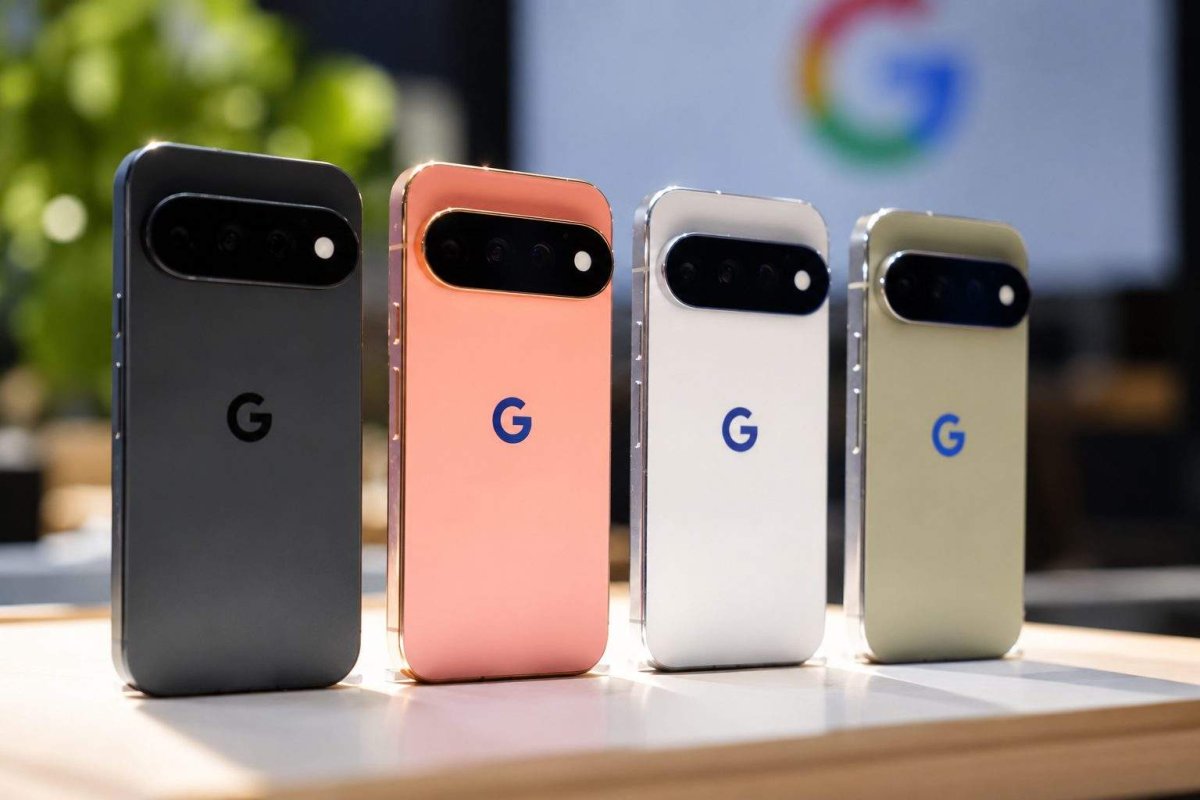
Alphabet Inc. (NASDAQ:GOOGL) has unveiled its Pixel 11 smartphone lineup with a $100 increase in starting prices across all models compared to the previous generation. The Pixel 11 now starts at $899, up from $799 for the Pixel 10, while the Pixel 11 Pro, Pixel 11 Pro XL, and Pixel 11 Pro Fold see similar hikes, with the foldable now commanding $1,899. This marks a deliberate move by Google to push its hardware further upmarket, but the initial preorder period is being shaped by substantial promotional offers from retail and carrier partners.
According to data from the launch weekend, consumers can access deals that effectively reduce the out-of-pocket cost of a new Pixel 11 by as much as $1,300 when factoring in trade-in credits and service plan incentives. These promotions vary by channel: Google's own store offers between $100 and $350 in store credit depending on the model, while Amazon provides a $100 gift card with trade-in options. Best Buy extends gift cards up to $350, and major U.S. carriers are offering plan credits that, in some cases, could fully offset the device cost.
For investors, the key question is whether the higher sticker price will translate into improved revenue per device for Alphabet. The company does not disclose Pixel-specific unit sales or revenue, but the device segment is reported under the broader Subscriptions, Platforms, and Devices category, which also includes Google Play and consumer subscriptions. That segment generated $12.9 billion in the second quarter of 2026, slightly below the $13.1 billion consensus estimate from Evercore ISI, highlighting the growing importance of Pixel as a strategic asset for Alphabet's AI ecosystem.
The promotional landscape underscores a complex dynamic: while Google is raising list prices, its partners are absorbing part of the consumer impact. This means that the full $100 increase may not flow directly to Alphabet's bottom line. The economics of these promotions are not fully transparent, and in some cases, Google may contribute through additional credits or trade-in programs. As a result, investors should not assume that the higher MSRP will automatically boost hardware gross margins.
Alphabet's broader financial picture remains dominated by its massive AI infrastructure investments. In the second quarter, the company reported revenue of $119.8 billion, with Google Cloud revenue surging 82% year over year. Capital expenditures doubled to $44.9 billion, and free cash flow turned negative at -$5.9 billion. These figures underline the intense spending required to compete in AI, and investors are closely watching for returns on that investment.
Institutional sentiment is mixed. Berkshire Hathaway increased its Alphabet stake by 83% in the second quarter, to nearly 106 million shares valued at about $37.8 billion as of June 30, making it the conglomerate's third-largest equity holding. Meanwhile, Wall Street analysts have adjusted their price targets following the earnings report. J.P. Morgan maintains an Overweight rating with a $420 target, while Bank of America holds a Buy with a $430 target. UBS and D.A. Davidson both have Neutral ratings, with targets of $379 and $350, respectively.
Alphabet's Class A shares closed Friday at $345.90, down 0.13%. The stock begins Monday trading below several bullish price targets, but remains near D.A. Davidson's neutral assessment. The market's focus will likely remain on Alphabet's ability to generate returns from its AI spending, with the Pixel 11 serving as a test case for consumer AI adoption.
Looking ahead, investors should monitor whether promotional incentives diminish after shipments begin on August 20, whether demand shifts toward the higher-margin Pro models, and whether Alphabet's upcoming results show acceleration in the Subscriptions, Platforms, and Devices segment. The Pixel 11 launch is less about immediate earnings impact and more about validating Google's pricing power in a competitive smartphone market.