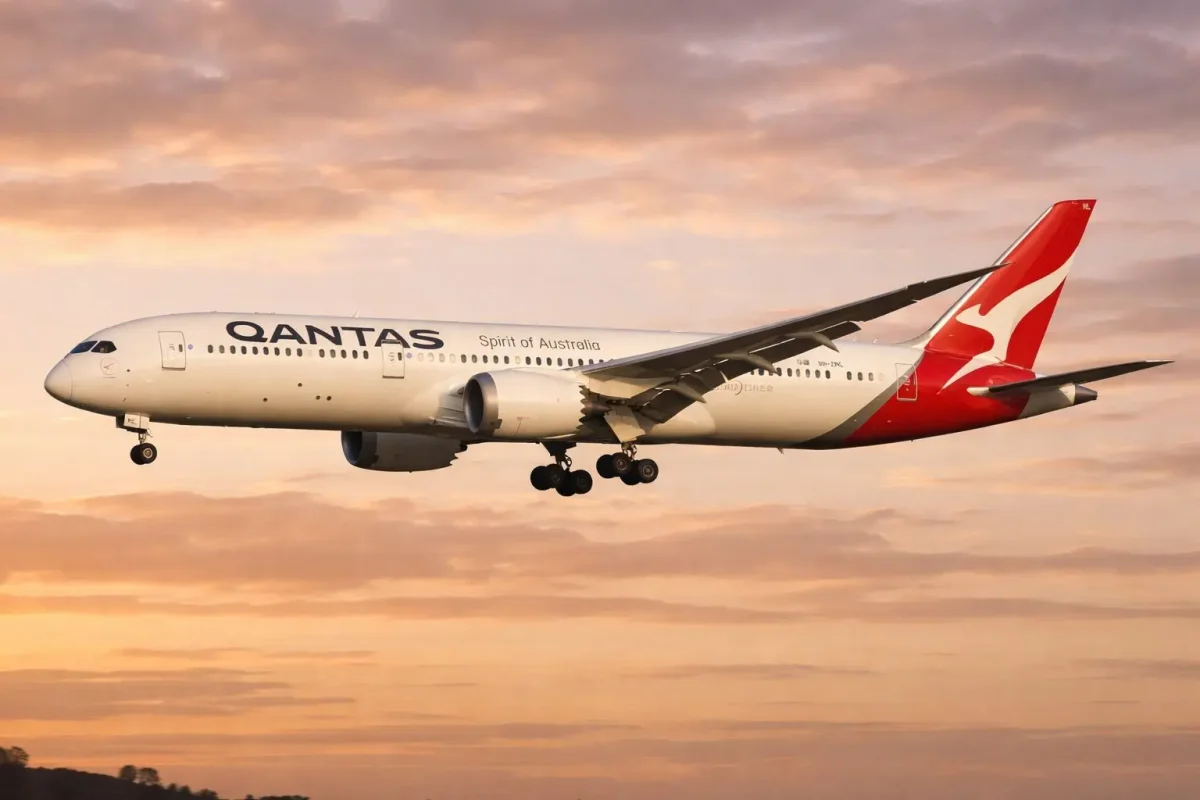
Shares of Qantas Airways Ltd. (ASX:QAN) declined sharply on Monday, closing 5.4% lower at A$9.41, as escalating geopolitical tensions in the Middle East triggered a broad selloff in airline stocks across the Asia-Pacific region. The selloff was primarily driven by investor fears over rapidly rising fuel costs and potential widespread travel disruptions following airspace closures around the conflict zone.
Oil Price Spike and Immediate Market Impact
The catalyst for the sector's weakness was a sharp spike in crude oil prices. Brent crude futures surged nearly 13% at the open of Asian trading before paring gains to settle around 7% higher. The benchmark was trading near $80 per barrel in over-the-counter markets on Sunday, with analysts warning that sustained trouble near the critical Strait of Hormuz could push prices toward $100. "The key factor here is the closing of the Strait of Hormuz," noted Ajay Parmar, director of energy and refining at ICIS.
Regional Airline Stocks Under Pressure
The pressure was not isolated to Qantas. Major carriers across the region saw significant declines. According to reports, shares in Cathay Pacific, Singapore Airlines, and Japan Airlines each slid more than 5% as investors reassessed the sector's outlook. Aviation analyst Nicole Lim of Morningstar highlighted the triple threat of rising fuel prices, flight cancellations, and the added expense of rerouting aircraft around closed airspace.
Operational chaos was evident at major hub airports. Dubai, Abu Dhabi, and Doha either shut down or imposed heavy restrictions, with regional airspace closures leaving thousands of passengers stranded and forcing airlines to scramble to cancel or reroute flights. "It's the sheer volume of people and the complexity," said UK-based aviation analyst John Strickland, describing the logistical nightmare.
Implications for Qantas and the Sector
While Qantas does not operate direct flights to the Middle East, it is not immune to the fallout. The disruption of major global aviation hubs has a cascading effect, potentially forcing carriers to operate longer, fuel-intensive routes to maintain connections or run half-empty flights simply to reposition aircraft and crews. The primary risk for Qantas and its peers is a prolonged period of elevated crude oil prices combined with ongoing bottlenecks at Gulf hubs, which would simultaneously raise operating costs and weaken travel demand.
Monday's decline in Qantas shares reflected these market jitters, with no company-specific news driving the move. The stock traded as low as A$8.92 during the session before recovering somewhat, as traders grappled with uncertainty over how long fuel prices would remain elevated and the extent of global schedule fallout.
Australian Market Context and Dividend Timing
Against the sector turmoil, the broader Australian market showed resilience. The S&P/ASX 200 index edged up a marginal 0.03% by the close, lifted by strength in energy and gold stocks while travel-related names struggled.
Investors are also factoring in an upcoming corporate event for Qantas. The airline's shares are scheduled to trade ex-dividend on March 10, meaning buyers after that date will not be entitled to the next interim payout, which is slated for payment on April 15. This timing can influence trading patterns and positioning, especially in a volatile market environment.
Outlook and Trader Focus
The immediate path for Qantas and the airline sector appears heavily tied to geopolitical developments and commodity markets. A rapid de-escalation of tensions would likely allow stocks to recoup a portion of Monday's panic-driven decline. Conversely, persistent conflict and high oil prices would extend the pressure on airline margins and profitability.
Moving forward, traders are expected to closely monitor crude oil prices and headlines from the Middle East. For Qantas specifically, the calendar will also draw attention to March 10 as the ex-dividend date approaches.