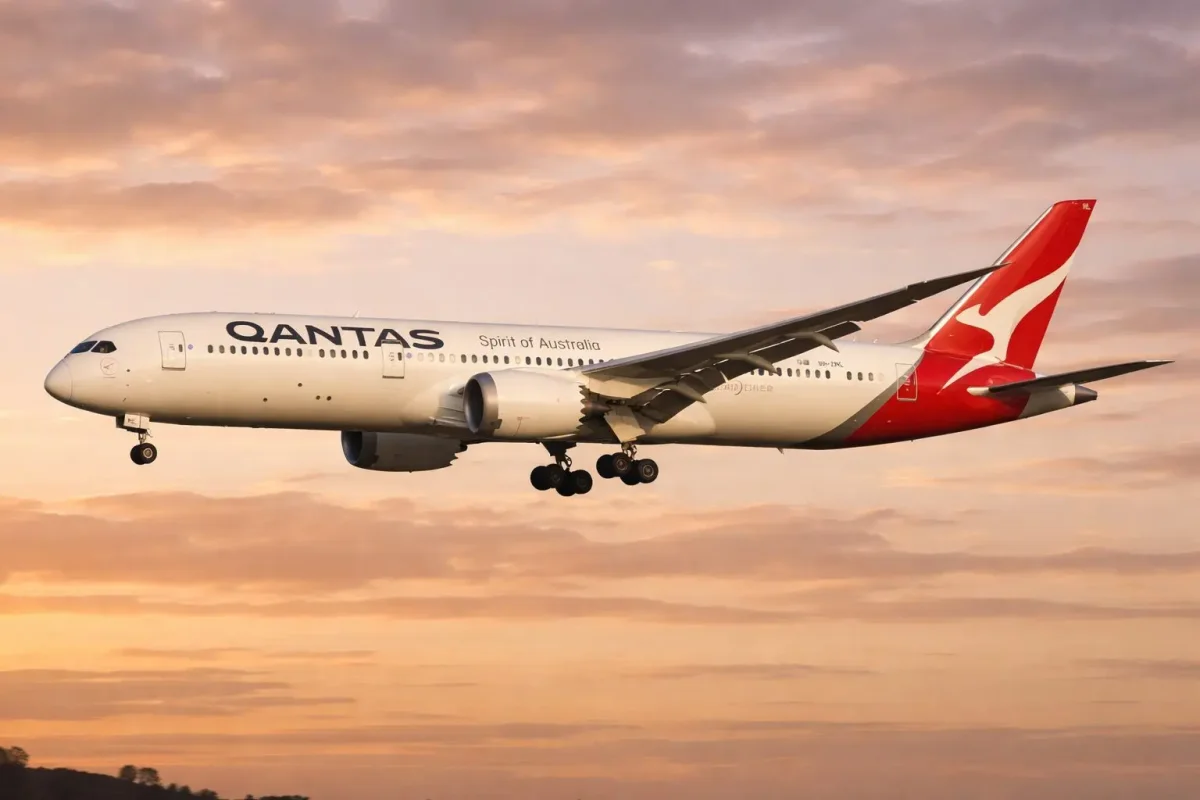
Shares of Qantas Airways Ltd. (ASX: QAN) tumbled on Monday, closing down 5.4% at A$9.41, as geopolitical turmoil in the Middle East sparked a sector-wide retreat. The selloff was primarily driven by investor concerns over rapidly rising fuel costs and potential operational headaches for carriers, following a sharp spike in crude oil prices and the closure of key airspace hubs.
Oil Price Surge Rattles Aviation
The immediate catalyst was a dramatic jump in Brent crude futures, which surged nearly 13% in early Asian trading before paring gains to settle around 7% higher. The benchmark was trading near $80 per barrel in over-the-counter markets on Sunday, with analysts warning that sustained tensions near the critical Strait of Hormuz could push prices toward $100. "The key factor here is the closing of the Strait of Hormuz," noted Ajay Parmar, director of energy and refining at ICIS. This surge acts as a direct hammer to airline profitability, as jet fuel is a major operational expense.
Regional Airline Stocks Under Pressure
The anxiety was not isolated to Qantas. Major carriers across the Asia-Pacific region felt the sting, with Cathay Pacific, Singapore Airlines, and Japan Airlines each sliding more than 5%. Aviation analyst Nicole Lim of Morningstar highlighted the triple threat of rising fuel prices, flight cancellations, and the added expense of rerouting aircraft. The chaos was evident on the ground, with major airports in Dubai, Abu Dhabi, and Doha either shutting down or imposing heavy restrictions, stranding passengers and forcing airlines into logistical scrambles.
While Qantas does not operate direct flights to the Middle East, it is not immune to the ripple effects. When major global connection hubs go offline, network schedules unravel. Carriers can be forced to operate longer, fuel-intensive detours or run half-empty flights simply to reposition crews and aircraft, incurring significant unplanned costs.
Australian Market Shows Divergence
In contrast to the travel sector's woes, the broader Australian market held steady. The S&P/ASX 200 index eked out a marginal gain of 0.03% by the close, buoyed by strength in energy and gold stocks—traditional havens during times of geopolitical uncertainty. This divergence underscored the specific, concentrated nature of the selloff impacting airlines.
Qantas shares reflected pure market jitters, with no new company-specific news driving the decline. During the session, the stock swung between a low of A$8.92 and a high of A$9.50, as traders grappled with uncertainty over how long elevated fuel prices might persist and the extent of global flight schedule fallout.
Dividend Timing Adds a Wrinkle
The investment calendar introduces an additional consideration for shareholders. Qantas is scheduled to trade ex-dividend on March 10, 2026. Investors who purchase shares on or after that date will not be entitled to the upcoming interim payout, which is slated for distribution on April 15. This timing can influence trading patterns and positioning, particularly in a volatile market environment.
The downside risk for Qantas and the sector is clear: a prolonged period of high crude oil prices, coupled with ongoing bottlenecks at major Gulf hubs, could deliver a painful one-two punch of rising costs and softening travel demand. This dynamic holds true even for airlines that avoid the conflict zone directly. Conversely, a rapid de-escalation of tensions would likely allow shares to recoup a portion of Monday's decline.
Moving forward, trader focus will remain fixed on crude oil prices and the latest geopolitical headlines. For Qantas specifically, the March 10 ex-dividend date will be a near-term focal point on the calendar as the market assesses the balance between yield and operational headwinds.