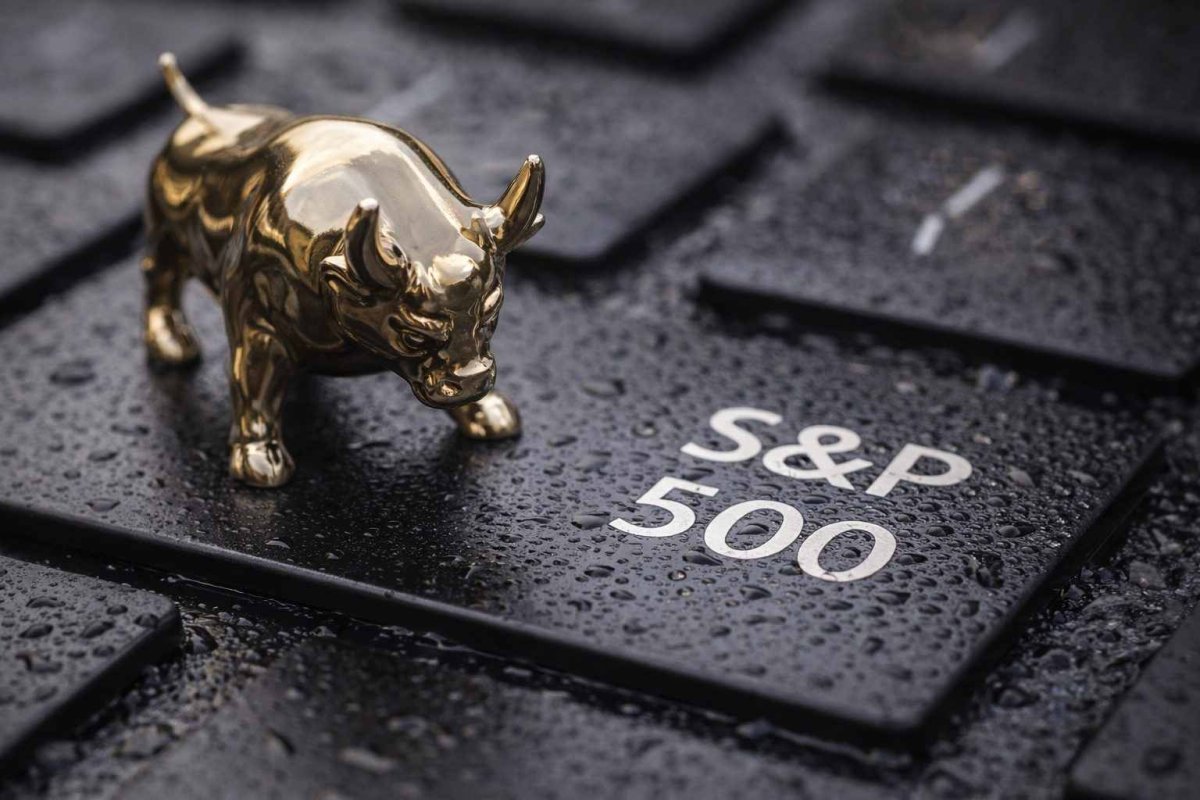
Equity markets rallied sharply on Friday, April 17, 2026, with the S&P 500 index climbing approximately 1.2% to reach a new historic high of 7,115. The Dow Jones Industrial Average advanced nearly 2%, while the technology-heavy Nasdaq Composite closed Thursday at a record for the twelfth consecutive session. The bullish momentum coincided with a dramatic sell-off in the energy complex, as Brent crude futures skidded more than 11% to trade below $88 a barrel, though prices remained elevated compared to pre-conflict levels.
Geopolitical Catalyst Drives Market Reassessment
The primary catalyst for the session was an announcement from Iranian officials that the critical Strait of Hormuz would remain open to commercial maritime traffic during the ongoing ceasefire in Lebanon. This development prompted investors to swiftly reassess the inflation and interest rate outlook. The steep decline in oil prices caused a notable swing in rate markets, with traders increasing bets that the Federal Reserve could initiate its first rate cut as early as December. This marked a reversal of the recent hawkish sentiment that had been fueled by the preceding energy price rally.
Market analysts noted the shift in investor psychology. "The market is bouncing between more positive and slightly neutral headlines regarding Iran," observed Chris Zaccarelli of Northlight Asset Management. Robert Phipps at Per Stirling Capital Management emphasized that the Middle East conflict remains "the market's single most important driver" at present.
Sector Rotation and Broadening Rally
The divergent moves created a stark sectoral split. Major oil companies Exxon Mobil (XOM) and Chevron (CVX) declined alongside the pullback in crude. In contrast, airline stocks soared on the prospect of lower fuel costs, with American Airlines (AAL) and United Airlines (UAL) each jumping over 7%. The rally showed signs of broadening beyond mega-cap technology names. The small-cap Russell 2000 index recorded its first intraday high since the onset of the regional conflict, rebounding from a correction that had seen it slide roughly 10% from its prior peak.
Capital flows reflected growing conviction. For the week ending April 15, global equity funds attracted $31.26 billion in new investments, with U.S. funds alone drawing $21.25 billion. The CBOE Volatility Index (VIX), a gauge of expected stock market turbulence, largely unwound its war-driven spike, signaling that investors are betting the economic fallout will be contained unless energy supplies face renewed disruption.
Central Bank Caution and Economic Outlook
Despite the market's optimistic price action, central bankers struck a more cautious tone. European Central Bank President Christine Lagarde warned that the conflict continues to exert upward pressure on inflation while simultaneously weighing on economic growth. John Williams, President of the Federal Reserve Bank of New York, highlighted that costlier energy feeds into broader price pressures across the economy, not just fuel costs, indicating that a single drop in oil cannot immediately undo shocks already in the pipeline.
The International Monetary Fund this week held its 2027 global growth forecast steady at 3.2%, suggesting a longer-term view that the economic impact will be more acute in 2026 than in the following year. Contingency planning continues among policymakers. The European Union has indicated a potential coordinated release of jet-fuel reserves if supply issues persist, while G7 finance ministers pledged fresh action should economic or energy fallout from the conflict intensify.
Shipping Industry Remains Wary
The upbeat financial market sentiment has not yet translated to normalization in global shipping lanes. Major firms like Hapag-Lloyd are continuing to avoid the Strait of Hormuz, citing a need for more time to evaluate the latest security developments. The Norwegian Shipowners' Association pointed to lingering uncertainties surrounding sea mines and the specific terms set by Tehran. A senior Iranian official told Reuters that vessels would be required to coordinate with the Islamic Revolutionary Guard Corps and adhere to corridors approved by Iranian authorities.
Analysts note a disconnect between trader positioning and physical trade flows. "Europe faces a tight stretch ahead, since Gulf cargoes take about 21 days to land in Rotterdam," said SEB's Ole Hvalbye. Giovanni Staunovo of UBS noted that tanker traffic counts have not yet shown a meaningful pickup, while PVM's Tamas Varga flagged the risk that flows could halt abruptly should nuclear negotiations between Iran and world powers break down.
The day's price action underscores the market's current primary narrative: the immediate de-escalation of a key shipping chokepoint is outweighing unresolved longer-term geopolitical risks, for now. Investors are positioning for a scenario where central banks gain maneuvering room to support growth, even as key industries and policymakers prepare for continued volatility.