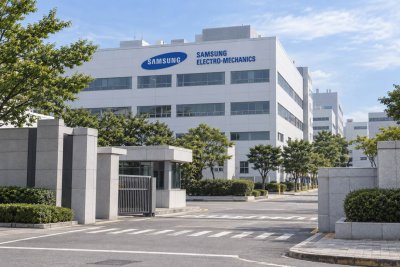
In a telling sign of the ongoing artificial intelligence-driven semiconductor supply crunch, Samsung Electronics has raised prices for certain foundry services by as much as 15%. The move, which affects 4-nanometer, 5-nanometer, and 8-nanometer process nodes, comes as customers in the U.S. and China face increased costs amid a global capacity squeeze.
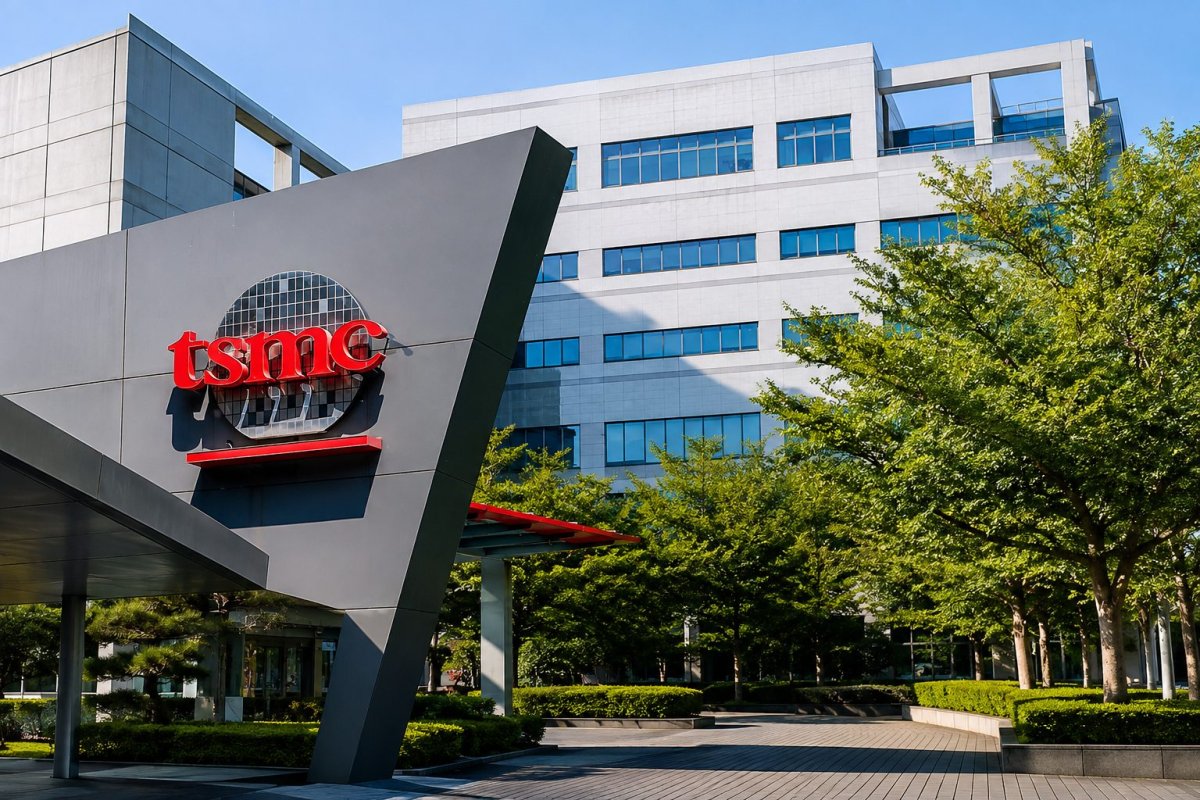
Meanwhile, Taiwan Semiconductor Manufacturing Company (NYSE: TSM) saw its shares trade nearly flat on Wednesday, hovering around $413.08 by mid-session. The muted reaction belies the significance of the pricing developments, which underscore the scarcity of advanced chip manufacturing capacity.
According to Reuters, Samsung's price increases range from 10% to 15% for certain clients. The adjustments are largely a consequence of capacity constraints at TSMC, which controls over 70% of global foundry revenue, while Samsung holds a roughly 7% share. As demand for AI accelerators and high-performance computing continues to outpace supply, customers are increasingly turning to alternative foundries, allowing Samsung to capitalize on the tight market.
For investors, the implications extend beyond Samsung's immediate revenue boost. The price hike serves as a benchmark for the value of limited chip production capacity. TSMC, which commands a dominant position in advanced nodes, is expected to benefit from similar pricing power. However, the company's stock has remained relatively stable, suggesting that investors are waiting for clearer evidence that capacity constraints will translate into improved margins.
TSMC's July revenue report provided further evidence of robust demand. Preliminary revenue for the month totaled NT$467.58 billion, a 44.7% increase year-over-year and a 5.6% rise from June. For the first seven months of the year, revenue climbed 37.0% to NT$2.872 trillion. Despite these strong numbers, the company's third-quarter guidance indicates a potential softening in margins, as increased overseas manufacturing costs and higher investments weigh on profitability.
In the second quarter, TSMC reported revenue of $40.20 billion, up 33.7% in U.S. dollar terms, with net income rising 77.4% in Taiwan dollars. Notably, 2-nanometer process technology contributed 3% to wafer revenue, signaling early traction for the company's most advanced node.
CEO C.C. Wei remains bullish on the AI megatrend, stating, "Our conviction in the AI megatrend is strengthening." The company is aggressively expanding its leading-edge chip production and advanced packaging capabilities, aiming to deliver strong returns on its investments.
Wall Street analysts are largely optimistic about TSMC's prospects. Recent coverage includes six buy ratings and one hold, with a mean price target of $545.67, representing a 32.1% premium over the current share price. However, the target range is wide, from a low of $440 to a high of $650, reflecting divergent views on how much of the scarcity-driven pricing power will flow to the bottom line.
The key question for investors is margin conversion. Samsung's price hike demonstrates that customers are willing to pay a premium for capacity. TSMC's third-quarter gross margin guidance, set at 65.0%-67.0%, will be closely watched to gauge the extent to which supply constraints benefit shareholders.
Risks remain, including accelerated capacity expansion that could pressure prices, higher costs from overseas fabs, export restrictions, customer concentration, and geopolitical tensions surrounding Taiwan. These factors could temper the positive outlook, but for now, the AI-driven demand wave shows no signs of abating.