Shares of Sasol Ltd, the South African integrated energy and chemicals group, extended a significant rally on Monday, propelled by a sharp spike in global crude oil benchmarks. The move underscores the company's sensitivity to energy price fluctuations, as it often serves as a local proxy for oil market movements.
Market Drivers: Geopolitics and Commodity Prices
The primary catalyst was a surge in Brent crude futures, which climbed as much as 13% to touch $82.37 per barrel earlier in the session—a level not seen since January 2025. By 1215 GMT, prices had settled near $78.92. This dramatic increase follows escalating conflict in the Middle East involving Iran, introducing fresh uncertainty over supply security. Analysts at Citigroup projected Brent could trade between $80 and $90 this week, while JP Morgan warned that any prolonged disruption to shipping through the critical Strait of Hormuz could push prices above $100 per barrel.
James Hosie, an analyst at Shore Capital, noted, "The latest move reflects uncertainty around the scale and duration of the current conflict." Market participants are closely assessing how sustained higher energy costs might impact corporate margins and broader economic demand in the coming weeks.
Sasol's Stock Performance and Financial Context
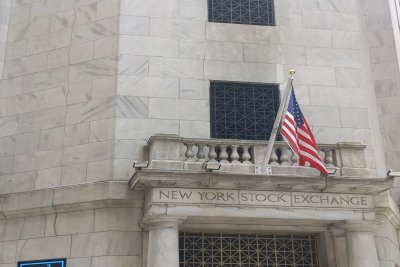
On the Johannesburg Stock Exchange, Sasol shares jumped 5.6% during Monday's regular session. This followed an even steeper 16% surge on Friday. The stock reached an intraday peak of 163.55 rand, marking a new 52-week high, before paring gains to trade at 153.44 rand by mid-afternoon. The rally occurs against a challenging financial backdrop for the company. Last week, Sasol reported a 34% decline in half-year headline earnings per share, a key South African profit measure that excludes certain one-off items. The company again withheld its dividend, with net debt remaining above $3 billion—a level management has indicated precludes the resumption of shareholder payouts.
Currency and Legal Complications
Local currency dynamics added a layer of complexity to the price action. The South African rand weakened roughly 1.4% against the U.S. dollar, trading near 16.16. Analysts at ETM Analytics attributed this to a flight to safety, with investors seeking refuge in the dollar amid the latest wave of global volatility. A weaker rand typically benefits Sasol, which earns a portion of its revenue in dollars, but it also increases the local cost of servicing its substantial dollar-denominated debt.
Separately, a company-specific legal development emerged as a potential headwind. Industrial group KAP announced that an arbitrator had ruled in favor of its Safripol unit in a long-running dispute over ethylene pricing with Sasol, awarding costs to Safripol. Sasol retains the right to seek a review of the decision in the High Court. KAP added that a related quarrel concerning supply volumes remains unresolved. This legal entanglement, while a secondary concern compared to oil prices, presents an additional source of potential expense and operational distraction for Sasol management.
Forward Outlook and Key Dates
The sustainability of Sasol's rally appears heavily contingent on the trajectory of oil markets. Gains could quickly reverse if geopolitical premiums fade or if elevated energy costs begin to materially dampen global economic growth. Furthermore, a negative outcome from the court review of the arbitration award, or from ongoing scrutiny by competition authorities, could impose further financial and managerial burdens.
Energy traders worldwide are now looking ahead to April 5, when eight OPEC+ nations scheduled to increase supply are set to reconvene and assess market conditions. The decisions made at that meeting will be crucial in determining whether current price levels can be maintained. For Sasol investors, this date represents a key inflection point that will test the durability of the current oil-driven momentum.
In summary, Sasol finds itself at the intersection of macro forces and micro challenges. While geopolitical strife has provided a powerful short-term tailwind, the company's path forward is complicated by its leveraged balance sheet, volatile currency markets, and unresolved legal disputes. Market participants will be watching to see if the crude-driven optimism can outweigh these persistent fundamental concerns.