In a significant step toward repurposing the Upper C-band spectrum, Eutelsat, SES, and Telesat have jointly selected RSM US LLP as the transition coordinator. The Federal Communications Commission (FCC) has initiated a review of this selection, which is a prerequisite for the coordinator to formally take on the role. The announcement, made on November 23, 2026, follows the operators' decision on November 17, with the FCC's review notice issued the next day.
Spectrum Repack Details
The Upper C-band transition involves relocating incumbent fixed-satellite service (FSS) operations from the 4.0–4.16 GHz band in the contiguous United States. According to the FCC's auction procedures released on November 13, the new frequency arrangement allocates 3.98–4.14 GHz (160 MHz) for terrestrial wireless licenses, a 20 MHz guard band at 4.14–4.16 GHz, and the remaining satellite operations are to be repacked into 4.16–4.2 GHz (40 MHz). The guard band is designed to prevent interference between new wireless services and the remaining satellite signals. It is important to note that the auction block and the satellite clearing range have different lower boundaries and should not be used interchangeably.
Coordinator's Role and Responsibilities
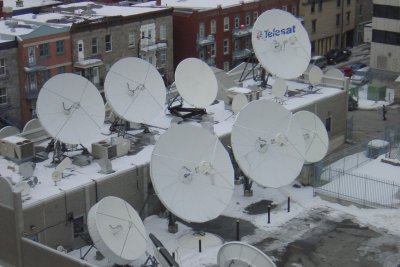
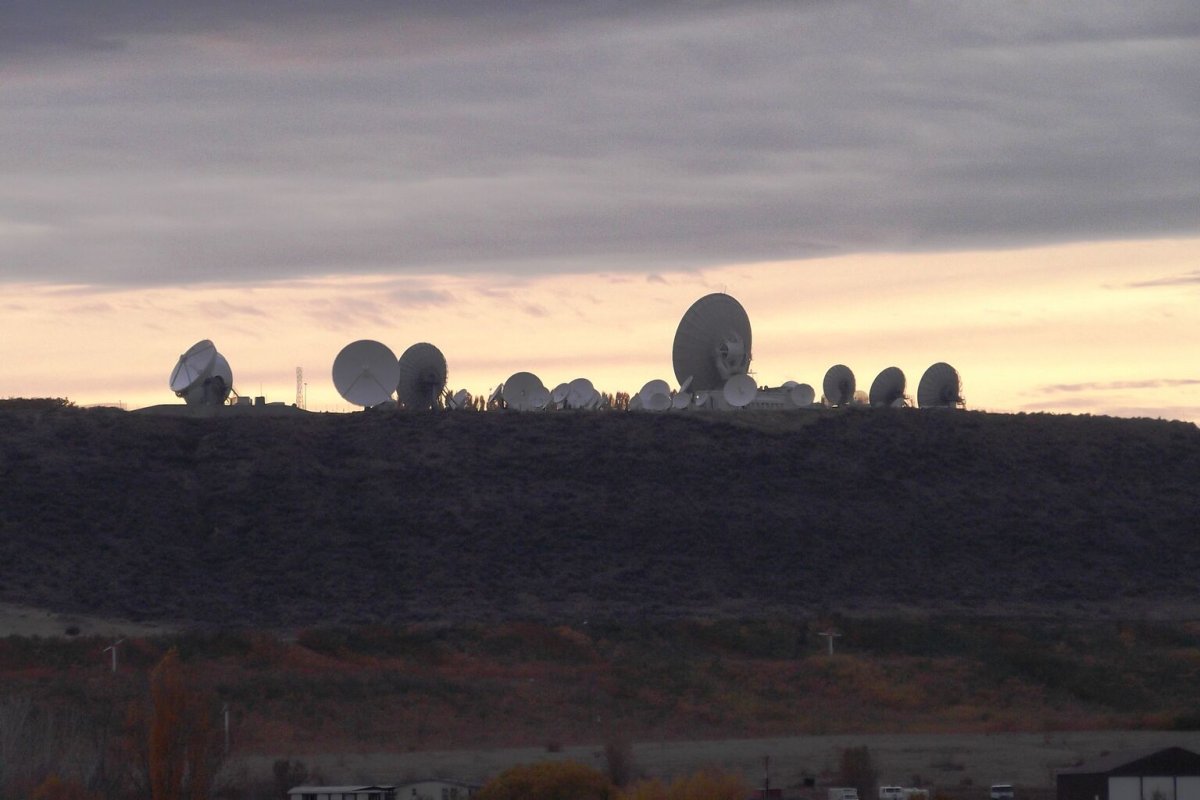
The coordinator, if approved, will be tasked with orchestrating the complex engineering and scheduling required to move existing satellite and ground-station operations to the narrower band. Specifically, the coordinator must schedule clearance activities, analyze necessary earth-station migrations, assign migration obligations to stakeholders, and work with new wireless licensees. Additionally, the coordinator will track progress by market, assess when wireless operations can commence, and mediate any scheduling disputes that arise. The FCC's review will determine whether RSM meets the specified criteria; if not, the selection committee must restart its evaluation and propose an alternative entity for public review.
Auction Timeline and Milestones
The FCC has set a comment period for the RSM selection, with comments due December 3, 2026, and replies due December 14, 2026, in GN Docket 25-59. The auction, designated Auction 115, will offer 3,248 licenses covering 160 MHz across the contiguous United States. The application window opens on January 6, 2027, at noon, and closes on January 20, 2027, at 6 p.m. Eastern Time. Bidding is scheduled to begin on April 27, 2027. According to the FCC's November 13 announcement, winning bidders may begin offering services in December 2030 in the top 75 markets and from July 2031 in remaining markets. These milestones are future targets and are not contingent on the RSM review itself.
Operator Preparations
SES has already reported progress on its part of the transition. In its November 5 results presentation, the company listed satellite manufacturing, launch plans, and submission of its transition plan as secured or completed. SES estimates approximately $5.6 billion in gross incentive payments, contingent on successful clearance. These statements reflect the operator's preparations and conditional proceeds, not evidence that the transition is complete.
Industry Context
The Upper C-band transition is part of a broader effort to free up mid-band spectrum for 5G and other wireless services. The FCC's decision to proceed with the auction, despite the complexity of the repack, underscores the importance of this spectrum for next-generation networks. For satellite operators, the transition represents a significant operational challenge, requiring careful coordination to ensure continuity of services. The selection of RSM, a professional services firm with expertise in complex transitions, signals the operators' commitment to a smooth process.
As the FCC review proceeds, stakeholders will be watching closely to ensure that the coordinator can effectively manage the transition and that all parties meet their obligations. The outcome will have implications for both the satellite industry and the future of wireless communications in the United States.