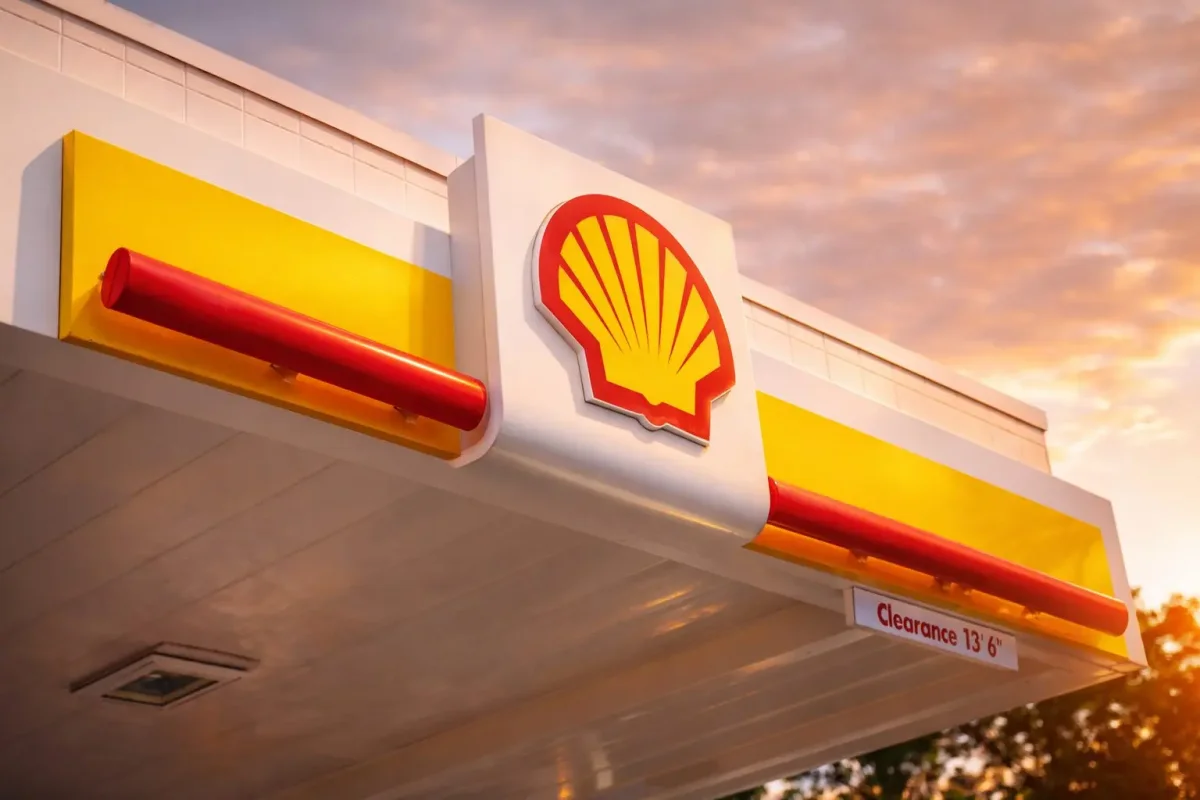
Shares of Shell PLC saw modest gains in early London trading on Tuesday, March 3, 2026, as rising crude oil prices provided support amid escalating geopolitical tensions in the Middle East. The energy giant's stock advanced 0.3% to 3,140.5 pence by 08:10 GMT, mirroring a broader uptick in the energy sector.
Oil Prices Extend Rally on Supply Fears
The primary catalyst for the move was a continued surge in benchmark Brent crude futures, which climbed for a third consecutive session. Brent rose by $3.15 to reach $80.89 per barrel by 07:45 GMT. This rally was fueled by mounting concerns over potential disruptions to oil shipments from the Middle East, particularly through the critical Strait of Hormuz. Analysts pointed to a widening clash between the U.S., Israel, and Iran, alongside direct threats to shipping lanes, as key drivers. "With no quick de-escalation in sight ... upside risks remain," noted Tony Sycamore, an analyst at IG. ING analysts echoed this sentiment, stating that markets are still digesting the threat of further escalation.
Operational Risks for Shell and Peers
The geopolitical headlines highlighted specific vulnerabilities for major energy producers. Analysts at Jefferies estimated that approximately 20% of Shell's oil and gas production originates from the Middle East. Their research indicated that several regional fields had gone offline, and tanker traffic through the Strait of Hormuz had largely ground to a halt. In a related development, QatarEnergy reportedly halted its liquefied natural gas (LNG) production on Monday following drone attacks, adding another layer of supply concern. LNG is natural gas that is supercooled into liquid form for global transport.
Shell's performance on Monday stood out against a weaker broader market. While the pan-European STOXX 600 index fell 1.7% and volatility spiked, energy shares reached a record and were the sole sector in positive territory. Shell, along with peers BP and TotalEnergies, gained between 2% and 3%. This resilience was attributed to firmer oil prices. Paul Christopher, head of global investment strategy at Wells Fargo Investment Institute, commented, "We expect a short, hard-hitting regional conflict." In London, the FTSE 100 declined 1.2%, yet Shell shares climbed 1.9%.
Legal Setback in LNG Dispute
Separately, Shell faced a legal setback after the market closed on Monday. A New York state judge denied the company's bid to overturn an arbitration award that had favored Venture Global LNG in a commercial dispute between the two firms. This ruling effectively marks the end of Shell's legal avenues to challenge the decision. The company expressed disappointment with the outcome. Arbitration is a private dispute resolution process that typically receives strong deference from courts.
Capital Returns and Market Context
Amid these developments, Shell continued its shareholder return program. On March 2, the company repurchased 153,314 of its own shares for cancellation, executing trades on both the London and Amsterdam exchanges. This buyback is part of a program announced on February 5, with Morgan Stanley handling the transactions through May 1. Investors are also looking ahead to dividend logistics; the election deadline for the currency of the Q4 2025 interim dividend is March 6, with payment rates for sterling and euro announced on March 16 and payments landing on March 30.
Risks and Forward Focus
The current trade faces clear near-term risks. A rapid reopening of shipping lanes or any sign of geopolitical de-escalation could trigger a sharp decline in crude prices, quickly eroding support for energy stocks. Conversely, prolonged disruption threatens producers with output outages, higher logistics costs, and reduced LNG availability. Traders remain focused on the direction of oil prices, updates on tanker movements, and the insurance landscape in the Strait of Hormuz. The next fixed event on Shell's calendar is the March 6 deadline for dividend currency elections.