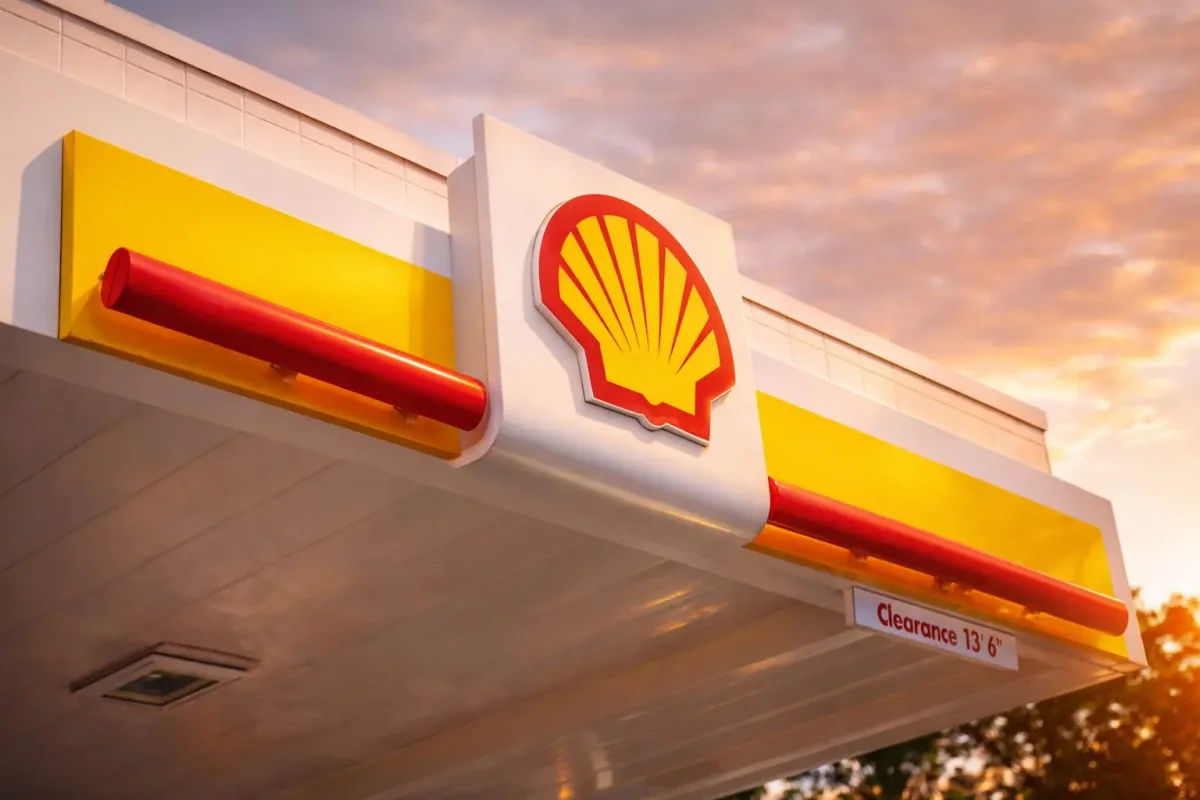
Shares of Shell plc advanced approximately 3% during London trading on Monday, March 2, 2026, mirroring a dramatic surge in global oil benchmarks. The rally was fueled by intensifying investor anxiety over potential disruptions to critical shipping lanes near Iran and the Strait of Hormuz, a vital conduit for approximately one-fifth of the world's seaborne oil trade.
Brent crude futures, the international benchmark, soared as much as 13% to reach $82.37 per barrel before paring gains to around $78.87, still up about 8% by 0919 GMT. U.S. West Texas Intermediate crude followed a similar trajectory, hitting $75.33 early before hovering near $72.17, an increase of nearly 8%. "The latest move reflects uncertainty around the scale and duration of the current conflict," noted James Hosie, an analyst at Shore Capital.
The market's focus decisively shifted from supply fundamentals to immediate logistical risks. Despite OPEC+—the alliance comprising the Organization of the Petroleum Exporting Countries, Russia, and other partners—announcing on Sunday an increase in output by 206,000 barrels per day starting in April, the news was largely overshadowed. Traders are instead grappling with the question of how long transit through the Hormuz strait will be constrained, as shipping owners and insurers reassess risks.
The disruption had a pronounced knock-on effect on European energy markets. Natural gas prices on the continent skyrocketed up to 28% Monday morning, marking their most significant single-day gain since August 2023. This spike was exacerbated by the fact that the Strait of Hormuz also handles a substantial portion of Qatar's liquefied natural gas (LNG) exports, which constitute roughly 20% of global LNG supply. In a major development, shipping giant Maersk announced it would suspend all vessel traffic through both the Strait of Hormuz and the Suez Canal, citing immediate safety concerns.
European equity markets exhibited a classic "risk-off" rotation in response to the geopolitical flare-up. Capital flowed out of sectors like banking and airlines and into perceived havens and beneficiaries, including energy, defense, and shipping stocks. The region's integrated energy majors were clear winners: Shell, BP, and TotalEnergies each gained between 2% and 4%, collectively propelling the European energy sector index to a record high.
For equity traders, majors like Shell often serve as an initial hedge against spiking crude and gas prices. The investment thesis is that these companies' upstream earnings can, at least temporarily, offset the broader economic drag caused by more expensive energy. However, this trade is notoriously fickle; a rapid de-escalation of tensions or a swift resumption of normal shipping traffic could cause the geopolitical risk premium embedded in oil prices to evaporate, likely pulling the sector's outperformance down with it.
Beyond the day's headlines, Shell was also in focus due to a separate development in Nigeria. According to a Reuters source, the Nigerian government has divided the OPL 245 oil block into four separate assets, which will be managed by Eni and Shell. Final contracts for the arrangement were expected to begin rolling out starting Monday. Both companies declined to comment on the report.
Looking ahead, Shell has several key investor events on the calendar. The company is scheduled to present its LNG Outlook and a "LNG Portfolio: Strategic Spotlight" on March 16. Its first-quarter financial results and dividend announcement are set for May 7. Regarding dividends, Shell's board has already set an interim dividend at $0.372 per ordinary share for the fourth quarter of 2025. Shareholders must select their preferred currency for the payout by 11:00 a.m. GMT on March 6, with pound and euro equivalents to be announced on March 16 and payment following on March 30.
Market commentators underscored the broader implications of the oil shock. "Scenes in the Middle East have caused widespread nervousness across financial markets," observed Dan Coatsworth, head of markets at AJ Bell. Meanwhile, Jordan Rochester, head of fixed income and currency strategy EMEA at Mizuho, highlighted a flight to safety, noting, "The dollar's correlation to risk is back," as investors sought refuge in the U.S. currency.