Global oil benchmarks declined sharply while U.S. stock markets rallied to unprecedented levels on Friday, April 17, 2026, following Iran's confirmation that it would permit commercial shipping to transit the Strait of Hormuz. The move came as part of a ten-day ceasefire, temporarily alleviating fears of a protracted supply disruption that had gripped energy markets for weeks.
Market Reaction to Geopolitical Shift
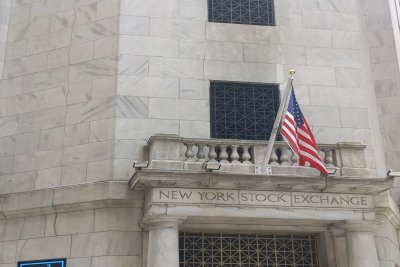
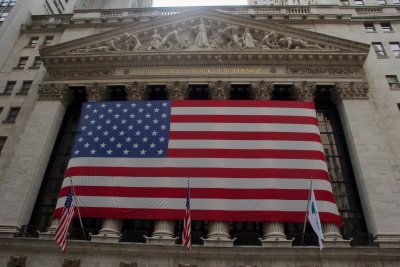
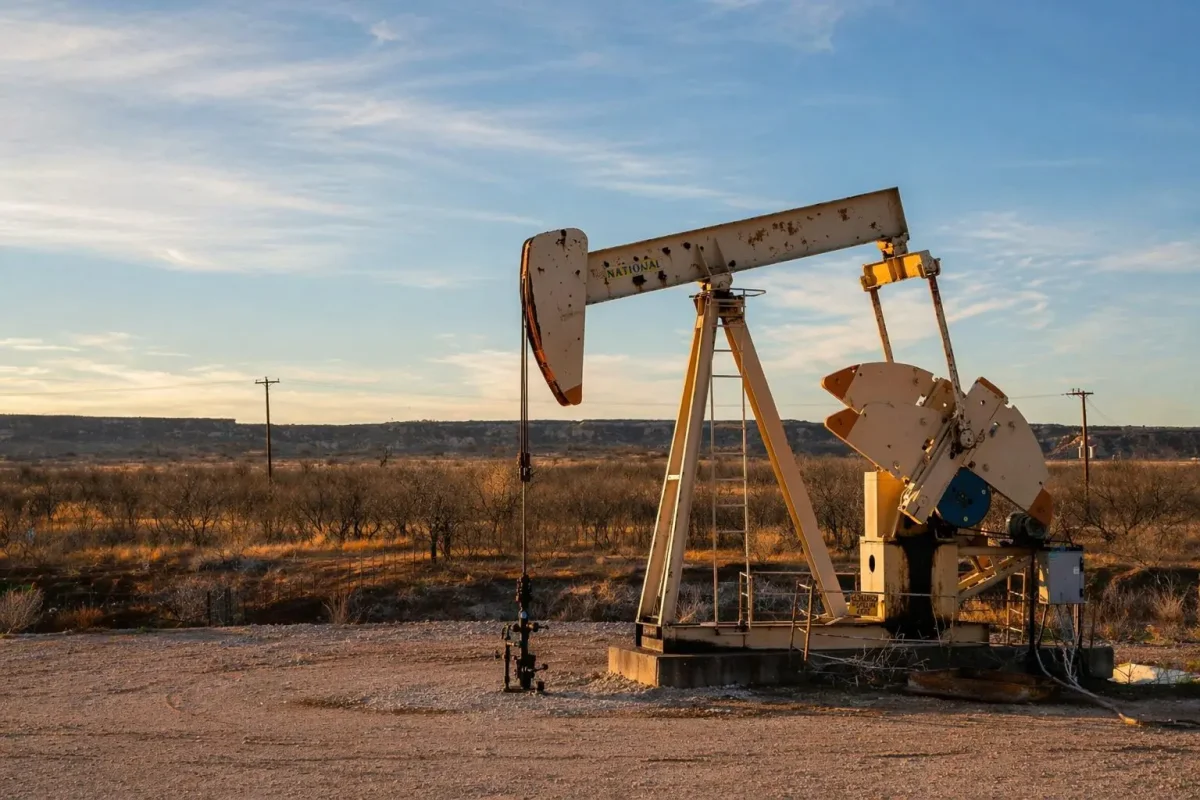
The immediate financial impact was pronounced. Brent crude futures, the international benchmark, dropped to $88.90 per barrel. U.S. West Texas Intermediate crude traded around $83.08. On Wall Street, investor sentiment surged, propelling the S&P 500 and Nasdaq Composite to record closes. The Dow Jones Industrial Average advanced more than 2% by midday trading in New York.
This market pivot hinges on the strait's critical role in global energy logistics. Approximately one-fifth of the world's seaborne oil and liquefied natural gas passes through this narrow waterway separating Iran and Oman. Since late February, transit volume had collapsed by 97%, bringing shipments to a near standstill and forcing traders to price in a substantial risk premium for potential extended outages.
Official Statements and Lasting Caveats
Iranian Foreign Minister Abbas Araqchi stated that commercial vessels now had "completely open" passage for the duration of the Lebanon-related truce. Concurrently, U.S. President Donald Trump suggested the potential for a broader agreement to resolve the conflict but affirmed that the American naval blockade on Iranian shipping would persist pending a final deal.
Economist James Reilly of Capital Economics characterized the reopening as a "critical step" toward normalized trade flows. Pepperstone strategist Michael Brown noted the resumption "takes a pretty chunky tail risk off the table" for the global economic outlook.
Sector Performance and Inflation Outlook
The shift reverberated across specific sectors. Energy giants Exxon Mobil (XOM) and Chevron (CVX) saw their shares slide on expectations of compressed profit margins from lower crude prices. Conversely, American Airlines (AAL) gained, buoyed by the prospect of reduced jet fuel expenses.
The drop in oil prices also bolstered investor optimism about easing inflationary pressures. Money markets rapidly adjusted their expectations for Federal Reserve policy, now pricing a 44.9% probability of at least a quarter-point rate cut by December, a significant jump from 29.5% just a day prior. Fed Governor Christopher Waller tempered this outlook, describing the situation as "very complicated" and noting that while cheaper oil helps, the ongoing conflict has muddied the economic picture.
Persistent Risks and Cautious Operators
Despite the positive headlines, significant operational risks remain. A senior Iranian official clarified that vessels must still register with the country's Revolutionary Guards and are restricted to channels deemed secure by Tehran, with military vessels explicitly barred.
The U.S. Navy highlighted unresolved concerns about sea mines along sections of the route, advising mariners to consider avoiding the U.N.-supported Traffic Separation Scheme that organizes ship traffic. Jakob Larsen, chief safety officer at shipping association BIMCO, echoed that the mine threat was still unclear. Major shipping lines reflected this caution. Hapag-Lloyd and Maersk indicated they were not immediately resuming transit, citing pending risk assessments and unresolved compliance and insurance questions flagged by analysts like Matt Wright of Kpler.
Broader Market Ripples
The relief extended beyond U.S. borders. Europe's STOXX 600 index climbed over 1.5%, and the U.K.'s FTSE 100 gained 0.7% as investors dialed back safe-haven trades. The U.S. dollar index fell to its lowest level since late February.
It is crucial to note that despite Friday's decline, Brent crude remains well above its pre-conflict level near $70 per barrel. Later on Friday, a senior Iranian official cautioned that significant differences with Washington on nuclear issues persist and warned that the strait's open status depends on U.S. adherence to the ceasefire terms. The market, therefore, is not fully convinced the supply risk has been eliminated, leaving a cautious undertone beneath the day's rally.