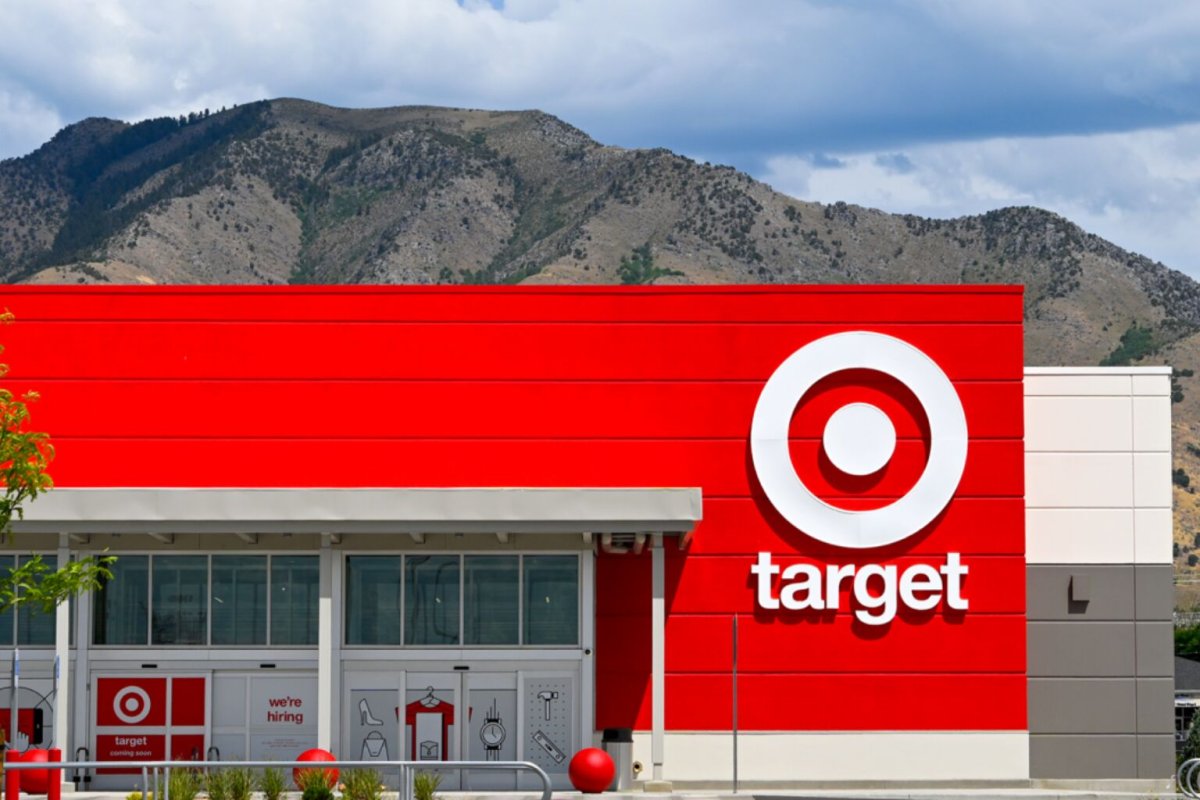
Target (TGT) is set to release its limited-edition Pokémon-themed Owala water bottles on Wednesday, September 16, exclusively through its stores and website. The collection features five designs—Charizard, Gengar, Pikachu, Kanto starters, and Eevee—per promotional images, though pricing and capacities have not been disclosed. While the collaboration will likely generate buzz among collectors, the financial impact for Target is more nuanced than a simple product launch.
A Strategy Built on Exclusivity
The Owala drop is the latest iteration of Target's merchandising playbook: partnering with recognizable brands to offer products that shoppers can't find elsewhere. Management has repeatedly cited exclusive partnerships—including Roller Rabbit, Parke, and Pokémon—as key drivers of traffic, sales, and social media engagement. In its first-quarter review, Target specifically named these collaborations as catalysts, though it did not break out individual sales figures.
The second-quarter results provide a clearer baseline. Target reported comparable sales growth of 3.8%, with transaction traffic up 3.6% and average ticket increasing just 0.2%. Notably, the Fun101 category—which includes toys, electronics, entertainment, and sporting goods—grew at a double-digit rate. Digital comparable sales rose 8.7%, while store comparable sales increased 2.7%. These figures suggest that exclusive merchandise is indeed drawing customers through the doors, but the question remains whether the effect is sustainable.
Why the Bottle Itself Matters Less Than You Think
For a company generating over $26 billion in quarterly revenue, the gross profit from a few thousand water bottles is immaterial. The real value lies in the halo effect: a shopper who comes for a Pokémon bottle might also pick up groceries, beauty products, or apparel. If the launch drives incremental trips and digital visits, it supports the broader strategy. However, if scarcity merely shifts purchases from one category to another, the benefit is limited.
Target's stock closed at $154.40 on Tuesday, down 2.7% from the prior day, but that move is unlikely to be tied to the bottle launch. The market is more focused on the company's full-year guidance, which projects net sales growth around 5% and an operating margin of approximately 6%. That margin outlook includes a 90-basis-point benefit from tariff refunds, which complicates the picture.
The Economics of Licensing
The collaboration also involves multiple parties. Owala is owned by privately held Trove Brands, so investors cannot directly buy into the bottle maker. The Pokémon Company handles licensing, and Nintendo accounts for it as an equity-method associate. None of these entities has disclosed royalty rates, unit orders, or profit splits for the Target collection. Consequently, any claim that the launch is financially significant to Nintendo or Target would be speculative.
What to Watch After Launch Day
The true test will come after the initial sellout. Analysts and investors should monitor whether the bottles remain in stock across stores and online, indicating how well Target matched inventory to demand. More importantly, the next quarterly report will reveal whether exclusive collectibles are contributing to repeat traffic and sustained sales growth in Fun101, or whether they are merely producing short-lived spikes in attention.
In a retail environment where e-commerce giants dominate, Target's bet on scarcity and brand partnerships is a deliberate strategy to differentiate itself. The Pokémon x Owala launch is a small piece of that puzzle, but its success—or failure—will offer valuable signals about the durability of Target's approach.