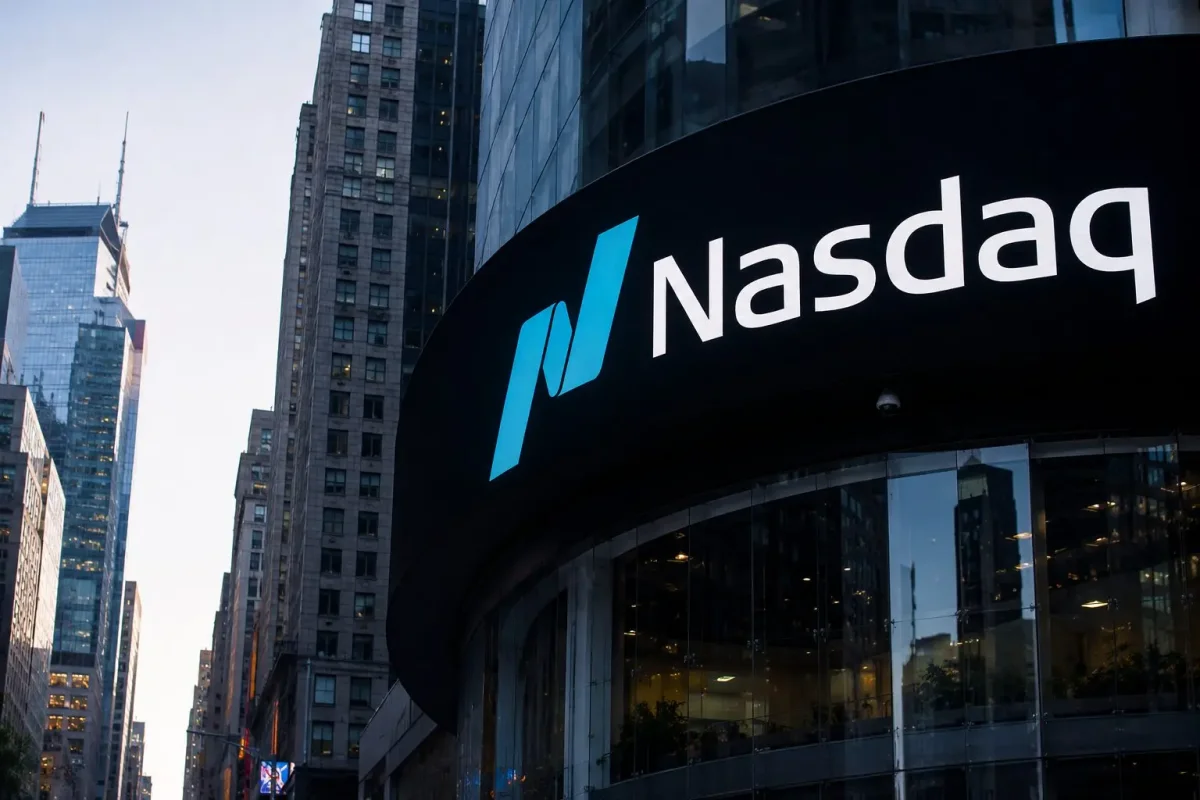
NEW YORK – A broad sell-off in technology shares erased more than $1 trillion in market value from the Nasdaq 100 on Tuesday, as traders fled AI-linked names amid growing doubts about returns on massive spending and expectations for higher U.S. interest rates.
Nasdaq 100 futures slid 891.75 points, or 2.91%, by 6:42 a.m. ET, while S&P 500 futures lost 1.5%, according to Reuters. The selling pressure spread beyond mega-cap internet stocks into semiconductor and memory chip names, intensifying the rout ahead of the opening bell.
SpaceX shares fell 3.6% to $149.10 in premarket trading, pushing the company's valuation below $2 trillion for the first time since its U.S. debut. The stock has now shed over $600 billion in market value over three consecutive sessions, Reuters reported.
South Korea's KOSPI index plunged 9.99% to close at 8,203.84, its steepest drop in more than three months. Samsung Electronics and SK Hynix each declined more than 12%, triggering a 20-minute trading halt across the market. The two chipmakers now account for over half of the index's total value, according to Reuters.
The sell-off in AI-related growth stocks, which had been the market's leading trade in 2026, is being driven by two key concerns: mounting skepticism about the returns on AI investments and the prospect of the Federal Reserve raising rates by 50 basis points by December, as indicated by the CME Group's FedWatch Tool. Just two weeks ago, markets had priced in only a single quarter-point hike.
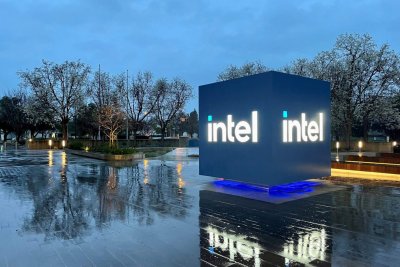
Premarket losses were widespread among major tech names. Shares of Micron, SanDisk, and Western Digital suffered heavy declines, while Intel and Advanced Micro Devices also fell, dragging down the semiconductor sector that had previously propelled the Nasdaq to record highs.
Six of the so-called Magnificent Seven stocks—Alphabet, Amazon, Tesla, Nvidia, Apple, and Meta—all traded lower before the bell, with those losses on track to erase $345 billion in combined market value if sustained, Reuters reported.
Debt concerns have resurfaced as a key risk. Ipek Ozkardeskaya, senior market analyst at Swissquote Bank, noted that SpaceX's recent bond sale revived fears that tech giants may be taking on excessive debt to finance AI infrastructure, including data centers, chips, and power for their AI products.
Daniela Hathorn, senior market analyst at Capital.com, described the drop as a “sentiment-driven correction” rather than the end of the AI earnings trade, but warned that it highlights how heavily market leadership now depends on a narrow set of growth names.
Alexander Redman, chief equity strategist at CLSA, pointed to heightened volatility in South Korea, citing heavy retail trading and large moves in leveraged single-stock ETFs. “Volatility has blown out,” he told Reuters, adding that the risk of further declines remains elevated.
Investors are now looking for potential catalysts to stabilize markets, such as softer inflation data, falling Treasury yields, or a solid earnings report from Micron on Wednesday. Until then, the central question remains: can the AI boom still justify the massive spending, high valuations, and rising debt levels that have defined the rally?