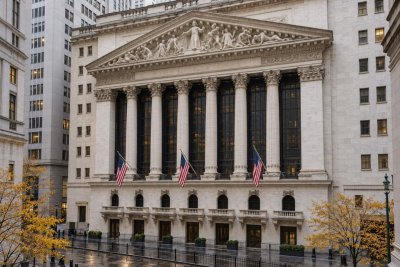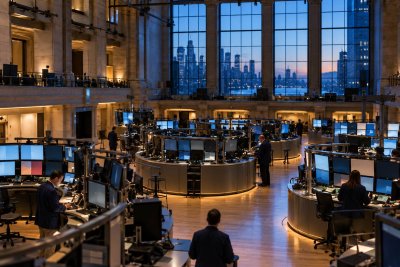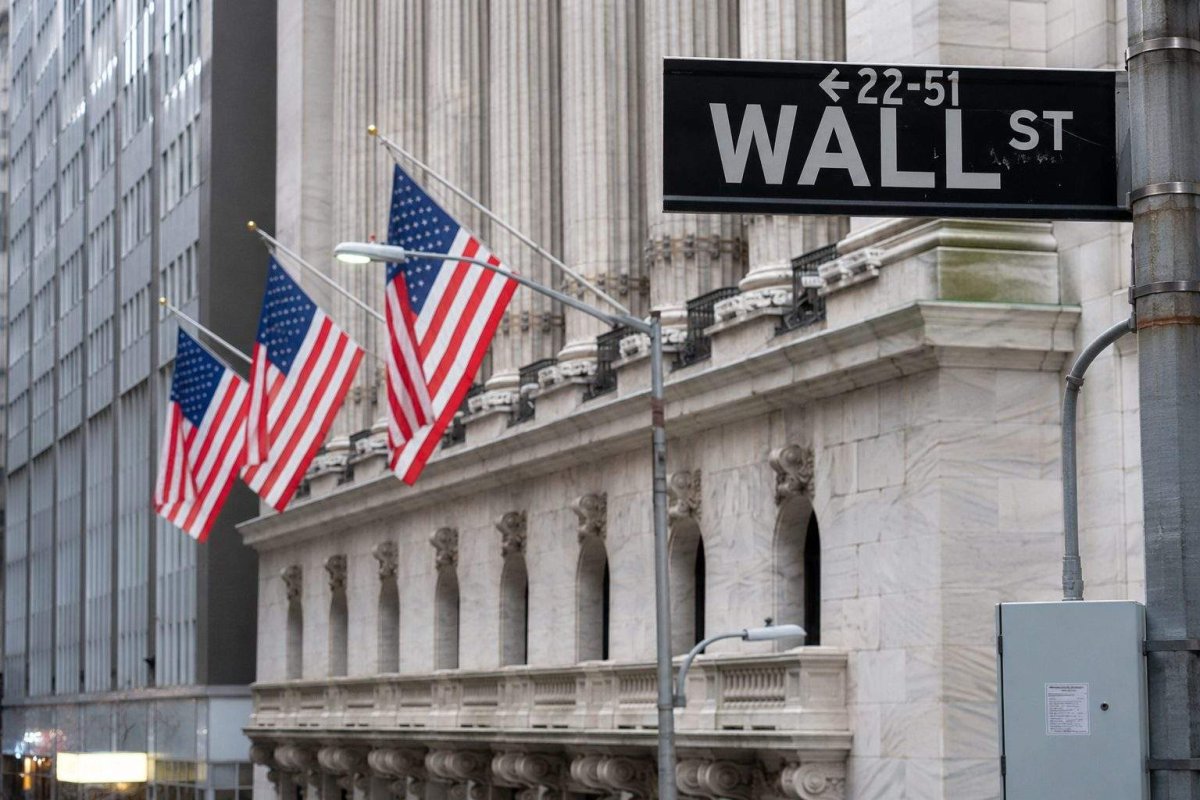
NEW YORK — U.S. equity markets ended last week in the red for the second straight session, as a wave of earnings beats from major technology companies failed to sustain investor enthusiasm. The S&P 500 slipped 0.6% to close at 7,411.98, while the Nasdaq Composite dropped 2.1% to 24,975.82, marking its second consecutive weekly loss. The Dow Jones Industrial Average fared slightly better, falling just 0.4% on the week but gaining 0.5% on Friday.
The most striking feature of the week was the market's reaction to earnings reports from key players in the artificial intelligence space. Alphabet, Tesla, and Intel all surpassed revenue expectations, yet their shares tumbled 7.1%, 14.5%, and 7.9%, respectively. The so-called Magnificent Seven group of mega-cap tech stocks saw a combined $787 billion in market value erased in a single session on Thursday, the largest one-day loss for the group in over a year.
Investors appear to be shifting their focus from top-line growth to cash flow generation. Companies that reported higher capital expenditures without corresponding operating cash flow were punished, regardless of earnings beats. Alphabet and Tesla both posted negative free cash flow for the quarter, contributing to their declines. Alphabet raised its 2026 capital expenditure forecast to between $195 billion and $205 billion, up from a prior range of $180 billion to $190 billion, while Tesla's capital spending jumped 142% year-over-year to $5.79 billion.
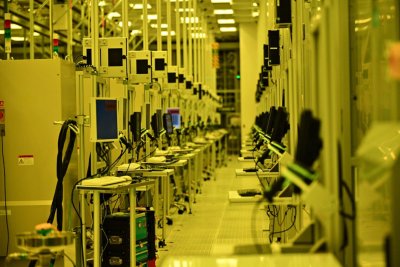
Intel also felt the sting of investor scrutiny. The chipmaker reported a 25% revenue surge to $16.1 billion, the fastest growth since 2011, and adjusted earnings of 42 cents per share that more than doubled projections. However, shares fell nearly 8% on Friday after the company announced plans to boost 2026 capital spending above $20 billion, up from roughly $18 billion currently. Chief Financial Officer Dave Zinsner said the company is "meaningfully increasing investments in equipment, clean room space, and substrates."
Despite the sell-off in tech, some analysts remain bullish on the long-term AI theme. Janus Henderson portfolio manager Alison Porter described Alphabet's quarter as one of its strongest in five years, calling the company "a really great barometer for this whole AI wave." Edward Jones analyst Brian Therien added that the improved outlook suggests the AI buildout remains resilient.
Money rotated within the market rather than exiting entirely. The Dow's modest weekly decline was cushioned by gains in Salesforce, IBM, and Apple, which rose 4.1%, 3.6%, and 3.5%, respectively, on Friday. Companies with strong cash positions outperformed, while those with higher capital expenditures lagged. The Nasdaq 100 posted its first back-to-back weekly decline since late March.
Oil prices added to market volatility. Brent crude climbed as high as $102 per barrel on Thursday before falling 4% to $96.78 on Friday, as U.S.-Iran strikes disrupted tanker movements through the Persian Gulf and Red Sea. Despite the late-week pullback, crude remained substantially higher for the week. S&P Global's flash PMI indicated the fastest pace of business activity growth in eight months, supported by the World Cup.
All eyes now turn to the Federal Reserve, which begins its two-day policy meeting on Tuesday. According to CME's FedWatch tool, futures markets are pricing in a 38% probability of a rate increase at the July 29 meeting, up from 12% the prior week. FactSet's economist survey still expects a fifth consecutive pause, keeping rates between 3.50% and 3.75%. New Chair Kevin Warsh has signaled he will provide less forward guidance, adding to uncertainty.
Looking ahead, earnings from Microsoft, Amazon, and Meta Platforms are due this week, with investors keen to see if they can avoid the same cash flow pitfalls that tripped up their peers. Small-cap stocks, as measured by the Russell 2000, continue to lead year-to-date, up 18.1%, suggesting the rally is broadening beyond mega-cap tech names.