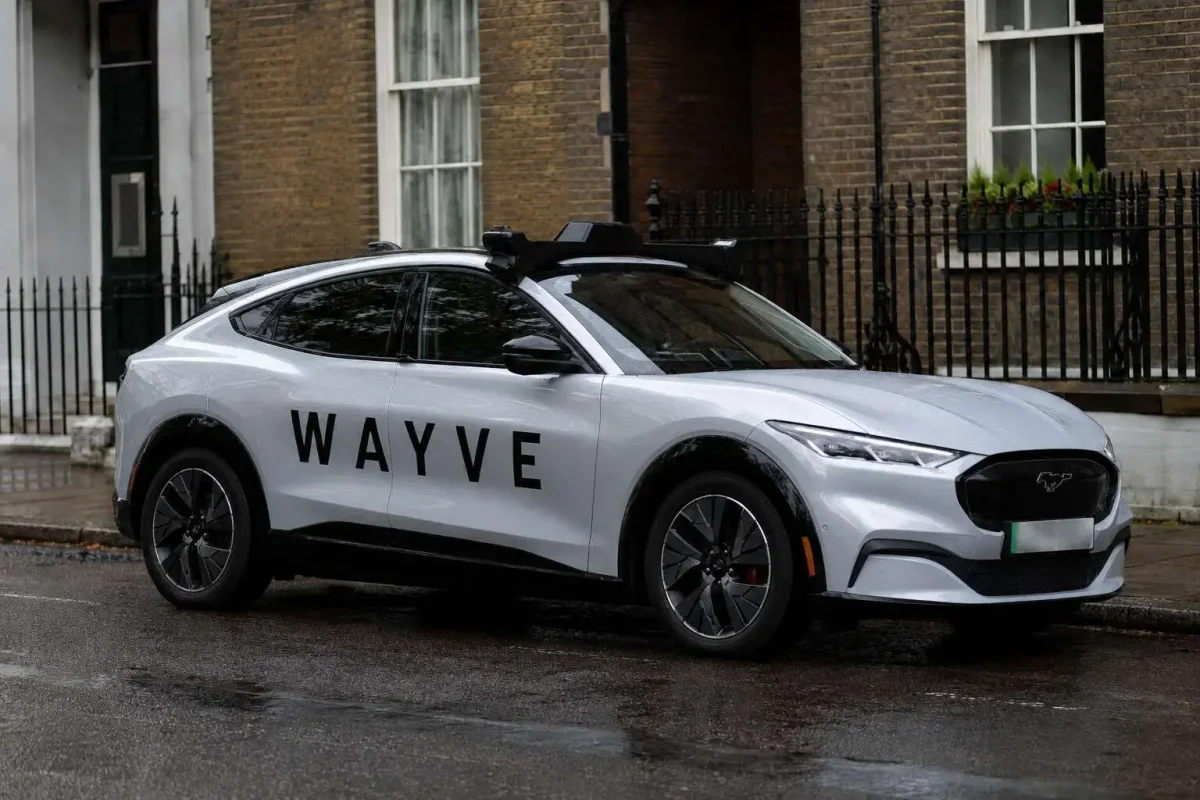
London, September 3, 2026 – Wayve, the autonomous driving software company, has officially launched its first paid ride-hailing service in London, deploying a fleet of just 15 modified Ford Mustang Mach-E vehicles. This marks a critical real-world test of the company's $8.6 billion private valuation, which was set after a $1.2 billion funding round in February 2026.
Limited Fleet, High Demand
The initial rollout is intentionally cautious, with each vehicle accompanied by a safety driver and airport routes excluded from the service area. Despite this, over 100,000 customers have already registered interest in autonomous rides, creating a supply-demand imbalance of nearly 6,700 potential users per car. This ratio underscores the massive scalability challenges Wayve faces as it moves from testing to commercial operation.
The service is integrated with Uber's (NYSE: UBER) platform, allowing riders to opt for a Wayve vehicle through the standard Uber app. Fares are set at the same level as regular Uber rides, with no introductory discounts or tipping required. However, the presence of a safety driver means that cost savings for passengers are not yet realized.
Valuation and Competitive Landscape
Wayve's $8.6 billion valuation places it significantly behind Alphabet's (NASDAQ: GOOGL) Waymo, which secured a $126 billion valuation in a February financing round. Waymo already delivers over 400,000 rides per week, while Wayve is still in its early commercial phase. The 14.7x valuation gap highlights the premium investors place on proven operational scale and safety records.
Wayve's strategy differs from Waymo's in that it positions itself as a software provider rather than a fleet operator. The company licenses its driving technology to automakers and partners, such as Uber, which plans to own and manage its own autonomous fleets. This capital-light approach could help Wayve expand more rapidly, but it also relies heavily on the reliability of its software across diverse environments.
Growth Plans and Risks
Wayve and Uber have announced plans to expand the service to more than 10 markets, with Uber targeting up to 15 cities for self-driving vehicles by the end of the year. Uber's partners have committed approximately 120,000 vehicles for future deployment. This network effect could reduce Wayve's financial burden, as it provides software licenses rather than owning the cars.
However, significant risks remain. Approval for fully driverless operation is not guaranteed, and any safety incidents could delay rollout and increase insurance costs. Limited ride activity might also challenge the rationale behind Wayve's high valuation, which is based on future growth potential rather than current revenue.
Path to Full Autonomy
Wayve CEO Alex Kendall has declined to provide a specific timeline for achieving full autonomy, stating that the technology is "still maturing." The company plans to demonstrate its system on Nissan (TYO: 7201) vehicles before removing human safety drivers. Investors will be closely monitoring trip volumes, safety intervention rates, and fleet expansion as key indicators of progress.
The London launch is a pivotal step for Wayve, but the road to profitability and widespread adoption is long. With only 15 cars and a massive waitlist, the company must prove that its technology can scale safely and efficiently. The coming months will be crucial in determining whether Wayve can live up to its $8.6 billion promise.