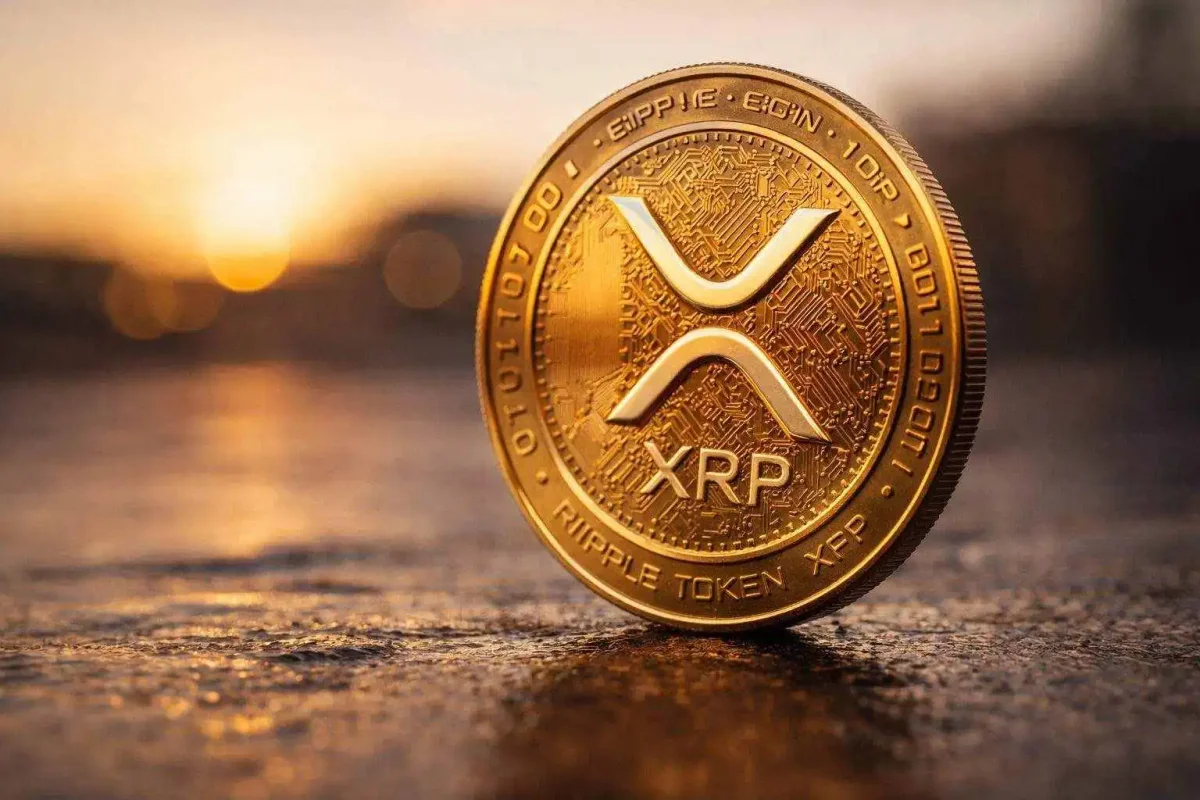
The digital asset XRP experienced a notable decline of 3.7% over a 24-hour period, settling near $1.34 according to data from the Binance exchange. Trading volume for the token reached approximately $2.5 billion, contributing to a market capitalization hovering around $81.8 billion. The downward movement occurred against a backdrop of heightened market anxiety driven by geopolitical developments and significant token supply events.
Geopolitical Shockwaves Hit Markets
Financial markets globally reacted to a sharp escalation in Middle East tensions over the weekend, as a U.S.-Israeli air campaign against Iran widened. This development triggered a surge in energy prices, with Brent crude oil futures jumping as much as 13% during the trading session. The rapid rise in oil prices has introduced fresh uncertainty into currency and cryptocurrency valuations, with investors seeking clarity on the potential for a prolonged energy shock.
"The actions that the United States and Israel took over the weekend has global markets on edge," stated Chris Zaccarelli, Chief Investment Officer at Northlight Asset Management. The uncertainty, rather than a specific directional bias, is currently the dominant market theme according to some strategists. Marc Chandler, Chief Market Strategist at Bannockburn Global Forex, emphasized that "the uncertainty" itself is the primary issue for traders at this juncture.
Divergent Crypto Performance
While XRP sold off, the broader cryptocurrency market displayed mixed signals. Bitcoin, the leading digital asset, climbed 5.43% to $69,271, demonstrating a decoupling from the altcoin's performance. Analysts suggest the oil price surge is a key driver, with exposure to energy market volatility affecting assets differently. "It's mostly about exposure to oil," explained Steve Englander, who leads global G10 FX research and North America macro strategy at Standard Chartered Bank in New York.
The market reaction also refocused attention on inflation risks. A recent U.S. manufacturing survey indicated factories paid sharply higher prices for inputs, reaching the steepest level in nearly three and a half years. This serves as a reminder that inflation can resurge quickly when energy or shipping costs climb, potentially influencing central bank policy and, by extension, speculative asset valuations.
Significant XRP Supply Event
A major factor drawing trader attention was a substantial release of XRP from escrow accounts controlled by Ripple, the blockchain payments company associated with the token. Blockchain monitoring service Whale Alert reported three separate escrow unlocks totaling 1 billion XRP, comprising batches of 200 million, 300 million, and 500 million tokens. At prevailing prices, this injected approximately $1.38 billion worth of potential supply into the market ecosystem.
XRP is particularly sensitive to such supply-side dynamics, alongside broader "risk-on" or "risk-off" sentiment. Large transfers, shifts in exchange liquidity, and regulatory news can all spark pronounced price reactions for the token, distinguishing it from moves in the wider crypto complex.
Regulatory Developments
On the regulatory front, Turkey's ruling AK Party proposed legislation to impose a 10% withholding tax on income and gains from crypto-assets, to be collected quarterly. Furthermore, cryptocurrency service providers would face a 0.03% transaction tax on sales or transfers they process or facilitate. This proposal adds another layer of regulatory consideration for digital asset investors in the region.
Market Outlook and Key Risks
The immediate challenge for XRP is whether selling pressure will intensify, potentially tightening liquidity or widening bid-ask spreads on major exchanges. Some investors warn that markets may still be underestimating the risk of a sustained energy shock, a scenario that could fuel inflation, keep central banks in a hawkish stance, and increase pressure on speculative assets like cryptocurrencies.
"We see further (market) downside in the coming days," cautioned Jefferies economist Mohit Kumar. Conversely, Joerg Kraemer, Chief Economist at Commerzbank, described the oil market's initial reaction as "relatively moderate," considering the potential threat to shipments through the critical Strait of Hormuz.
Looking ahead, trader focus will shift to the upcoming U.S. non-farm payrolls report for February, scheduled for release on March 6. Concurrently, crude oil price movements and further developments in the Middle East will remain pivotal factors influencing digital asset valuations in the near term.