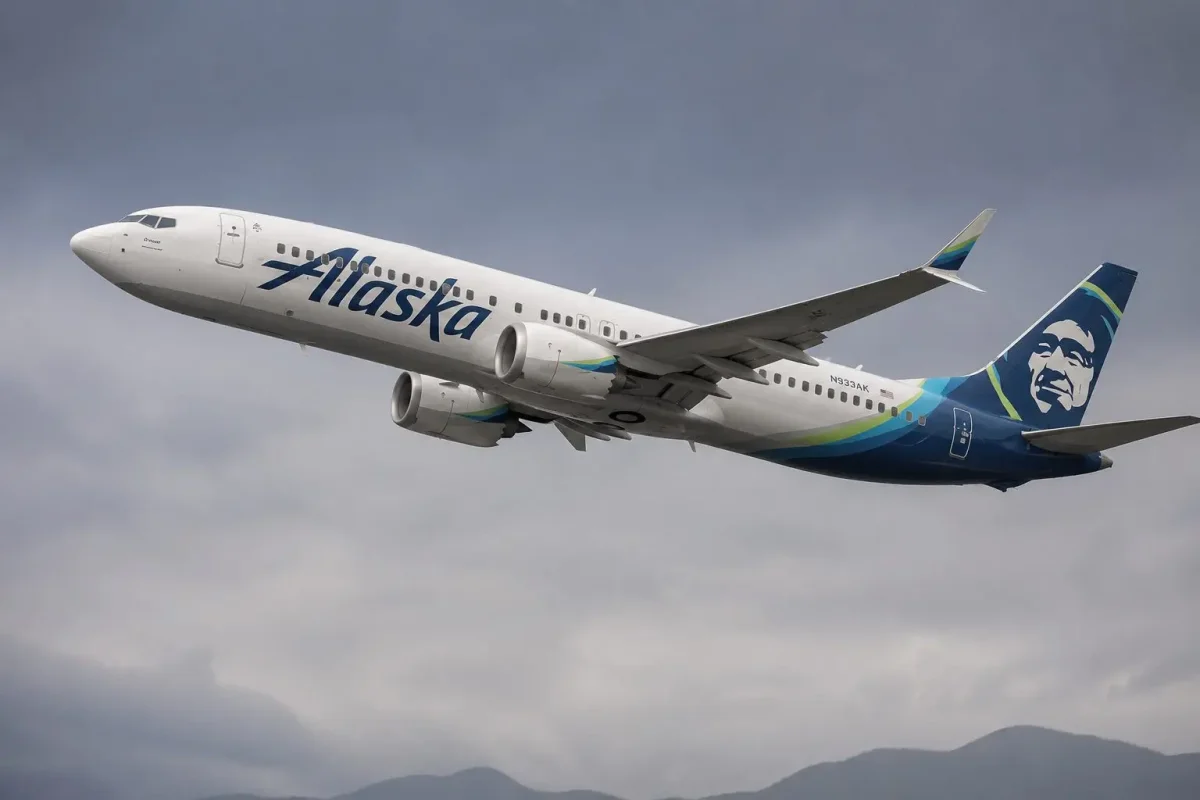
Alaska Air Group (NYSE:ALK) is navigating a critical juncture as it integrates two major acquisitions while phasing out the Virgin America brand. The combined equity value of Virgin America and Hawaiian Airlines has been disclosed at $3.6 billion, representing approximately 68% of Alaska Air's $5.27 billion market capitalization as of Friday. Shares rose 1.4% over the past week, with U.S. stock markets closed on Sunday.
Integration Strategy Under Scrutiny
The retirement of the Virgin America brand aims to streamline operations and reduce costs, but it comes with trade-offs. Alaska is retaining the Hawaiian Airlines brand, operating both on a unified platform. CEO Ben Minicucci described the approach as "multiple brands on a single platform." However, a recent customer service incident highlighted persistent issues with document verification processing, raising concerns about the shared system's reliability.
Alaska stated that U.S. denied-boarding regulations were not relevant in the incident, as the flight was not oversold, limiting regulatory exposure. The company provided $2,230 in compensation and forwarded the issue to its tech teams. While a single incident does not indicate widespread defects, it underscores the risks of system integration.
Financial Metrics and Synergies
The announced equity values were $2.6 billion for Virgin America and $1.0 billion for Hawaiian Airlines, with run-rate synergies projected at $225 million per year and at least $235 million, respectively. Hawaiian's total transaction value was $1.9 billion, including $0.9 billion in net debt. Despite Virgin's brand phase-out, a UK court has maintained minimum royalty payments of about $8 million annually until 2039, a minor but long-term obligation relative to quarterly revenue of $4.1 billion.
Revenue Growth Amid Fuel Headwinds
Second-quarter revenue climbed 10%, with unit revenue up 8.6%. Premium revenue rose 15%, managed corporate revenue increased 30%, and loyalty cash remuneration grew 19%, all outpacing a 1% capacity expansion. However, an additional $600 million in fuel costs led to an adjusted loss of $102 million. Alaska managed to recoup only a small portion of its fuel hike, compared to Delta's 60% recovery, United's 50%, and American's near-half recoupment.
CFO Ryan St. John noted that a 25-cent change in fuel prices can impact quarterly EPS by roughly 50 cents, emphasizing the uncertainty. Fuel remains the primary short-term factor, with investors closely monitoring jet fuel prices this week.
Outlook and Risks
Bookings for September and October remain robust, but full-year forecasts are on hold. Key risks include fuel price volatility, a two-to-three-point drag on unit revenue in Hawaii, integration expenses, and potential technology mishaps that could delay margin recovery. A smooth operational week would shift focus to fuel valuations, while further document setbacks would again highlight shared platform vulnerabilities.
Alaska ended Friday's session at $46.13, up 3.1% on the day and 1.4% for the week. Investors will monitor fuel costs and any further processing issues as the dual-brand strategy continues to evolve.