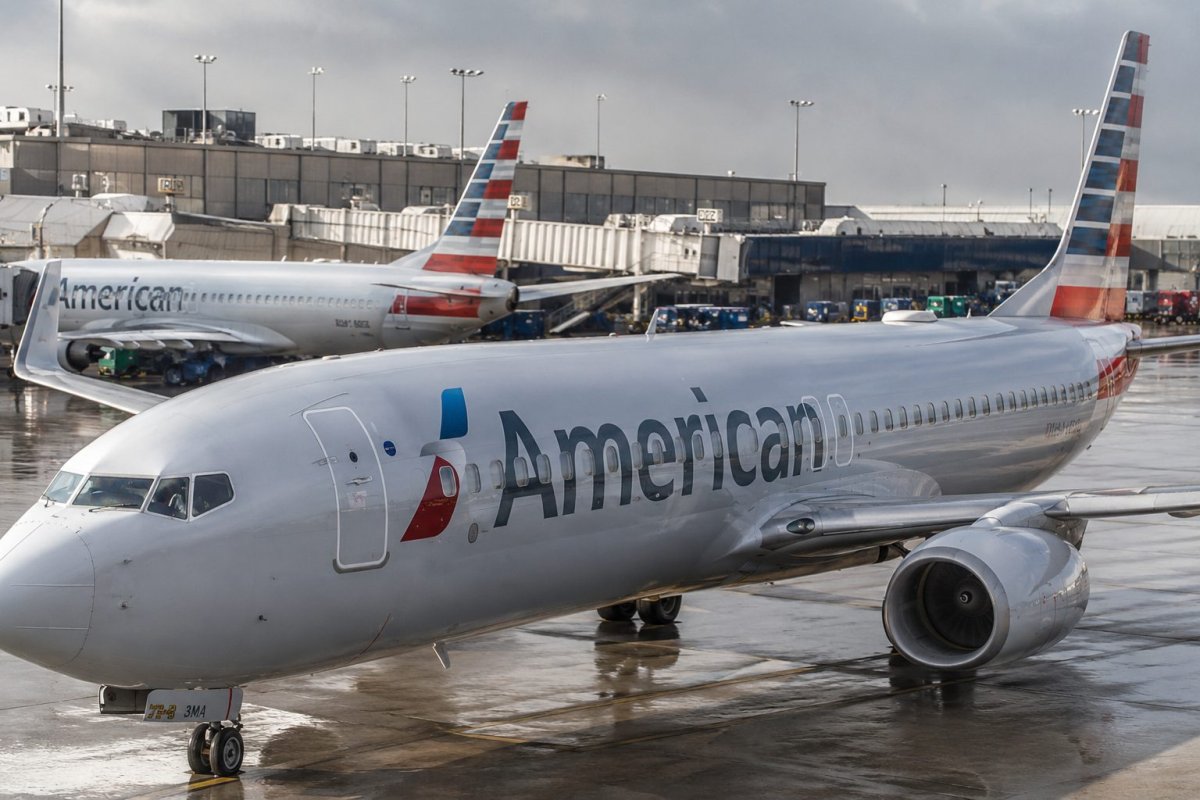
American Airlines Group Inc (NASDAQ: AAL) experienced a significant surge in pre-market trading, with shares climbing 8.05% to $17.44. This rally places the stock approximately 10% above the average 12-month price target of $15.90 set by analysts tracked by FactSet. The catalyst? A sharp decline in jet fuel prices that has reshaped the airline's cost outlook.
Fuel Price Plunge Drives Optimism
According to data from Argus, the U.S. jet fuel index stood at $2.83 per gallon on June 24. This figure is remarkably close to the $2.75 per gallon that American Airlines paid on average during the first quarter of 2026. More importantly, it sits far below the $4 per gallon assumption embedded in the company's second-quarter guidance, suggesting substantial cost savings are on the horizon.
American Airlines burned approximately 1.066 billion gallons of fuel in the first quarter, with jet fuel and related taxes totaling $2.93 billion—representing about 21% of its operating costs. The company's sensitivity analysis indicates that every 10-cent change in fuel prices impacts quarterly pretax costs by roughly $107 million, or about 16 cents per share. At current burn rates, the gap between the $2.83 spot price and the $4 guidance assumption could translate into pretax savings of approximately $1.25 billion for the quarter, though this does not account for timing differences, airport-specific factors, or actual flying patterns.
Market Reaction and Analyst Perspectives
The broader airline sector has also benefited from the fuel price decline. The S&P 500 Passenger Airlines index reached a record high on Wednesday, rising nearly 13% since June 12, while the broader S&P 500 index fell 0.5% over the same period. Morningstar analyst Nicolas Owens noted that airline profits can move inversely to fuel prices, as many tickets are already sold. Michael Ashley Schulman of Cerity Partners commented, "The drop in oil prices is part of the story."
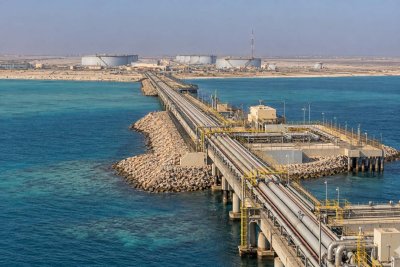
Oil prices continued to edge lower early Thursday, with Brent crude for August delivery slipping to $72.68 per barrel and U.S. West Texas Intermediate trading at $69.58. The decline comes as additional Middle Eastern barrels enter the market and tanker flows through the Strait of Hormuz increase.
Debt Concerns Persist
Despite the positive fuel news, American Airlines carries a significant debt burden. The company ended the first quarter with $34.7 billion in total debt and $27.4 billion in net debt, well above its equity value of approximately $11.5 billion. Analysts note that actual fuel cost savings would flow directly to cash flow and balance sheet health, not just the bottom line. UBS advised clients this week that airline third-quarter earnings per share could exceed Wall Street estimates if fuel prices continue to ease.
The stock's recent surge has pushed it above the average analyst target, raising questions about whether earnings estimates can catch up. American Airlines shares now trade near their 52-week high of $17.47, with a market capitalization of approximately $11.5 billion. Investors will be watching closely to see if the fuel tailwind can sustain the momentum and whether the company can manage its debt load while capitalizing on lower operating costs.