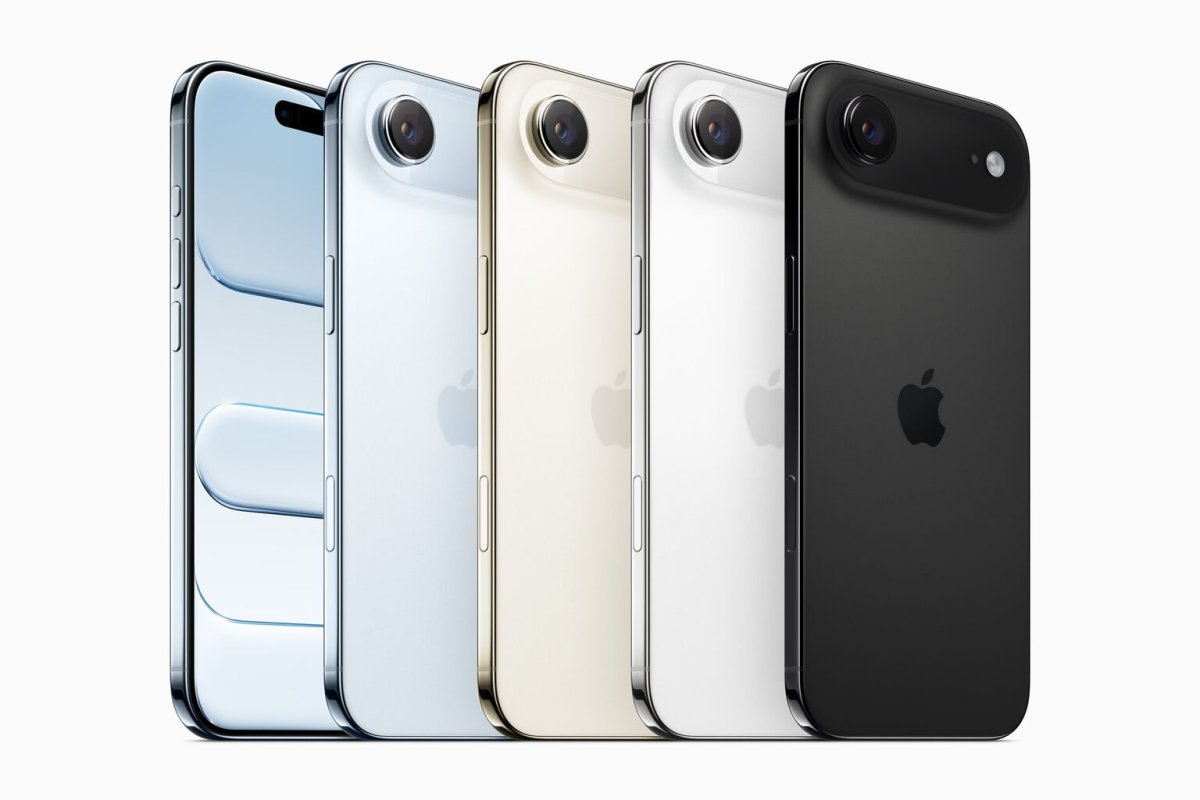
Apple surprised investors on Wednesday by not unveiling an iPhone Air 2. Instead, the company kept the year-old iPhone Air in its U.S. lineup and raised prices across all storage configurations. The 256GB model now sells for $1,099, a $100 increase from its launch price of $999. The 512GB and 1TB versions jumped to $1,299 and $1,699, respectively, representing increases of 8.3% and 21.4%.
The move is a clear margin-defense strategy. Apple is asking customers to absorb higher component costs without offering any hardware improvements. The device retains the same A19 Pro chip, 6.5-inch display, 48-megapixel single camera, and ultra-thin titanium body as the original. This pricing decision comes as Apple faces rising memory and other component costs, as detailed in its latest 10-Q filing, which noted that higher costs partially offset product mix improvements and tariff refunds.
Investors have taken the news in stride. AAPL shares closed at $315.34, down 0.28%, but rose 0.69% in after-hours trading to $317.51. The modest post-market gain reflects the overall product event, which included the launch of the iPhone 18 Pro and the foldable iPhone Duo, rather than a direct endorsement of the Air pricing strategy.
The price hike is part of a broader repricing. Apple also increased the starting prices of the iPhone 16, iPhone 17e, and iPhone 17 by $100 each—an unusual move for older models that typically become cheaper after a new launch. This suggests Apple is testing its pricing power across the board, betting that brand loyalty and carrier subsidies will keep demand strong.
The Air now occupies a precarious price position. The 256GB model costs $200 more than the iPhone 17 (starting at $899) and only $100 less than the new iPhone 18 Pro (starting at $1,199). This narrow gap may push some consumers toward the Pro, improving Apple's product mix, while others may trade down to the iPhone 17 to save $200. Either way, the Air's standalone appeal as a niche, ultra-thin device is being tested.
The 1TB model's price of $1,699 is particularly striking. It now costs $300 more than at launch and sits just $300 below the 256GB iPhone Duo. While storage capacities differ, this comparison highlights how far Apple has pushed a non-refreshed phone into premium territory.
The bullish case is that the Air's unique form factor will sustain demand, and carrier financing and trade-in offers will soften the visible price increase. Apple's installed base reached a record in the June quarter, and iPhone revenue surged 22% to $54.25 billion, suggesting that premium pricing has not yet deterred upgrades. However, Apple does not disclose unit sales by model, making it difficult to gauge the Air's contribution.
The key tests will come in the holiday quarter. Investors should watch iPhone revenue, product gross margins excluding one-time tariff effects, carrier promotions, and Air delivery times. Strong margins with stable availability would indicate successful cost pass-through, while early discounting or short lead times would suggest otherwise.
For now, this decision is less a vote of confidence in new Air technology than a direct experiment in brand elasticity. Apple is charging more for the same phone, and the market will soon see if consumers value thinness enough to pay the premium.