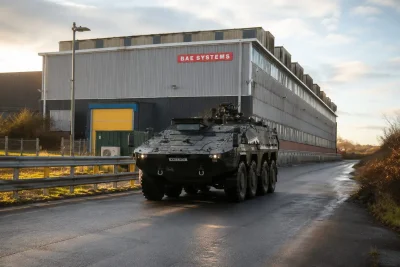
BAE Systems plc continued its share repurchase program on March 4, acquiring 97,895 ordinary shares at a volume-weighted average price of 2,237.12 pence. The defense contractor intends to cancel these shares, reducing the total number in circulation. This transaction represents the latest installment in an ongoing initiative that has seen the company buy back 18.3 million shares under the current tranche.
Three-Year Buyback Program Progress
The repurchases are part of a broader three-year, £1.5 billion share buyback program announced in 2023. The company engaged Morgan Stanley in July 2025 to execute on-market purchases of up to £500 million for this second tranche, which is scheduled for completion by June 30, 2026. All shares acquired through this program are designated for cancellation, which typically enhances earnings per share by reducing the share count.
BAE has been active in the market with consistent repurchases, having bought 99,135 shares just one day earlier on March 3 at an average price of 2,209.12 pence. The company's shares closed at £22.69 on Wednesday, representing a 2.21% gain and placing them just 0.87% below their 52-week peak. Trading volume reached 6.6 million shares, indicating substantial investor interest.
Strong Financial Performance Drives Confidence
The buyback activity coincides with robust financial results reported by BAE Systems in February. The company posted a 12% increase in full-year operating profit, exceeding analyst expectations. More significantly, BAE revealed its order backlog had swelled to a record £83.6 billion, providing substantial revenue visibility for coming years.
Looking forward, management has established ambitious growth targets, projecting sales expansion of 7% to 9% and operating profit growth between 9% and 11% by 2026. Chief Executive Charles Woodburn characterized the current environment as a "new era" for defense spending, suggesting structural shifts in global security priorities are driving sustained demand.
Market Context: Geopolitical Tensions and Sector Dynamics
The defense sector has experienced heightened investor attention amid ongoing geopolitical conflicts, particularly in the Middle East. European markets have exhibited volatility tied to concerns that prolonged hostilities could sustain elevated oil prices and inflationary pressures. Some analysts have noted that any potential ceasefire appears remote in the near term.
Kathleen Brooks, research director at XTB, observed that "the merest whiff that a resolution to the conflict is on the cards is helping European stocks rebound," highlighting the market's sensitivity to geopolitical developments. Defense stocks have generally benefited from increased government spending commitments, though some caution that fiscal constraints or de-escalation could moderate the sector's momentum.
Industry-Wide Demand Trends
BAE Systems is not alone in experiencing strong demand. French defense and aerospace conglomerate Thales has noted increased appetite for air-defense equipment, with CEO Patrice Caine specifically referencing the Gulf conflict and remarking that "nobody knows today how it will evolve." Thales supplies critical radar and related systems that are in growing demand globally.
The broader defense sector appears to be entering a period of sustained investment as multiple nations reassess their security postures and modernize military capabilities. This trend supports not only revenue growth but also provides the cash flow stability that enables substantial shareholder return programs like BAE's buyback initiative.
Strategic Implications of Share Repurchases
Share buybacks serve multiple strategic purposes for companies like BAE Systems. Beyond the mechanical effect of boosting earnings per share through share count reduction, they signal management's confidence in the company's financial health and future prospects. By returning excess capital to shareholders, BAE communicates that it generates more cash than required for immediate investment opportunities while maintaining a strong balance sheet.
However, analysts note that buybacks alone do not drive stock performance indefinitely. The defense sector's rally remains contingent on continued geopolitical tensions and government spending commitments. Should Middle East conflicts de-escalate or budgetary pressures delay procurement programs, the sector's upward trajectory could face headwinds despite ongoing shareholder return initiatives.
BAE Systems' consistent repurchase activity, combined with its record backlog and double-digit profit growth, positions the company favorably within the defense sector. As global security concerns persist, investors appear to be rewarding companies with clear visibility on future earnings and disciplined capital allocation strategies.