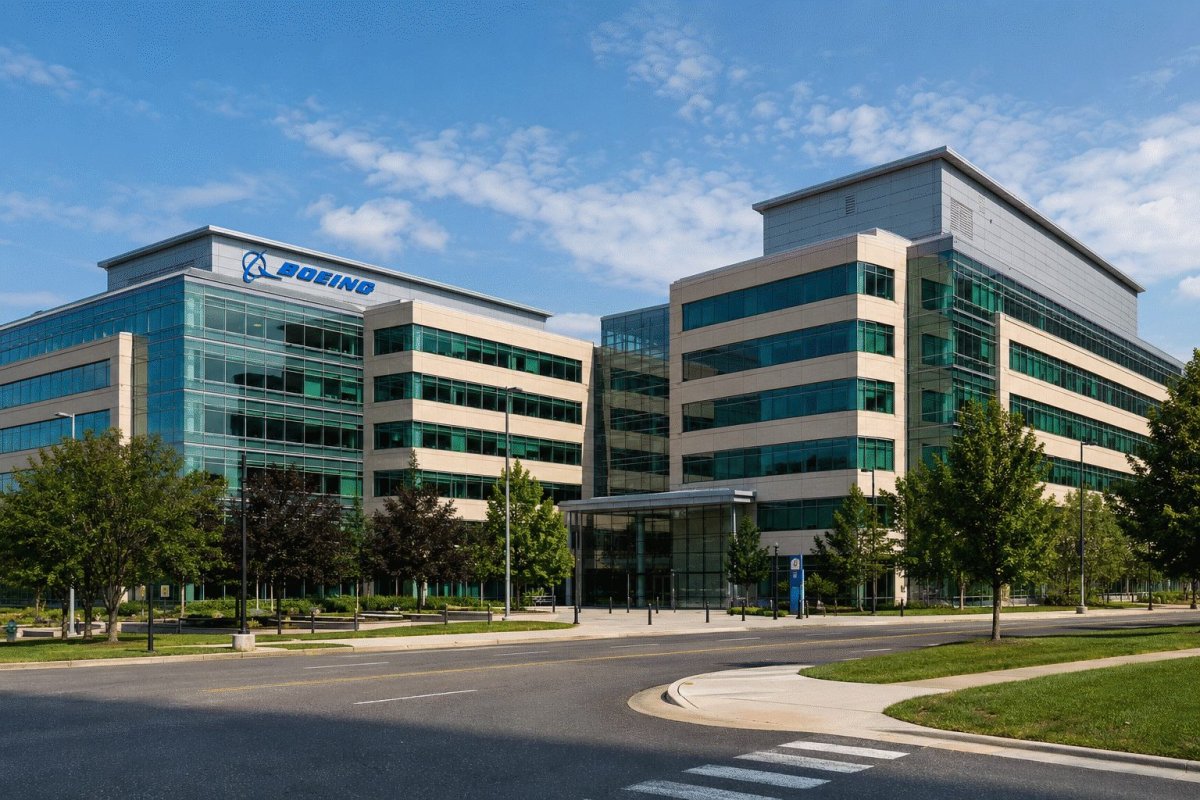
Boeing's stock (NYSE: BA) edged lower on Wednesday, closing at $222.01, a 0.47% decline from the previous session's $223.06. The modest drop came as a new Netflix documentary, Freefall: A Reckoning for Boeing, began streaming, reigniting public and investor scrutiny over the company's safety culture and whistleblower handling. However, trading volume was notably subdued, coming in at just 79% of its typical daily average, suggesting that the market's reaction was restrained.
The documentary, directed by Rory Kennedy, extends her earlier investigation into Boeing's practices, featuring new testimony from company insiders. It focuses on allegations regarding corporate culture, supervisory oversight, and responses to safety alerts. Boeing has pushed back, stating that several claims remain "unfounded" and that certain issues have already been resolved or are being addressed. Investors are now weighing these reputational concerns against signs of operational improvement.
Despite the negative publicity, Boeing's financial fundamentals remain strong. The company's backlog reached a record $715 billion at the end of June, underscoring robust demand for its commercial aircraft. In the second quarter, revenue rose 8% to $24.56 billion, while free cash flow turned positive at $631 million, reversing a $200 million outflow in the same period last year. Commercial aircraft deliveries increased 14% to 171 units, and operating cash flow surged 501% to $1.36 billion.
The regulatory environment has also become more favorable. In July, the Federal Aviation Administration (FAA) reinstated Boeing's authority to issue airworthiness certificates for the 737 MAX and 787 models, a key step in normalizing operations. However, the FAA continues to maintain increased oversight, and compliance risks remain. CEO Kelly Ortberg noted that operations have become "more stable" and that major certification programs are progressing on schedule.
The market's muted reaction to the documentary suggests that investors are focusing on tangible operational metrics rather than reputation alone. Boeing's $715 billion order book is roughly 860 times larger than the $0.83 billion decline in market value seen on Wednesday, indicating that the selloff was more about management risk than a drop in demand. Wall Street remains largely bullish, with 22 of 28 analysts rating the stock a "buy" and a consensus price target of $274.85, implying about 23.8% upside from current levels.
Still, risks persist. Boeing's commercial airplanes segment continues to post losses, and the company carries $45.9 billion in debt. Any new regulatory setback, production disruption, or certification delay could quickly widen the valuation gap. Investors are closely monitoring delivery speed, cash conversion, and certification milestones to gauge whether the documentary's impact will fade or escalate.
As the next phase unfolds, the market will be watching to see if Boeing can maintain its operational momentum while addressing the concerns raised in the film. If the company continues to meet its targets, the documentary may be viewed as a temporary trust discount rather than a fundamental threat to its record backlog.