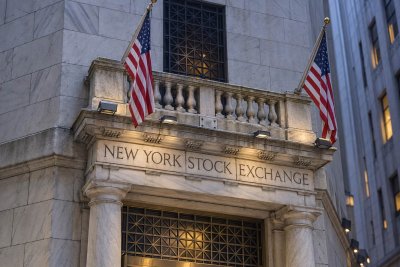
The U.S. financial sector enters a crucial week as the Federal Reserve prepares to release its annual stress test results for 32 major lenders on Wednesday at 4 p.m. EDT. This comes after a volatile period for bank stocks, which saw modest gains last week but lagged the broader market.
The Financial Select Sector SPDR (XLF) edged up 0.4% last week, trailing the S&P 500's 0.9% rise. Regional banks underperformed, with the KBW Nasdaq Regional Banking Index falling about 2.2%. Markets were closed Friday for the Juneteenth holiday.
The Fed held its benchmark interest rate steady at 3.50%-3.75% last week, but fresh projections from policymakers signaled a potential rate hike before year-end. This hawkish tilt weighed on financial stocks, particularly regional banks, as higher rates can pressure loan demand and credit quality.
While banks may benefit from higher net interest margins when rates remain elevated, the environment also poses risks. Higher rates can dampen loan demand, reduce the value of bond holdings, and increase credit losses. The Fed now projects median inflation at 3.6% for 2026 and core inflation at 3.3%.
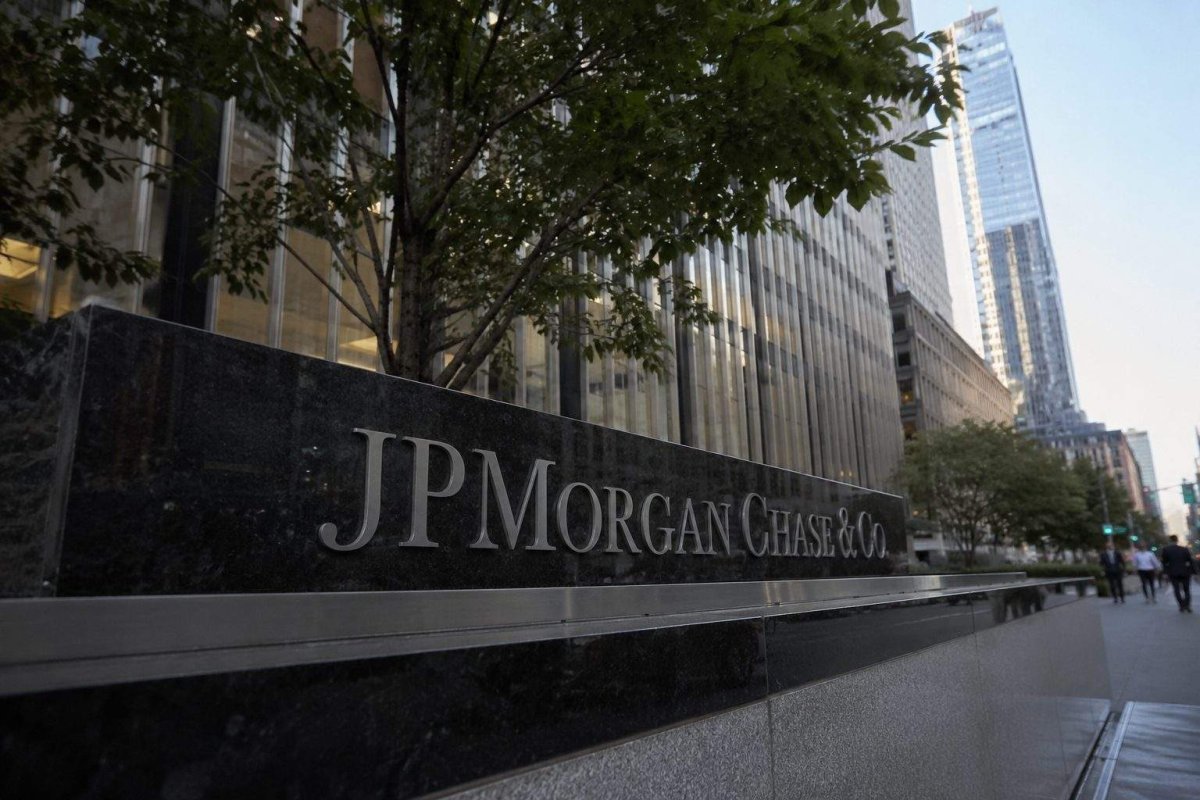
Large banks with significant trading and advisory revenue outperformed last week. Goldman Sachs (GS) rose about 3.2%, while JPMorgan Chase (JPM) gained 1.4%. Bank of America (BAC) ticked up just 0.3%. Goldman Sachs reported advising on over $1 trillion in announced M&A in the first half, a record, and remains ahead of JPMorgan in investment banking fees.
Consumer credit remains a concern. JPMorgan's consumer-banking head Marianne Lake noted the bank is "very, very watchful" as some household wages lag inflation and pandemic-era savings have largely been depleted.
The Fed's stress test models a severe global recession with unemployment hitting 10%, a 30% drop in home prices, and a 39% decline in commercial property values. Banks' stress capital buffers will remain unchanged through at least 2027, but stocks could react if the tests reveal larger-than-expected potential losses.
Jefferies (JEF) will report quarterly earnings after Wednesday's close, providing an early look at trading and investment banking revenue. May new-home sales data is also due Wednesday. On Thursday, investors will watch the PCE inflation report, durable goods orders, and the final Q1 GDP estimate.
A stronger-than-expected inflation print could push Treasury yields higher and increase bets on a Fed rate hike. While that might widen lending spreads temporarily, sustained higher yields could hurt loan demand and household credit quality. The sector also faces downside risk if stress test losses are large or if Jefferies' outlook disappoints.