In a historic move, the International Telecommunication Union (ITU) member states have formally adopted the first-ever resolution dedicated to lunar exploration at its top policy-making conference in Doha. The decision, made on November 26, 2026, paves the way for coordinated efforts to secure radio frequencies essential for communication between spacecraft, equipment, and lunar orbiters.
The resolution encourages governments to share technical data and participate in ongoing studies aimed at defining the radio spectrum needs for lunar missions. According to the ITU, ten countries have already submitted frequency filings for projects on or near the Moon, signaling a surge in lunar activity from both public space agencies and private enterprises.
While this resolution marks a significant policy milestone, any actual changes to international frequency allocations will be decided later at the World Radiocommunication Conference (WRC-27), scheduled for October 18 to November 12, 2027, in Shanghai. Delegates will review the technical studies and consider new or revised allocations for lunar communication links under agenda item 1.15.
Technical Studies Underway
The groundwork for these studies began at the 2023 World Radiocommunication Conference under Resolution 680. Engineers are currently evaluating which frequency bands could support lunar traffic, while ensuring that these signals do not interfere with radio astronomy and scientific sensors. The study mandate restricts three lower frequency ranges—390–406.1 MHz, 420–430 MHz, and 440–450 MHz—to areas outside the Moon's shielded zone, where the Moon blocks radio signals from Earth.
Additional bands under consideration include 2,400–2,690 MHz, 8,450–8,500 MHz, and 25.25–28.35 GHz, which could be used for various lunar communication links. These frequencies are critical for future missions, including those targeting the far side of the Moon, where direct communication with Earth is impossible.
Key Missions Highlight the Need
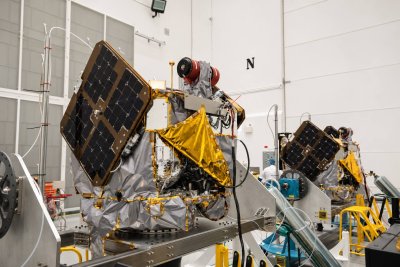
The European Space Agency (ESA) plans to deploy a lunar relay satellite, Lunar Pathfinder, to provide communication coverage for missions in these challenging areas. One of its first users will be LuSEE-Night, a radio astronomy experiment designed to listen for faint signals from the early universe on the far side of the Moon. These missions underscore the dual challenge of ensuring reliable communication links while protecting sensitive scientific observations.
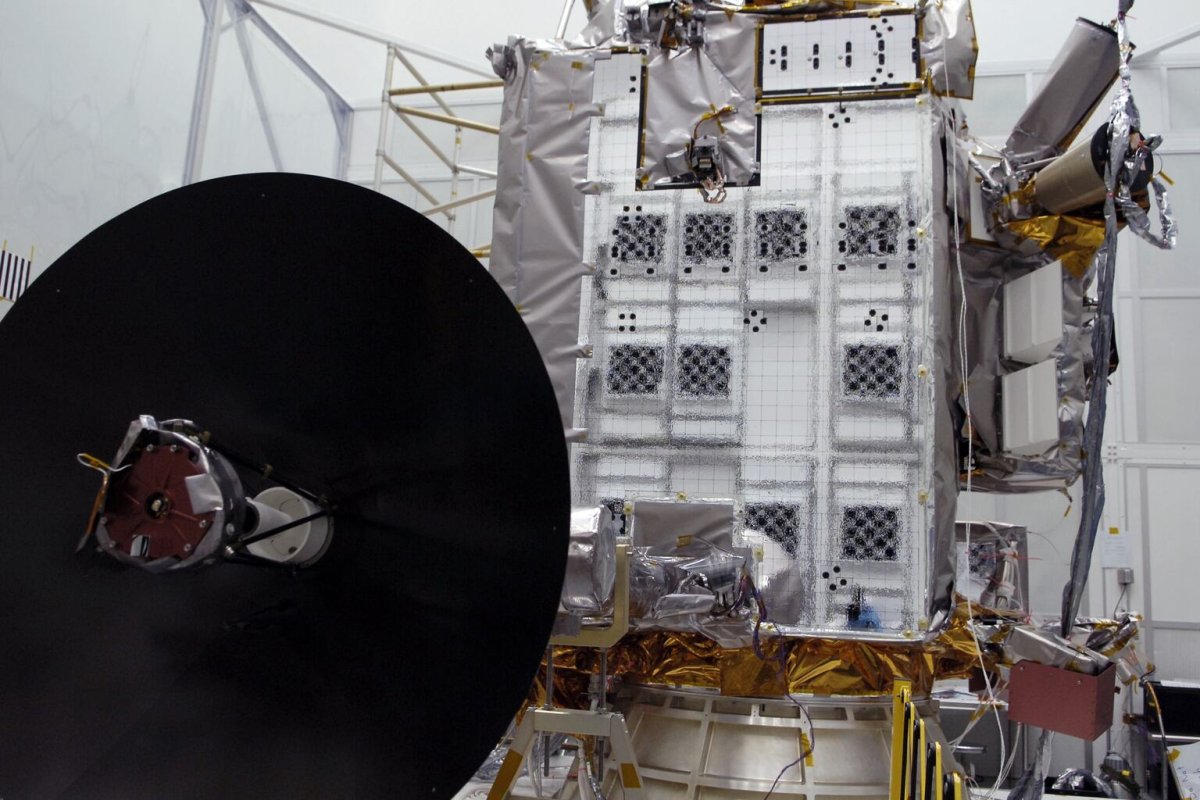
Existing lunar spacecraft, such as NASA's Lunar Reconnaissance Orbiter, already use S-band and Ka-band frequencies to communicate with Earth, demonstrating the growing demand for spectrum resources as lunar exploration expands.
Market and Industry Implications
The adoption of this resolution is a positive signal for the growing space economy, which includes companies involved in satellite communications, lunar logistics, and space exploration technologies. As more countries and private firms plan lunar missions, the need for clear spectrum regulations becomes paramount. This move by the ITU is expected to facilitate investment and innovation in the sector.
Industry stakeholders, including satellite operators and aerospace manufacturers, will be closely monitoring the outcomes of the technical studies and the decisions at WRC-27. The allocation of additional spectrum for lunar use could open new opportunities for communication services, data relay, and scientific research.
Looking Ahead to WRC-27
The next World Radiocommunication Conference in Shanghai will be a pivotal moment for lunar spectrum allocation. Delegates will need to balance the interests of scientific communities, commercial operators, and national security concerns. The ITU's proactive approach in adopting this resolution early signals a commitment to orderly and equitable use of the radio spectrum as humanity ventures further into space.
With the rapid pace of lunar exploration, including planned crewed missions and permanent habitats, the decisions made at WRC-27 will have long-lasting implications for the future of space communications. The global community is watching closely as these efforts unfold.