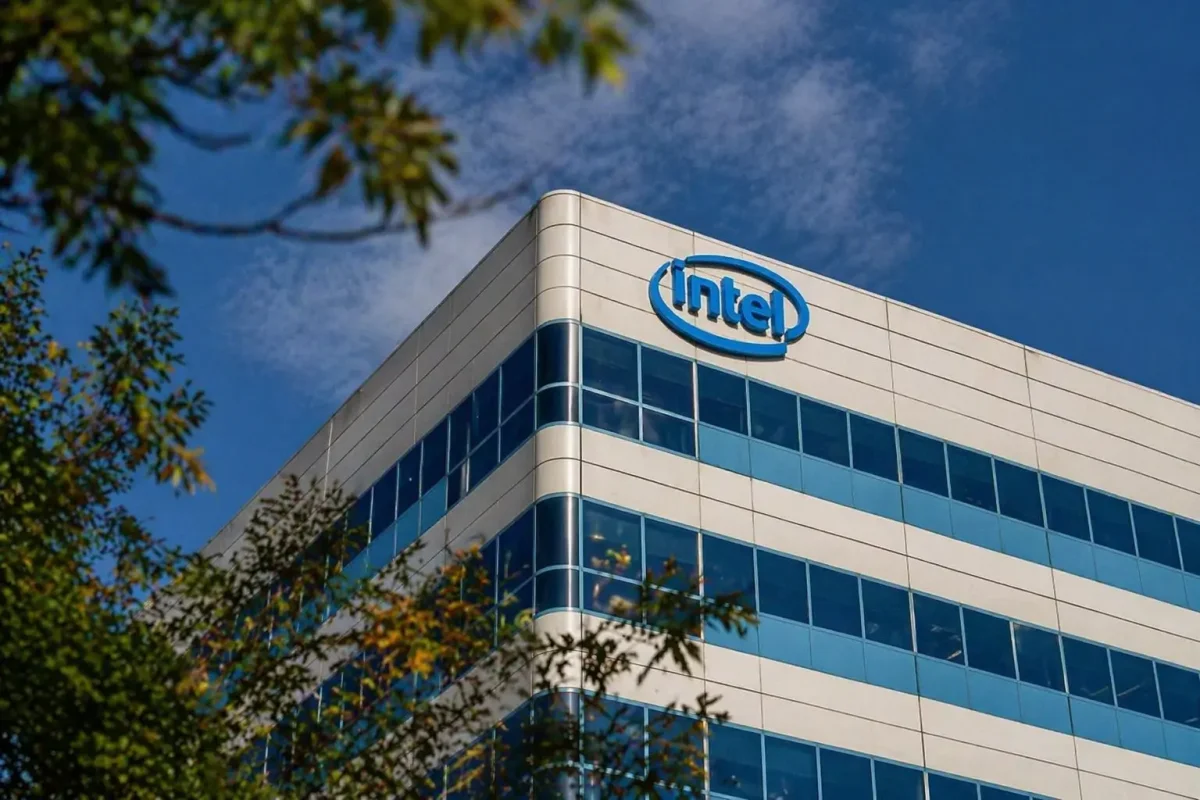
Intel Corporation's stock achieved a significant milestone in Friday's trading session, reaching its highest intraday price since the year 2000. Shares briefly touched $70.32 before moderating to approximately $68.75 in the early afternoon, reflecting a powerful rally built on investor optimism for a corporate resurgence.
The AI Expansion Beyond Accelerators
The surge coincides with a broadening focus within the artificial intelligence sector. Industry analysis indicates a shift from merely training AI models to deploying them at scale, a transition that increases demand for the central processing units (CPUs) that power server infrastructure. These chips are essential for handling real-world AI application requests, positioning Intel's core products at the heart of the next phase of AI adoption.
A Series of Strategic Catalysts
Several recent announcements have fueled the upward momentum. On April 9, Intel solidified an AI infrastructure collaboration with Google. Earlier, on April 7, the company joined Elon Musk's Terafab chip manufacturing initiative. Perhaps most significantly, Intel executed a $14.2 billion transaction on April 1 to repurchase Apollo Global Management's 49% stake in Fab 34, its advanced manufacturing facility in Ireland.
Commenting on the strategic direction, Intel CEO Lip-Bu Tan recently emphasized that "scaling AI requires more than accelerators." This sentiment was echoed as Intel and Google expanded their work on Xeon processors and custom infrastructure chips. Analyst Gil Luria of D.A. Davidson pointed to the partnership with Tesla as a demonstration of Intel's capability to execute on high-profile client projects, labeling it an "important step" in the company's ongoing restructuring.
Analyst Sentiment and Market Performance
According to recent reports, Mizuho and Bernstein analysts raised their price targets and earnings estimates for Intel this week, though both maintained neutral ratings on the stock. Intel closed Thursday's session at $68.50, marking its highest closing price since September 2000. The performance puts April on track to be Intel's best month since 1974, with its one-month rally outpacing those of key rivals Advanced Micro Devices and Nvidia.
The Upcoming Earnings Crucible
The rally now approaches a pivotal moment with the scheduled release of first-quarter financial results after the market closes on April 23. This report will provide critical evidence on whether recent strategic moves are translating into tangible improvements in sales, pricing power, and profit margins.
However, analysts caution that challenges persist. Bernstein's Stacy Rasgon warned MarketWatch to anticipate a "messy quarter for Intel," citing persistent weakness in personal computer demand and the impact of higher memory chip costs. Competitive pressure from AMD and Nvidia remains intense. Furthermore, the company's foundry business reported a substantial operating loss of $10.32 billion for the 2025 fiscal year, a significant headwind.
Financial Positioning and Forward Outlook
Intel management has expressed confidence in its improving financial foundation. Following the Ireland transaction, Chief Financial Officer David Zinsner highlighted a "stronger balance sheet." The company projects the Fab 34 buyback will enhance both profitability and credit metrics beginning in 2027. This move proceeds alongside the continued development of Intel's 18A next-generation manufacturing node, which the company promotes as a technology potentially licensable to external customers.
Currently, the market is placing a substantial bet that Intel's promised comeback will materialize. As shares hover near dot-com boom levels, the April 23 earnings release will serve as a definitive verdict, either validating the current optimism or challenging the narrative of a sustainable turnaround.